October 13, 2026
Prenatal Stress and Breastfeeding: What Helps
New research shows high stress during pregnancy can lower your breastfeeding confidence. Here's how to protect your feeding goals before baby arrives.

When I was pregnant with my fourth, my husband had just switched jobs, we were in the middle of a move, and I was trying to keep up with three kids under the age of six. I was stressed. Like, really stressed. And when it came time to breastfeed that baby, I struggled more than I had with my first three — not because of supply issues, but because I walked into those early feeding sessions already feeling defeated.
I remember sitting in the dim light of our bedroom at 3 a.m., baby latched but fussy, and thinking, Why does this feel so much harder this time? It wasn't until years later, after I became a doula and started digging into the research, that I understood the connection. Stress during pregnancy doesn't just make you feel lousy — it can actually chip away at your confidence and your intention to breastfeed before your baby even arrives.
A new cross-sectional study published in PubMed looked at the relationship between perceived stress during pregnancy, breastfeeding self-efficacy (that's your belief in your ability to breastfeed), and breastfeeding intention. The findings? Women with higher perceived stress had lower breastfeeding self-efficacy and weaker intentions to breastfeed. If you're expecting, this matters. A lot.
What Does the Research Say About Stress and Breastfeeding?
The study, which surveyed pregnant women about their stress levels, breastfeeding confidence, and feeding intentions, found a clear pattern. Higher perceived stress was significantly associated with lower breastfeeding self-efficacy. In plain terms? The more stressed you feel during pregnancy, the less confident you feel about your ability to breastfeed.
And here's the part that really caught my attention: stress didn't just affect confidence. It also weakened breastfeeding intention — meaning women with higher stress levels were less likely to plan on breastfeeding at all, or planned to breastfeed for a shorter duration. The researchers noted that this relationship held even when controlling for other factors.
This isn't just an academic observation. I've seen this play out in my doula practice more times than I can count. When a mom walks into her postpartum period already overwhelmed, already doubting herself, breastfeeding becomes one more thing that feels impossible — even if her body is perfectly capable of doing it.
The study's practice takeaway was clear: providers should screen for prenatal stress and integrate stress-reduction support into prenatal lactation planning. That's a fancy way of saying we need to ask pregnant moms how they're doing — really doing — and then actually help them manage the load before baby comes.
How Does Prenatal Stress Lower Your Breastfeeding Confidence?
Let's break this down, because the connection between stress and breastfeeding might not be obvious at first. When you're stressed during pregnancy, your body is in a constant state of elevated cortisol. That fight-or-flight response doesn't just affect your mood — it affects how you think about yourself and your capabilities.
Breastfeeding self-efficacy is essentially your belief that you can do this. It's the inner voice that says, "I can figure out this latch," or "My body knows what to do." When stress is high, that voice gets quieter. Doubt creeps in. You start thinking, "Maybe I won't be able to do this," before you've even tried.
I worked with a client last year — let's call her Sarah — who was delivering at a hospital in Austin, Texas. She was a project manager at a tech company, working right up until 38 weeks because her team was in the middle of a major launch. She told me during our prenatal visits that she "wasn't sure" about breastfeeding and might "just do formula from the start." When I asked why, she couldn't point to a specific reason. She just felt overwhelmed by everything already and couldn't imagine adding something new to her plate.
Sarah's story is exactly what this research describes. Her stress wasn't about breastfeeding itself — it was about everything else. But that stress bled into her confidence about feeding her baby. We talked through it. I connected her with a lactation consultant before delivery, and we built a plan that felt manageable. By the time her baby arrived, she felt ready to try. And you know what? She breastfed for 14 months.
Can Stress Reduction During Pregnancy Improve Breastfeeding Outcomes?
Here's the good news. The research points to stress as a modifiable factor. That means it's something you can change. You don't have to stay stuck in a high-stress state just because that's where you are right now.
The study suggests that when we address stress during pregnancy — through screening, support, and stress-reduction strategies — we may be able to protect and even improve breastfeeding self-efficacy. This is huge. It means that helping you feel calmer and more supported during pregnancy isn't just about your comfort. It could genuinely affect your feeding journey.
What does stress reduction look like in practice? It's not about eliminating all stress — let's be real, you're growing a human, and life doesn't pause for pregnancy. It's about giving you tools to manage the stress you're carrying. That might mean talking to a therapist, practicing mindfulness, getting more sleep (I know, easier said than done), or simply having someone in your corner who listens.
This is one of the reasons I'm such a believer in doula support. When you have a doula working with you during pregnancy, you have someone who checks in on how you're actually feeling. Not just "How's the baby measuring?" but "How are you doing? What's weighing on you?" That kind of support can make a real difference. If you're not sure what a doula does, you can learn more about what a doula is and how we support families.
What Are the Signs You're Carrying Too Much Stress in Pregnancy?
Some stress during pregnancy is normal. You're preparing for a major life change. But there's a difference between everyday worries and the kind of chronic, overwhelming stress that this study identified as problematic for breastfeeding.
Here are some signs that stress might be affecting you more than you realize:
- You're having trouble sleeping, even when you're exhausted
- You feel irritable or on edge most of the time
- You can't stop thinking about everything that needs to get done
- You feel disconnected from your pregnancy or your baby
- You're experiencing frequent headaches, tension, or digestive issues
- You find yourself doubting your ability to handle birth or postpartum
If you're nodding along to several of these, please hear me: this doesn't mean you're failing. It means you're human, and you're carrying a lot. The research tells us that acknowledging this stress and getting support is one of the best things you can do — not just for your mental health, but for your breastfeeding goals too.
Taking care of your body with good nutrition can also help manage stress. Making sure you're getting the right prenatal vitamins is one simple step that supports both your physical and emotional well-being during pregnancy.
How Can Your Birth Team Help You Manage Stress Before Baby Arrives?
Your birth team — your partner, your provider, your doula, your lactation consultant — they all play a role in helping you walk into birth and postpartum feeling supported instead of stretched thin.
First, talk to your provider about your stress levels. The study specifically recommended that providers screen for prenatal stress, but not all providers do this routinely. You might need to bring it up yourself. Say something like, "I've been feeling really overwhelmed lately, and I want to make sure that doesn't affect my postpartum experience." A good provider will take that seriously.
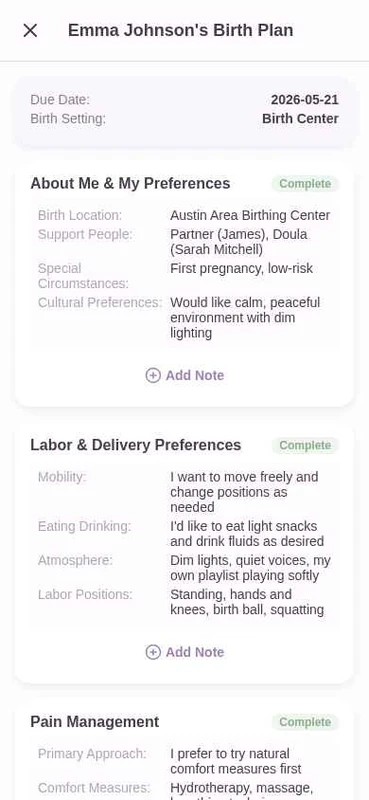
Second, consider building a birth plan that includes your postpartum and feeding preferences. When you've thought through your options ahead of time and communicated them clearly, you reduce decision fatigue in those early postpartum days. Less decision fatigue means less stress. Less stress means more confidence. It all connects.
Third, line up your support team early. Don't wait until after the baby arrives to find a lactation consultant near you. Having that relationship established before delivery means you have someone to call the moment you hit a snag — not three days later when you're already in tears. The same goes for postpartum doula support, which can be invaluable for managing stress after birth.
And if you're worried about the cost of building this support team, you're not alone. Many families don't realize that Medicaid may cover doula services in some states, and some insurance plans cover doula care as well. It's worth checking into.
What Practical Steps Can You Take to Protect Your Breastfeeding Goals?
Let me give you some concrete things you can do right now, while you're still pregnant, to protect your breastfeeding confidence and intentions.
1. Acknowledge your stress. Name it. Say it out loud. "I'm feeling really stressed about this." That simple act of acknowledgment is the first step toward managing it. The research shows that unaddressed stress is what erodes confidence — not stress itself.
2. Build a feeding plan before birth. Talk to your partner about your breastfeeding goals. Discuss what support you'll need. Write it down in your birth plan. When you've thought through your feeding intentions while you're calm and clear-headed, you're less likely to abandon them when stress kicks in postpartum.
3. Connect with a lactation professional prenatally. A prenatal lactation consult can help you understand what to expect, identify any potential challenges (like flat or inverted nipples, previous breast surgery, or medical conditions), and build your confidence before baby arrives. You can find a lactation consultant near you and schedule a prenatal visit.
4. Practice stress-reduction techniques. This doesn't have to be complicated. Five minutes of deep breathing, a daily walk, a warm bath, prayer, meditation — whatever works for you. The goal is to regularly signal to your body that it's safe, that it can come down from high alert.
5. Lean on your doula. If you haven't already, consider finding a doula near you who can provide continuous support through pregnancy, birth, and early postpartum. The research on doula support and birth outcomes is strong, and the emotional support alone can be a buffer against the stress this study describes.
I had another client — let's call her Maria — who was planning a birth center delivery in Portland, Oregon. She was a first-time mom, and her mother had told her repeatedly that "breastfeeding never works in our family." That messaging, combined with a high-stress job in finance, had Maria convinced she'd fail before she started. Her breastfeeding self-efficacy was rock bottom.
During our prenatal visits, we talked through the research. I explained that her mother's experience didn't determine hers. We practiced stress-reduction techniques together. I connected her with a lactation consultant who saw her twice before delivery. By the time Maria went into labor, she told me, "I actually think I can do this." And she did. Her baby latched within the first hour, and she breastfed exclusively for eight months before transitioning to combination feeding on her own terms.
The difference wasn't that Maria's stress disappeared. The difference was that she had support, information, and a plan. She felt seen and prepared.
What This Means for You
If you take one thing from this research, let it be this: your stress matters. Not just for your comfort, but for your breastfeeding journey. The way you feel during pregnancy — the worries you carry, the pressure you're under — can quietly shape your confidence and your feeding plans before your baby is even born.
But here's the thing that gives me hope after reading this study: stress is something we can address. You don't have to white-knuckle your way through pregnancy. You don't have to pretend everything's fine when it isn't. You can ask for help. You can build a team. You can practice managing your stress now, so that when your baby arrives, you walk into breastfeeding feeling capable instead of crushed.
Whether you're planning a home birth, a birth center delivery, or a hospital birth, the support you line up during pregnancy matters. Your postpartum emotional care matters. Your feeding plan matters. And you deserve to have all of those things in place before the chaos of new parenthood begins.
You've got this, mama. And if you need help getting there, that's exactly what we're here for.
Reference:
Associations Among Perceived Stress, Prenatal Breastfeeding Self-Efficacy, and Breastfeeding Intention: A Cross-Sectional Study. PubMed. https://pubmed.ncbi.nlm.nih.gov/42867599/
Written by Shelbi Kohler