October 7, 2026
Warm Pads After Birth: Easier Stitches, Better Nursing
Discover how placing a warm pad on your chest during post-birth stitches can help your milk come in and boost your breastfeeding confidence.
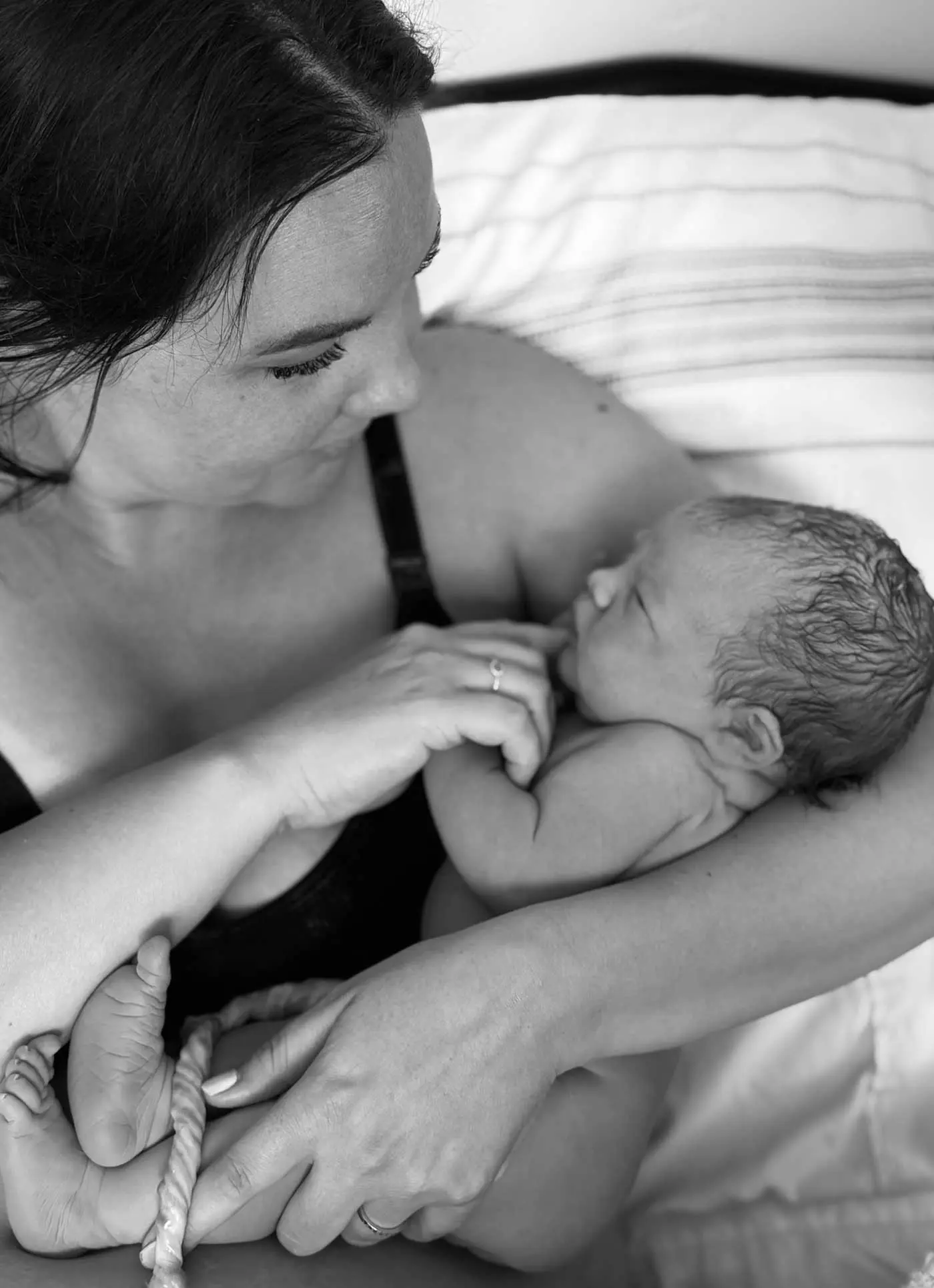
With my third baby, I remember lying on the bed, holding my new little one, but feeling so tense. I had a small tear that needed a few stitches. While my doctor was focused on the repair, my legs were shaking, and I just wanted the whole thing to be over. Have you ever thought about what happens right after your baby is born? We spend so much time preparing for the contractions and the pushing, but sometimes the aftermath catches us off guard.
If you end up needing stitches after birth, it can be a stressful moment. You are exhausted, you are meeting your baby, and suddenly you have to hold still for a repair. But recently, I came across some fascinating research that points to a simple, gentle trick to help you through it. It turns out, placing a warm pad on your chest while you're getting stitches can actually help your milk come in and boost your confidence to breastfeed.
Let's talk about why this works and how you can use this sweet little trick during your own birth.
The Stress of Post-Birth Repairs
First, let's acknowledge something important: getting stitches after birth is no joke. Whether you have an episiotomy or a natural tear, the repair process can take anywhere from a few minutes to over an hour. You might feel vulnerable, exposed, or just plain tired. It is completely normal to feel tense during this time.
When your body is stressed, it produces adrenaline. Adrenaline is great when you need to run away from a bear, but it is not so great when you are trying to start breastfeeding. You see, the hormone we need for milk let-down is oxytocin. Oxytocin is a shy hormone. It flows when you feel safe, warm, and relaxed. When adrenaline spikes, oxytocin takes a backseat. Evidence indicates that high stress levels right after birth can delay your milk production and make it harder for your baby to latch effectively.
I've seen this at births so many times. A mother is holding her baby, but her shoulders are up by her ears because she is anticipating the next stitch. Her body is tight, and her milk just doesn't seem to want to flow. It is a frustrating cycle, because the stress delays the milk, and the lack of milk causes more stress.
What this means for you
If you need stitches after birth, expect to feel a little stressed. It is okay to admit that you are uncomfortable. Knowing that stress can affect your milk means you can plan ahead to bring comfort measures to the repair process. You don't just have to grit your teeth and bear it.
The Magic of Warmth for Your Milk Supply
So, how do we get that shy oxytocin to show up? Warmth. A recent randomized controlled trial found that applying hot pads to the breasts during episiotomy repair positively influenced the amount of breast milk, breastfeeding motivation, and reduced the perception of insufficient milk among postpartum women. This is a big deal!
The study suggests that the gentle warmth helps trigger your milk to flow. When you place a warm compress on your chest, it increases blood flow to the area. This warmth helps relax your muscles and signals to your brain that it is time to let the milk down. It is a non-pharmacological intervention, meaning it is a simple, drug-free way to leverage your body's natural let-down reflex during a stressful procedure.
Think about how good a heating pad feels on a sore back, or how a warm shower relaxes your shoulders. The same principle applies here. The warmth distracts your nervous system from the stress of the stitches and redirects it toward milk production.
What this means for you
Ask your care team or doula if they can place a warm compress on your chest while you're getting any post-birth stitches. It could be a warm rice sock, a hospital-provided warm pack, or even a warm, damp towel. This simple act can help your milk come in while you are busy healing.
Overcoming the "I Don't Have Enough Milk" Worry
One of the biggest hurdles new moms face is the fear that they aren't making enough milk. The study I mentioned earlier found that the warm pads actually reduced the perception of insufficient milk. When moms used the warm pads, they felt more confident in their bodies and more motivated to breastfeed.
I had a client a while back, let's call her Hannah. Hannah was so worried about her milk supply even before she went into labor. She had a longer pushing phase and ended up needing quite a few stitches. When the repair started, I could see her anxiety spiking. I grabbed a warm rice sock from her birth bag and placed it gently on her chest. Within a few minutes, her shoulders dropped. She let out a big sigh. By the time the doctor was finished, Hannah was calm, and we could already see drops of colostrum on her nipple. Because she saw that evidence of milk, her confidence soared. She went on to breastfeed without any of the low-supply anxiety she had been dreading.
What this means for you
Your body knows how to make milk, but sometimes it needs a gentle reminder. Using warmth during a stressful moment can give you visible proof that your milk is coming in. Seeing that first drop of colostrum can completely change your mindset from worry to confidence.
How Your Birth Team Fits In
You don't have to remember all of this on your own. That is what your birth team is for. If you are wondering What Is a Doula?, think of her as your comfort expert. A doula's job is to anticipate your needs and offer tools to keep you comfortable.
The Benefits of a Doula include having someone who knows exactly when to step in with a warm compress. While your midwife or doctor is focused on the medical repair, your doula is focused on you. She can prepare the warm pad, place it on your chest, and help you relax your breathing. She can also help you get baby latched while you are being stitched, if you want to breastfeed right away.
If you are trying to decide who to add to your team, understanding the difference between a Doula vs Midwife is helpful. Your midwife provides your clinical care, while your doula provides the physical and emotional support. You absolutely need both when you are navigating the immediate postpartum period.
What this means for you
Talk to your support team about this trick before you go into labor. Tell your partner or your doula that if you need stitches, you want a warm pad on your chest. Having someone else remember this detail means you can just focus on your baby.
Making This Part of Your Birth Plan
How do you make sure this actually happens on the big day? You write it down. Birth plans aren't just for how you handle contractions. They are also for the immediate postpartum period.
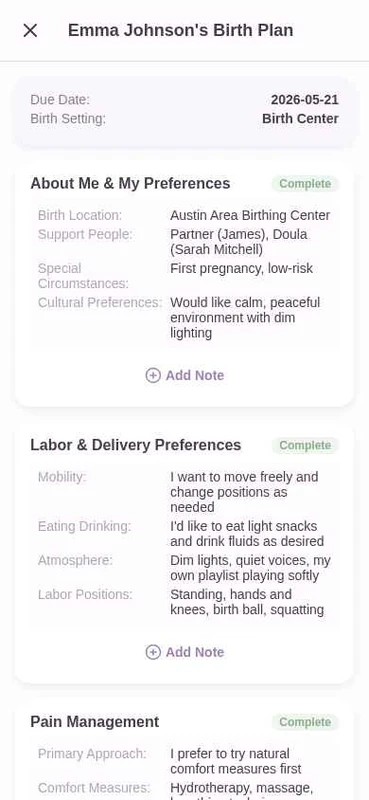
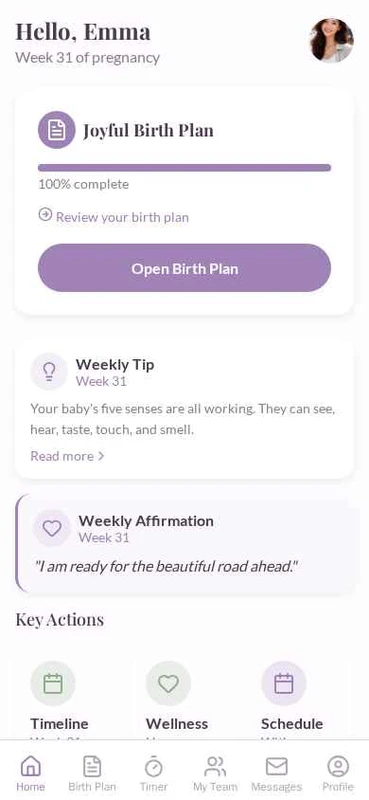
If you use our Free Joyful Birth Plan template, you can add a specific note about postpartum comfort measures. You can write something like, "If I need stitches after birth, please offer a warm compress for my chest to help with milk let-down and relaxation." When it is written on your plan, your care team will see it and know exactly what you want.
I always tell moms that a birth plan is a communication tool, not a rigid script. It opens the door for conversations with your provider. When they see your request for warm pads, it gives them a chance to say, "Yes, we can do that," or "Here is how we usually handle that here."
What this means for you
Don't leave your postpartum comfort to chance. Write down your desire for warm compresses in your birth plan. It takes two minutes to add, and it gives your care team a clear roadmap for supporting your breastfeeding goals right from the start.
Preparing for Postpartum Recovery
The moment your baby is born, the recovery phase begins. Having the right support in place can make all the difference in how you heal and how you feed your baby. If you don't have a doula yet, it is never too late to find one. You can Find a Doula Near You to help you build a plan for your labor and postpartum time.
If you are worried about the expense, check out our Doula Cost Guide. Many doulas offer payment plans, and some insurance plans are starting to cover doula services. Think of it as an investment in your physical and mental recovery. Having someone there to hand you a warm pad and remind you to breathe is worth its weight in gold.
Remember, the postpartum period is a time for gentleness. Your body has just done an incredible amount of work. Whether you are dealing with stitches, a sore perineum, or just the exhaustion of new motherhood, simple comfort measures can go a long way.
What this means for you
Plan for your recovery just as carefully as you plan for your birth. Look into hiring a doula, pack a warm rice sock in your hospital bag, and give yourself permission to ask for comfort when you need it.
Questions to Bring to Your Care Team
As you prepare for your birth, here are a few questions you can ask your doctor or midwife at your next appointment:
- If I need stitches after birth, can we use a warm compress on my chest to help with milk let-down?
- What types of warm compresses do you have available at the hospital or birth center?
- Can I bring my own warm rice sock from home?
- How can my partner or doula help me stay relaxed during perineal repair?
- What are the signs that my milk is coming in, so I know what to look for?
References
Written by Shelbi Kohler