October 7, 2026
Planning a Home Birth: What Research Tells Us
Wondering if a home birth is right for you? Discover what recent research from Sweden says about autonomy, support, and feeling respected in birth.

Have you ever thought about having your baby at home? With my third baby, I remember sitting on my couch, huge and uncomfortable, wondering if I should just stay right there when the time came instead of driving to the hospital. The idea of laboring in my own space, surrounded by my own things, felt so right. But I also had a million questions and a lot of anxiety about stepping outside the norm.
As a certified birth doula and a mom of seven, I've seen a lot of different birth scenarios. I've supported mamas in bright hospitals, quiet birth centers, and busy living rooms. Every space has its own rhythm and its own challenges. But one thing remains true no matter where you are: you need to feel safe, respected, and in control of what happens to your body.
Recently, I was reading a fascinating study out of Sweden about women who planned home births. The researchers looked at online stories from moms to understand what their experiences were really like. The findings really resonated with me, and I think they will for you, too, whether you're planning a home birth or just trying to figure out how to have a more empowered hospital birth.
The Deep Sense of Control in Your Own Space
When you picture your ideal birth, what does it look like? Are the lights dim? Do you have your own music playing? Are the people around you people you actually invited into the room? Research suggests that mamas who plan a home birth often feel a deep sense of control and happiness with their experience. The Swedish study found that women choosing home birth reported high satisfaction and a strong sense of autonomy. They felt like the decision-makers in their own care.
Autonomy is just a fancy word for calling the shots. When you give birth at home, you are already in your environment. You don't have to ask permission to eat a snack, get in your own tub, or change positions on your own bed. You are the host of the party, so to speak. You set the rules for your space.
Evidence indicates that this feeling of control plays a huge role in how you remember your birth. Even if things don't go exactly as planned, knowing that you were the one making the choices can leave you feeling proud and satisfied. If you're wondering how a support person fits into this, understanding What Is a Doula? can help you see how we work to protect your space and your choices, no matter where you are.
What this means for you: Think about what makes you feel relaxed and in control right now. How can you bring those elements into your birth space? Whether you are at home or in a hospital, you have the right to make choices about your body and your care.
When the System Pushes Back
Choosing a home birth isn't always an easy road. The Swedish study highlighted that while women felt great about their actual births, they frequently dealt with systemic challenges and a lack of institutional support. Evidence indicates that these mamas often faced pushback from the medical system just for wanting to birth at home.
I saw this happen with a client I'll call Sarah. She was a first-time mom who really wanted a home birth. When she brought it up at her prenatal appointments, her doctor was dismissive and made her feel like she was being reckless. Sarah felt judged and small. She ended up switching care providers late in her pregnancy just to find someone who would respect her wishes. It was stressful, but she knew she couldn't birth peacefully with someone who didn't trust her.
It just goes to show how much it matters to feel respected and supported in whatever birth space you choose. You shouldn't have to fight your care team to have the birth you want. If you're trying to figure out who should be on your team, reading up on the differences in a Doula vs Midwife guide can clarify who does what. A midwife provides your medical care, while a doula provides continuous emotional and physical support.
What this means for you: If your current provider makes you feel guilty or anxious about your birth choices, it's okay to look for a new one. You need a care team that listens to you without judgment.
Feeling Safe vs. Being "Safe"
Safety is usually the first thing people bring up when you mention home birth. "Is it safe?" is a question I hear all the time. The Swedish study found that for the women choosing home birth, feeling safe was deeply connected to their environment and the people around them. The qualitative findings emphasize the importance of respecting client choice and providing non-judgmental care in out-of-hospital settings.
When a mama feels physically and emotionally safe, her body relaxes. When her body relaxes, labor often progresses more smoothly. Fear and tension can actually stall labor by interfering with the hormones your body needs to progress. So, for these women, staying home was their way of creating the safest possible environment for themselves and their babies.
Research suggests that continuous support improves birth outcomes. Having someone there just for you, who knows your wishes and helps you stay calm, makes a difference. Looking at the Benefits of a Doula shows how having that dedicated support person can help you feel secure and grounded, even if unexpected things happen.
What this means for you: Safety isn't just about monitors and machines. It's about how you feel in the room. Pay attention to how your body feels when you talk about your birth plan. Do you feel tense, or do you feel relaxed?
Building Your Circle of Support
If you're thinking about where to give birth, consider chatting with your care team about building a supportive, judgment-free circle around you. You don't have to do this alone. The Swedish study showed that women who felt supported by their care providers had much better experiences, even when dealing with a system that wasn't always on their side.
Building your team starts with finding the right people. You want a provider who aligns with your birth philosophy and a support team that cheers you on. If you're looking for someone to join you, you can Find a Doula Near You to start interviewing local doulas. We can help you process your options and figure out what matters most to you.
Of course, cost is often a factor when building your team. It's okay to have questions about how this all works financially. Checking out a Doula Cost Guide can give you a realistic picture of what to expect so you can budget for the support you deserve.
What this means for you: Start interviewing potential team members early. Ask them questions about their philosophy on birth and how they handle out-of-hospital plans or specific hospital protocols. Hire people who make you feel confident.
Putting Your Wishes on Paper
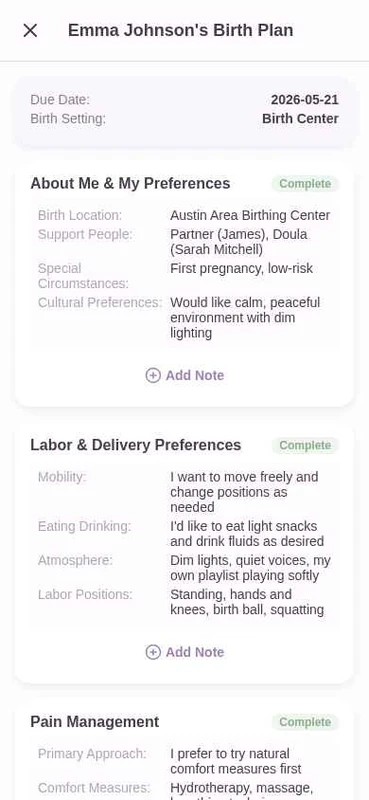
One of the best ways to make sure your circle of support knows what you want is to write it down. A birth plan isn't a rigid document; it's a communication tool. It helps your care team understand your priorities and helps you clarify your own wishes before labor even begins.
When I work with my clients, we sit down and talk through every possible scenario. We talk about what you want if things go perfectly, and we talk about what you want if plans change. Having a clear plan helps you keep your sense of autonomy, even if you have to transfer from home to hospital or end up needing interventions.
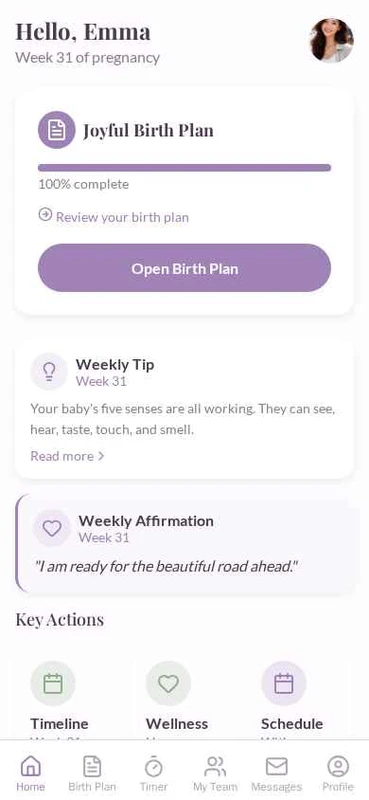
If you're ready to start writing down your thoughts, grab my Free Joyful Birth Plan template. It's designed to be simple and straightforward, so you can easily share it with your partner, your doula, and your medical team.
What this means for you: Take an hour this week to sit down with a cup of tea and start writing your birth plan. It doesn't have to be perfect. Just start getting your thoughts out of your head and onto paper.
Questions to bring to your care team
As you think about your birth space and the support you need, here are a few questions to ask your provider at your next appointment:
- How do you support women who want to labor at home for as long as possible before coming to the hospital?
- What are your protocols for shared decision-making if my birth plan needs to change?
- How do you ensure I feel heard and respected during labor?
- Can you recommend local doulas who have experience with my preferred birth setting?
Remember, this is your birth and your baby. You deserve to feel a deep sense of control and happiness with your experience, just like the mamas in the Swedish study. Keep asking questions, keep searching for the right team, and trust that you know what's best for you.
References
- Women's experiences of planned home birth in Sweden: A netnographic study. PubMed. https://pubmed.ncbi.nlm.nih.gov/42790062/
Written by Shelbi Kohler