October 7, 2026
Virtual Reality for Labor Pain: How It Helps
Research suggests virtual reality headsets can lower labor pain and ease childbirth fears. Here is how VR works as a drug-free comfort measure.

With my third baby, I remember gripping the side of the hospital bed, wondering how I was going to get through the next few hours. The contractions were coming hard and fast, and I was exhausted. If you are feeling nervous about labor pain right now, you are in very good company. Every single expectant mother wonders how she will handle the intensity of contractions. It is completely normal to feel a little anxious about the physical sensations of birth.
As a certified birth doula and mother of seven, I have seen women try just about everything to manage labor pain. We use breathing techniques, hydrotherapy, birth balls, and medication. But research suggests a really cool new option might help. Using a virtual reality headset during labor can actually lower your pain and ease your fears by giving your mind a totally immersive distraction, no drugs required. Let's talk about how this works and if it might be a good fit for your birth.
What the Research Actually Says About VR in Labor
A recent randomized controlled trial investigated the efficacy of virtual reality interventions during labor. If you are not a researcher, you might wonder what that actually means. A randomized controlled trial is basically the gold standard of research. The researchers took a group of pregnant women and randomly assigned them to either use a VR headset during labor or use standard care without the headset. This helps them see if the VR itself made the difference.
The study found that immersive VR technology can significantly reduce both labor pain and the fear of childbirth. Evidence indicates that the women who used the virtual reality intervention reported significantly lower levels of pain and fear compared to the women who did not use it. As a non-pharmacological comfort measure, the study suggests that VR offers a promising distraction-based tool for managing the psychological and physical experiences of labor.
We know that pain is not just a physical sensation. It is heavily influenced by your emotional state. If you are scared, your body tenses up, which can actually make the pain feel worse. The research suggests that by blocking out the clinical environment and replacing it with calming visuals, your brain has a harder time processing the pain signals.
What this means for you: You do not have to rely solely on medication or just toughing it out. There are emerging tools designed to help your brain cope with the intensity of contractions.
How a Headset Works as a Distraction Tool
If you have ever put on a virtual reality headset, you know how completely it takes over your vision and hearing. In labor, this can be a massive advantage. The hospital room can be bright, loud, and full of interruptions. Nurses come in to check your vitals, monitors beep, and the overall energy can feel stressful.
Think about the last time you had a headache or a backache. If you sat in a quiet, dark room, it probably felt more manageable. But if you were in a noisy, bright room with lots of people asking you questions, that pain probably felt much worse. The hospital environment is full of beeping monitors, bright fluorescent lights, and people coming in and out. It is not exactly relaxing.
When you put on a VR headset, you might suddenly find yourself on a quiet beach, watching the waves roll in, or floating through a peaceful forest. This is based on something called the gate control theory of pain. The basic idea is that your brain can only process so much information at once. If you flood your brain with beautiful, calming sights and sounds, it literally has less bandwidth to process the pain of your contractions. I have seen this at births. When a mom changes her environment, even a virtual one, her shoulders drop and her breathing slows down.
What this means for you: You can trick your brain into focusing on something relaxing, which takes the edge off the physical sensations of labor.
Easing the Fear of Childbirth
Fear of childbirth is incredibly common. Maybe you had a tough birth before, or maybe this is your first baby and you have heard scary stories from friends. When you are afraid, your body produces adrenaline. Adrenaline works against oxytocin, the hormone you need to keep your labor moving along.
We call this the fear-tension-pain cycle. First, you feel fear. Then, your muscles tense up. When your muscles are tight, especially around your uterus, the pain of the contraction feels much worse. This makes you more afraid, which makes you more tense, and the cycle continues. Breaking that cycle is one of the most important things you can do in labor.
The research found that VR does not just help with pain. It significantly lowers the fear of childbirth. By giving you a safe, controlled environment to retreat to when things get intense, the headset helps keep your nervous system calm. If you are less afraid, you are more likely to relax into the process. If you are wondering about the difference between the medical staff and your support team, you might want to read up on Doula vs Midwife. Both play a role in keeping you safe and calm, but a doula is there specifically to offer continuous emotional support.
What this means for you: Lowering your fear can actually help your labor progress, making the whole process smoother and more manageable.
Pairing VR With Your Doula's Support
Technology is great, but it does not replace human touch. I remember working with a client we will call Sarah. She was being induced and was feeling incredibly anxious about the Pitocin contractions. She had brought her own VR headset to the hospital. When the contractions got really strong, she put the headset on and chose a guided meditation scene.
She put the headset on around 4 centimeters, when the Pitocin contractions were coming fast and hard. She chose a scene of a quiet beach at sunset. I sat right beside her, holding her hand, applying counter-pressure to her hips, and reminding her to relax her jaw. I watched her shoulders, which had been up by her ears, slowly drop down. Her breathing synced up with the sound of the virtual waves. She used it for about 45 minutes, taking it off to sip water and change positions. It gave her the mental break she needed to get through a really tough stretch of labor.
The research suggests VR is a great tool, but it works best when paired with continuous support. If you are curious about what this kind of support looks like, check out What Is a Doula?. The Benefits of a Doula are well-documented, and adding a high-tech comfort measure to that mix can be incredibly effective.
What this means for you: You get the best of both worlds. You can use a VR headset for mental distraction while your doula provides physical and emotional grounding.
Is VR Right for Every Birth?
While the evidence is promising, a VR headset is not a magic cure for everyone. Some women feel nauseous when using VR, and the last thing you want during labor is motion sickness. Also, many women prefer to stay active and mobile during labor. You might want to sway, walk the halls, or labor in the tub. It is hard to do those things with a headset strapped to your face.
It is usually best used during a specific part of labor. You might put it on for thirty minutes during transition, or during a long induction when you are stuck in bed. It is also a great tool if you are planning an epidural but have to wait a while for the anesthesiologist to arrive. Labor is a dynamic process. You will want to change positions, get in the shower, or move around. The headset is just one option you can reach for when you need it.
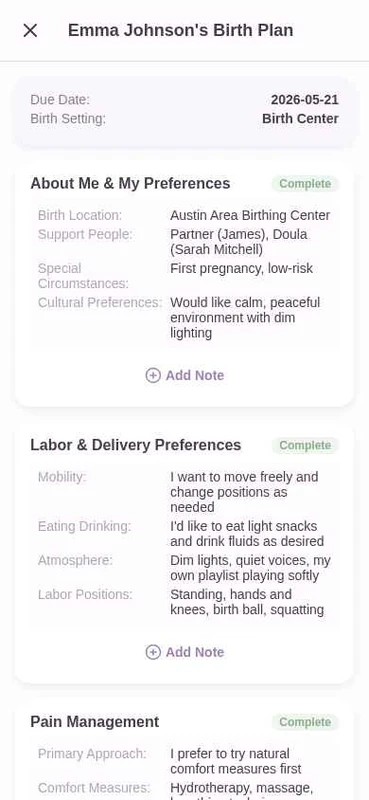
To figure out when and how you might want to use one, it helps to write out your wishes. Grab a Free Joyful Birth Plan template to organize your thoughts. You can list VR as a comfort measure you would like to try if you need it.
What this means for you: VR is just one tool in your toolbox. You do not have to use it the whole time, and it is okay if it is not your thing once you are actually in labor.
Practical Steps to Get a Headset for Your Birth
So, how do you actually get your hands on one of these for your birth? Some hospitals are starting to keep them on the labor and delivery floor, but many do not. You might need to bring your own. You can buy a relatively inexpensive headset that works with your smartphone, or you might be able to borrow one from a friend. Just make sure you test it out before you go into labor. Download a few calming apps or nature scenes so you do not have to fiddle with settings while you are having contractions.
Make sure you pack a long charging cable and a power bank in your hospital bag. You do not want the battery dying right in the middle of a heavy contraction. Also, think about hygiene. Hospitals are full of germs, so make sure you wipe down the headset with alcohol wipes before you put it on your face.
If you are budgeting for your birth, you might be looking at all your expenses. Our Doula Cost Guide can help you understand how to prioritize your spending. And if you have not found a support person yet, you can Find a Doula Near You to help you put all these pieces together. A good doula can help you set up the headset and make sure it is charged and ready to go.
What this means for you: A little preparation goes a long way. Test the tech beforehand and have a plan for who will manage it while you are focused on birthing your baby.
Questions to Bring to Your Care Team
As you prepare for your birth, here are a few questions you can ask your doctor or midwife about using VR:
- Does our hospital or birth center provide virtual reality headsets for laboring mothers?
- If I bring my own VR headset, are there any restrictions on using it during my stay?
- Can I use the headset while connected to continuous fetal monitoring?
- Are there any specific VR apps or scenes you recommend for relaxation?
- If I start to feel nauseous while using the headset, what are our backup comfort measures?
References
- The Effect of Virtual Reality Intervention on Labor Pain and Fear of Childbirth in Pregnant Women: A Randomized Controlled Trial. PubMed. https://pubmed.ncbi.nlm.nih.gov/42680619/
Written by Shelbi Kohler