October 7, 2026
Doula Support: What the Research Says About Birth Outcomes
Wondering if a doula is worth it? A new systematic review shows doula support links to fewer c-sections, less epidural use, and better birth satisfaction.

With my third baby, I finally figured out what I was missing during labor. I had someone by my side the whole time, just for me. She rubbed my back, brought me water, and told me I could do it—especially when I wanted to quit.
Maybe you're wondering if hiring a doula is the right move for your own birth. You might be asking if it actually changes anything, or if it's just an extra person in the room. It's a valid question, especially when you're planning a birth in a busy hospital.
Pregnancy brings a lot of choices. From what you eat to who you want in the delivery room, your mind is probably spinning. Adding one more person to the mix might seem like extra work right now. But hear me out.
I've seen this at births over the years. Having that steady, familiar face matters. And now, fresh research backs up what we doulas have watched happen time and again. Let's dig into what the data actually says about having a doula.
What the newest research tells us
A recent systematic review and meta-analysis looked at doula support during pregnancy, childbirth, and the postpartum period. If you aren't a birth worker, that title is a mouthful. Basically, researchers gathered up a bunch of studies on doulas and crunched the numbers to see what the overall evidence shows.
Researchers looked at data from many different studies to get a big-picture view. One single study can sometimes be a fluke. When you put dozens of studies together, you get a clearer look at the truth. This particular review focused specifically on doulas and the continuous care they provide.
They found that continuous support is linked to improved birth outcomes. Evidence indicates that having a doula by your side during labor can make a real difference, mama. It's linked to a higher chance of a vaginal birth, a lower chance of a c-section, and maybe less need for an epidural. Moms with doulas also tend to feel more positive about their birth.
Science doesn't always have all the answers, but when researchers pool data like this, it gives us a pretty clear picture. We can see trends that help moms make informed choices. If you want to read more about what a doula does, you can check out my post on What Is a Doula?.
What this means for you: You don't have to just guess if a doula will help. Research suggests continuous support genuinely improves how your labor goes and how you feel about it afterward.
Higher chance of a vaginal birth
One of the biggest things the meta-analysis found was a link between doula support and higher rates of spontaneous vaginal birth. Spontaneous just means your labor starts and progresses on its own, without needing medications to speed it up or a surgery to deliver your baby. The research also shows a lower likelihood of cesarean delivery.
C-sections save lives, and I am so grateful we have them when babies or moms are in trouble. But if you're hoping for a vaginal birth, a c-section means a longer recovery. You have a newborn to care for while healing from major abdominal surgery. Lowering your chances of that surgery is a big deal.
I remember a client I'll call Hannah. She was terrified of having a c-section after a long, exhausting labor with her first baby. When her second labor stalled at 7 centimeters, the hospital staff started talking about options to speed things up. We spent the next two hours changing positions, rocking on the birth ball, and walking the halls. I rubbed her back and reminded her she was safe. Her body relaxed, and her baby was born vaginally just a few hours later.
Having someone there to help you move and breathe can help your pelvis open up. It's not magic, but it changes the physical mechanics of labor. When you feel tense, your body produces adrenaline, which can slow labor down. A calm environment helps your body do its job.
What this means for you: If a vaginal birth is important to you, a doula can help with position changes and comfort measures that might keep your labor moving along.
Maybe less need for an epidural
Evidence indicates that doula support also may decrease the use of regional analgesia during labor. That's the medical term for an epidural.
Let me be clear: there is absolutely no shame in getting an epidural. I've had babies with and without pain medication. Every single birth is valid. But some moms want to labor without medication, or they want to wait as long as possible before getting an epidural. Sometimes waiting helps you rest, and sometimes it helps you push more effectively.
When you have a doula, you have a built-in toolkit for coping with contractions. We bring heat packs, we do hip squeezes, we talk you through the waves. Sometimes having those physical comforts is enough to get you through the hardest parts. If you're trying to decide if you need a doula or a midwife for your birth, read my post on Doula vs Midwife to see how their roles differ.
A doula doesn't make the choice for you. She just makes sure you have what you need to make the choice when the time comes. If you get to a point where you're exhausted and an epidural sounds like the best way to rest, your doula supports that completely.
What this means for you: If you're hoping to delay or avoid an epidural, a doula gives you hands-on comfort tools to help manage the intensity of labor.
Feeling more positive about your birth
Birth isn't just about the baby arriving safely. How you feel during the process matters, too. The systematic review found that doula support positively impacts maternal satisfaction. Moms with doulas tend to feel more positive about their birth experience.
Why does this happen? I think it comes down to having a steady hand to hold. When you're in the middle of a long, painful labor, it's easy to feel overwhelmed or scared. Nurses come and go. They have other patients to care for. Doctors check in periodically. But a doula stays with you from the moment you call her until after your baby is in your arms.
Think about a time you had to do something really hard alone. Maybe you had to speak in public or wait for scary test results. Now think about doing that same hard thing with your best friend holding your hand. Labor is intense. It requires a lot of physical and mental stamina. Having a dedicated support person changes the entire atmosphere of the room.
She explains what's happening. She reminds you that your body knows how to do this. When things get intense, she's right there whispering, "You're doing it. You're so strong."
I've watched moms who had really tough, complicated births walk away feeling strong because they had someone in their corner the whole time. They knew what was happening and they had a voice in the room.
What this means for you: Your memory of your birth will stay with you forever. Having someone who keeps you informed and encouraged can make that memory a good one, no matter how the birth unfolds.
How a doula fits into your care team
Sometimes expectant moms worry that adding a doula will step on their doctor's or midwife's toes. That's not how it works at all. Doulas do not provide medical care. We don't check your cervix, we don't deliver babies, and we don't give you medicine.
Instead, we fill the emotional and physical support gap. Your medical team handles the clinical side of keeping you and your baby safe. Your doula handles the comfort side. We work together. If you want to learn more about how doulas improve outcomes, check out the Benefits of a Doula.
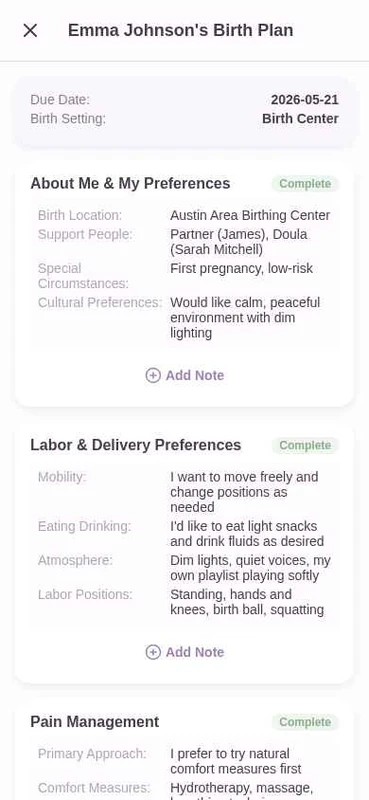
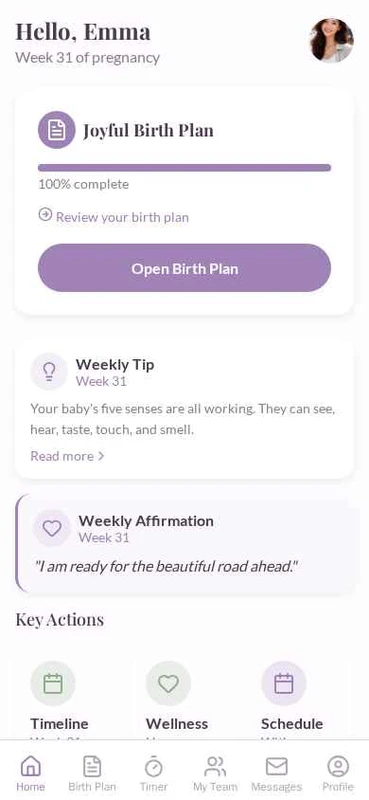
You can use my Free Joyful Birth Plan template to write down your wishes. When you bring your plan to your appointments, you can talk to your provider about how your doula will fit into the room. Most doctors and midwives love working with doulas because we make their jobs easier. We keep you calm so they can focus on the medical details.
What this means for you: You get a complete team. Medical professionals handle the health stuff, and your doula makes sure you feel safe, heard, and comfortable.
Making the choice that works for you
Deciding to hire a doula is a personal choice. For some moms, it's the first thing they put on their registry. For others, it takes a little more thought.
Cost is often a concern. Doulas charge different rates depending on where you live and their experience level. If you're trying to figure out how to budget for one, my Doula Cost Guide breaks down what goes into the fees. Some insurance plans even cover part of the cost now.
Start looking early. Good doulas book up fast, especially if you have a specific due month in mind. You can use my page to Find a Doula Near You and start interviewing a few options. Find someone you click with. You want to feel completely comfortable with the person you invite into your birth space.
Take your time with the interviews. Ask them about their training and their favorite birth stories. You'll know when you find the right one.
What this means for you: Look at your budget and start your search early. Finding the right fit makes a huge difference.
Questions to bring to your care team
When you chat with your care team, you might ask how a doula could fit into your birth plan to help you feel supported and confident. Here are a few questions to get you started:
- Do you work with doulas often?
- Are there any hospital policies I should know about if I bring a doula?
- How do you see the doula's role during my labor?
- If my labor gets long, how can a doula help me avoid a c-section?
- Can my doula stay with me if I need a c-section?
References
Written by Shelbi Kohler