August 10, 2026
How to Find a Lactation Consultant Near You
Finding a lactation consultant near you doesn't have to be stressful. Learn where to search, what to ask, and how to choose the right IBCLC or CLC.

Let's talk about finding a lactation consultant near you. After supporting hundreds of families through their births and raising seven children of my own, I've learned that breastfeeding support is one of the most valuable investments a new family can make. And honestly? Most guides make the search harder than it needs to be.
A lactation consultant is a trained professional who helps you and your baby get comfortable, confident, and well-fed during the early weeks and months. Whether you're dealing with latch issues, low supply, nipple pain, or just want a little reassurance, the right consultant can make the difference between a stressful start and a smooth one.
What Is a Lactation Consultant?
A lactation consultant is a specialist who provides evidence-based support for breastfeeding and chestfeeding. They help with positioning, latch, milk supply, pumping, returning to work, and troubleshooting any challenges that come up.
There are a few different credentials you'll see:
- IBCLC (International Board Certified Lactation Consultant): The gold standard. IBCLCs complete extensive clinical hours and pass a rigorous board exam. They're the most qualified to handle complex breastfeeding issues.
- CLC (Certified Lactation Counselor): A solid mid-level credential. CLCs complete a 45-hour course and can handle most common breastfeeding challenges.
- CLE (Certified Lactation Educator): Focuses on education and basic support rather than clinical care.
For most families, an IBCLC is the safest choice, especially if you're dealing with a specific medical concern. But a great CLC can be a wonderful, more affordable option for everyday support.
Where to Find a Lactation Consultant Near You
The good news is that lactation support is more accessible than most people realize. Here's where to start your search:
1. Your Hospital or Birth Center
Most hospitals that deliver babies offer inpatient lactation support while you're still recovering. Many also run outpatient lactation clinics you can visit after you go home. Ask your nurse or discharge team for a referral before you leave.
2. Your OB, Midwife, or Pediatrician
Your care providers work with lactation consultants every day. A quick call to your OB's office or your baby's pediatrician will usually get you a trusted local referral. This is often the fastest path to a vetted professional.
3. Online Directories
Several national organizations keep searchable directories of certified lactation consultants:
- The International Lactation Consultant Association (ILCA) directory
- USLCA (United States Lactation Consultant Association) find-a-consultant tool
- Your state's breastfeeding coalition website
These let you filter by location, credential, and sometimes insurance acceptance.
4. La Leche League
La Leche League is a peer-support organization with local groups in most communities. Their leaders are trained breastfeeding counselors, and meetings are free. It's a wonderful place to start if you want community support alongside professional help.
5. Your Insurance Provider
Under the Affordable Care Act, most insurance plans cover lactation consultation with no copay. Call the number on the back of your card and ask for in-network lactation providers. Many plans also cover a breast pump, so ask about that while you're on the phone.
What to Ask Before You Book
Once you've found a few candidates, a short phone call will tell you a lot. Here are the questions I recommend asking:
- What's your credential? Confirm they're an IBCLC or CLC with real training.
- Do you take my insurance? This can save you hundreds of dollars. If they don't, ask about self-pay rates and sliding scales.
- Do you offer home visits or telehealth? In the early weeks, having someone come to you is a game-changer. Telehealth is a great option for follow-ups.
- What's your experience with [your specific concern]? Whether it's tongue-tie, low supply, or a NICU baby, you want someone who's seen it before.
- How soon can you see me? Lactation issues are time-sensitive. A good consultant will get you in within a day or two.
When to Call a Lactation Consultant
You don't need to wait until something feels broken. In fact, the earlier you get support, the smoother your journey tends to be. Reach out if you notice any of these:
- Latch is painful or your nipples are cracked or bleeding
- Your baby isn't gaining weight or has fewer wet diapers than expected
- You're worried about low milk supply
- You have engorgement, clogged ducts, or signs of mastitis
- Your baby has tongue-tie or lip-tie
- You're returning to work and need a pumping plan
- You just want a feeding plan that feels confident and calm
Trust your instincts. If something feels off, a lactation consultant can help you figure out what's normal and what needs attention.
What to Expect at a Lactation Visit
A typical lactation consultation lasts about an hour to ninety minutes. The consultant will:
- Watch a full feeding to assess latch and positioning
- Weigh your baby before and after a feed to measure milk transfer
- Check for tongue-tie, lip-tie, or other oral issues
- Review your baby's weight history and diaper output
- Create a personalized feeding plan with you
You'll leave with a clear action plan, not just vague advice. Most families need one or two visits, though some benefit from ongoing support.
How Much Does a Lactation Consultant Cost?
Costs vary widely by location and credential. Here's a general picture:
- Inpatient hospital support: Usually included in your birth stay
- Outpatient clinic visit: $100 to $250 per session
- Home visit: $150 to $300 per session
- Telehealth: $75 to $150 per session
The key thing to remember: under the Affordable Care Act, most insurance plans cover lactation consultation with no out-of-pocket cost. Always check your coverage before paying out of pocket. Many families are surprised to learn their visits were fully covered.
A Note on Insurance and Medicaid
If you're on Medicaid, coverage varies by state. Some states cover lactation services fully, while others have more limited benefits. It's worth a call to your Medicaid managed care plan to ask specifically about lactation consultation coverage.
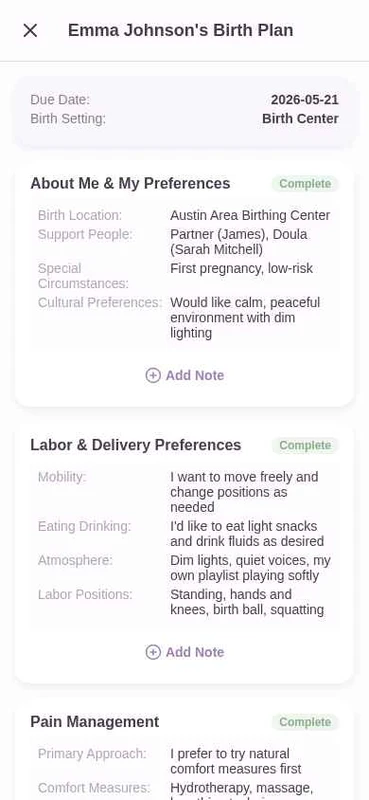
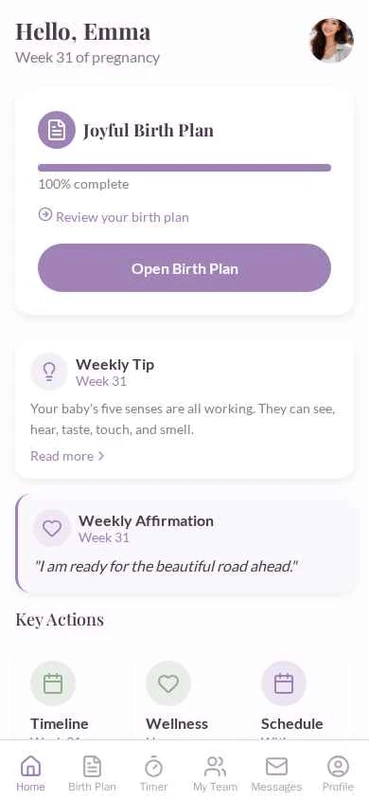
And if you're planning your birth and want to make sure lactation support is part of your plan, our free Joyful Birth Plan walks you through every decision, including feeding preferences. You can build your plan in minutes and take it to your hospital with confidence.
The Bottom Line
Finding a lactation consultant near you doesn't have to be overwhelming. Start with your hospital or care provider, check your insurance, and don't be afraid to ask questions before you book. The right support can turn a stressful start into a confident, connected feeding journey.
If you're looking for birth support in your area, our birth support directory connects you with local doulas, midwives, and resources. And if you're just getting started with your birth plan, grab your free Joyful Birth Plan today.
Written by Shelbi Kohler