June 10, 2026
Does Medicaid Cover Doula Services?
Medicaid doula coverage is expanding across the US. Find out if your state covers doula services and how to get reimbursed for your doula through Medicaid.
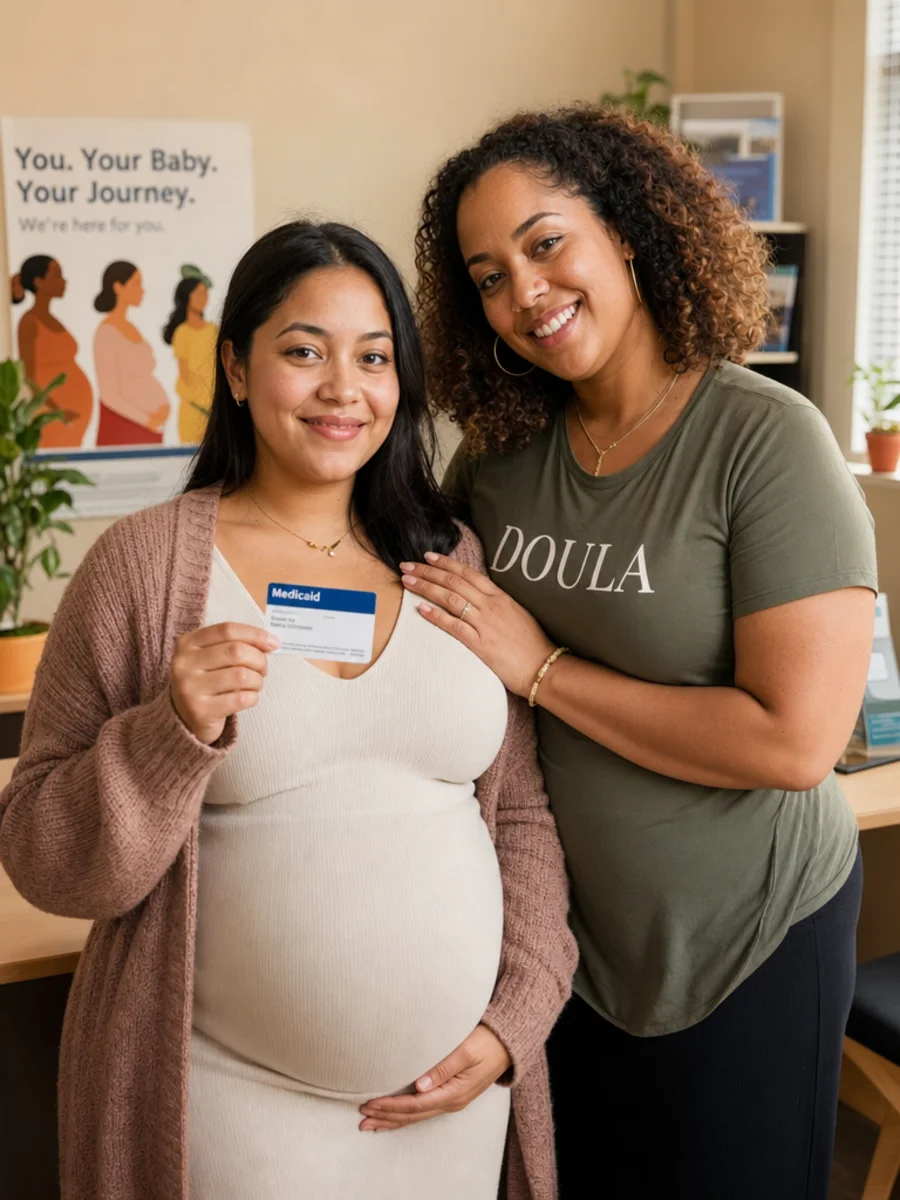
Let's talk about Medicaid doula coverage — because this is one of the most confusing and fastest-changing parts of birth support right now. After working with families across the country, I've seen firsthand how Medicaid coverage for doulas can make birth support accessible for families who thought they couldn't afford it.
Medicaid doula coverage means that your state's Medicaid program will pay for doula services during pregnancy, labor, and the postpartum period — either partially or in full. As of 2026, an increasing number of states have added doula coverage to their Medicaid benefits, recognizing that doula support improves birth outcomes and reduces costs.
One Colorado mom told me her doula was fully covered through Health First Colorado, the state's Medicaid program. She said the key was calling her managed care plan directly — the online directory wasn't up to date, but once she asked the right person, she found a doula who accepted Medicaid in under a week. If you're in Colorado, you can also browse doulas in the Aurora area to find providers near you.
Which States Cover Doula Services Through Medicaid?
Medicaid doula coverage is expanding rapidly, but it's still not available everywhere. Here's where things stand as of 2026.
States With Active Medicaid Doula Coverage
These states have active programs where doula services are covered under Medicaid:
Oregon was one of the first states to cover doula services through Medicaid and has one of the most established programs. Doulas must be enrolled as Medicaid providers and can bill for prenatal, birth, and postpartum support. Families looking for birth support in Portland can find Medicaid-enrolled doulas through the Oregon Health Plan.
Minnesota expanded its doula coverage in recent years, covering up to 12 visits per pregnancy including prenatal, birth, and postpartum support. The program is administered through managed care plans.
New York launched a doula Medicaid pilot that covers doula services for pregnant and postpartum individuals. Doulas need to register with the state and complete specific training requirements.
Colorado (Health First Colorado) covers doula services as a benefit for pregnant members. The program is administered through regional accountable care organizations and managed care plans.
New Jersey began covering doula services under Medicaid in recent years, with doulas able to bill for prenatal visits, labor support, and postpartum care.
Rhode Island includes doula services in its Medicaid benefit, covering up to eight visits.
Florida launched a doula Medicaid pilot program covering prenatal and postpartum doula visits.
Maryland recently expanded Medicaid to cover doula services through its health benefit exchange.
Massachusetts covers doula services through MassHealth, the state's Medicaid program.
Washington, DC covers doula services through its Medicaid program.
States With Pending or Pilot Programs
Several states are in the process of adding doula coverage or have active pilot programs:
California is in the process of implementing doula coverage through Medi-Cal. Doulas can enroll as providers, though the rollout has been gradual.
Illinois has passed legislation to cover doula services through Medicaid and is in the implementation phase.
Virginia launched a doula pilot program for Medicaid recipients.
Nevada passed legislation to study or implement doula Medicaid coverage.
States Without Doula Medicaid Coverage
In many states, doula services are not yet covered by Medicaid. However, this is changing rapidly — more states introduce doula coverage legislation every year. If your state isn't listed, check with your local doula organizations or state Medicaid office for the most current information.
One Texas family told me they assumed doula support was out of reach because Texas Medicaid doesn't yet cover doula services. They found a doula who offered a sliding scale fee based on their income — bringing the cost down to $400 for complete prenatal and birth support. They said it was the best money they spent on their entire birth. If you're in Texas, you can explore doula options in Austin to connect with doulas who may offer flexible pricing.
How Does Medicaid Doula Coverage Work?
If you live in a state that covers doula services through Medicaid, the process generally works like this:
Step 1: Confirm your coverage Contact your managed care plan or state Medicaid office and ask specifically about doula benefits. The key phrase is "doula services" — not all representatives know about the benefit, so you may need to ask more than once or ask to speak with a maternity benefits specialist.
Step 2: Find a Medicaid-enrolled doula Not all doulas are enrolled as Medicaid providers. Your state's Medicaid office may have a directory, or you can ask local doula organizations for referrals. Some doulas are in the process of enrolling — even if they're not listed yet, they may be able to help.
Step 3: Get a referral or prior authorization (if required) Some states require a referral from your OB, midwife, or primary care provider. Others allow you to choose a doula directly. Your doula or case manager can walk you through the requirements.
Step 4: Receive doula support Once enrolled, your doula provides prenatal visits, continuous labor support, and postpartum follow-up visits. The doula bills Medicaid directly — you shouldn't receive a bill.
Step 5: Follow up after birth After your birth, your doula will typically schedule one or two postpartum visits. These are included in the Medicaid coverage and are a valuable time to process your birth experience and get breastfeeding or newborn care support.
What If Your State Doesn't Cover Doula Services?
If you live in a state without Medicaid doula coverage, you still have options:
Sliding scale fees. Many doulas offer reduced rates based on what you can afford. Don't assume doula support is out of reach without asking.
Payment plans. Some doulas offer monthly payment options that spread the cost over several months.
HSA or FSA funds. You can use Health Savings Account or Flexible Spending Account funds to pay for doula services.
Community doula programs. Some cities and counties fund doula programs specifically for low-income families. Check with your local health department, community health center, or WIC office.
Doula training programs. Some doulas-in-training offer reduced-cost or free services as part of their certification requirements. DONA International and other certifying bodies require doulas to attend births for certification, and these doulas need client families to work with.
One Memphis doula told me most of her clients find her through word of mouth, not through insurance directories. She offers a free initial consultation and works out payment plans with anyone who needs one. She said families almost always find a way to make it work once they've had that first conversation and felt the value of having someone on their team.
Frequently Asked Questions
Does Medicaid cover doula services in every state?
No. Medicaid doula coverage varies by state and is still expanding. Check with your state's Medicaid office for the most current information.
How do I find a doula who accepts Medicaid?
Start by contacting your managed care plan or state Medicaid office. Ask for a list of enrolled doula providers. You can also search DONA International's directory and filter by location, then contact doulas directly to ask if they accept Medicaid.
Does the doula bill me or Medicaid directly?
In most cases, the doula bills Medicaid directly. You should not receive a bill for covered services. However, confirm this with your doula before services begin.
Can I use private insurance for doula services?
Some private insurance plans offer doula benefits, though it's less common than Medicaid coverage. Check with your insurance provider and ask specifically about "doula services" or "birth support benefits."
Does Medicare cover doula services?
Medicare coverage for doula services is limited. Some Medicare Advantage plans may offer supplemental benefits that include doula support. Check with your specific plan.
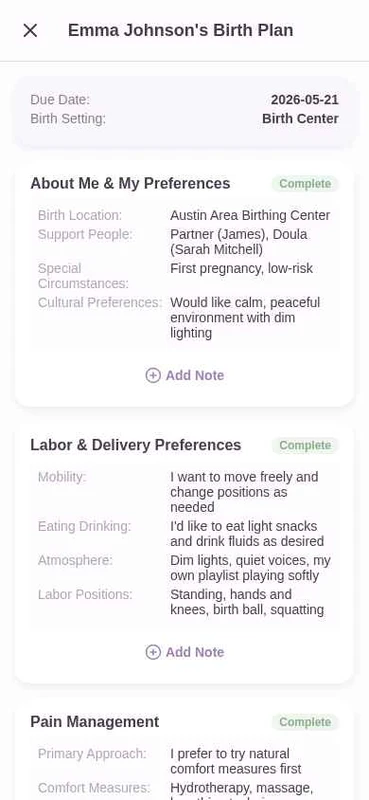
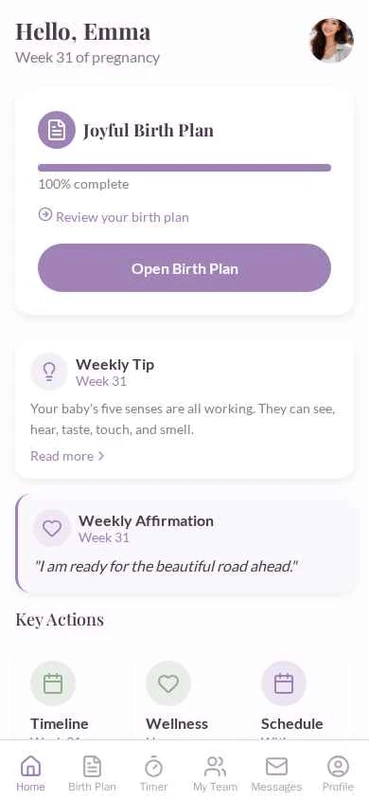
When you're ready to build your birth plan, the Joyful Birth Plan walks you through everything — including what you want your doula to know about your preferences. You shouldn't have to figure this out alone.
For more on doula costs and payment options, check our full doula cost guide.
Written by Shelbi Kohler