July 7, 2026
Birth Plan Checklist: Every Decision to Make
A complete birth plan checklist covering labor preferences, pain management, delivery options, and postpartum care. Start with our free template today.

A birth plan checklist turns a vague idea of how you want your labor to go into a document your care team can actually use. After supporting hundreds of births as a certified doula, I have seen what happens when families skip this step. They get to the hospital, something comes up, and they are making decisions on the fly without the information they need. A checklist walks you through every decision before you are in labor, so that when the moment comes, you are prepared, not panicked.
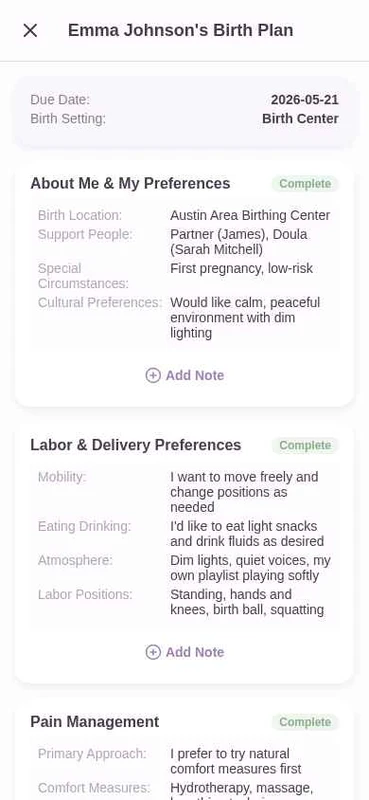
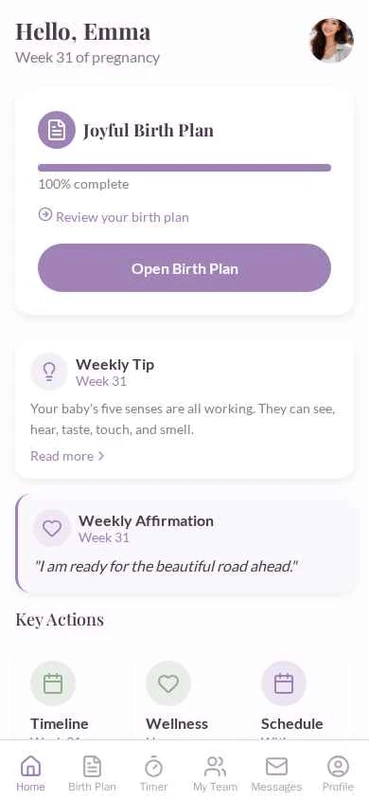
If you want a structured starting point, grab the True Joy Birthing birth plan template. It covers every section on this checklist and lets you fill it out section by section, then hand it to your provider at your next prenatal visit.
What Is a Birth Plan Checklist and Why Do You Need One?
A birth plan checklist is a comprehensive list of decisions you need to make before labor begins. It is not a script for how your birth has to go. It is a framework that ensures you have thought through the major choices, discussed them with your provider, and communicated your preferences to the people who will be in the room.
The checklist matters because birth involves dozens of decisions, and most first-time parents do not know what those decisions are until someone presents them with an option in the moment. Do you want continuous or intermittent fetal monitoring? Should you be offered an epidural, or only receive one if you ask? Who cuts the cord, and when? These are not emergency decisions. They are preferences you can work through in advance.
What Should You Include in Your Birth Plan Checklist?
Your birth plan checklist should cover six categories. Each one represents a set of decisions that your nurse, doctor, or midwife will need to know during labor.
- Labor preferences: Who is in the room, how you want to move, whether you want to eat or drink, and how you want the environment set up
- Pain management: What comfort measures you want to try first, whether you want to be offered medication or only receive it on request, and how you feel about Pitocin
- Delivery preferences: Positions for pushing, who catches the baby, whether you want a mirror, and your preferences for an episiotomy
- Immediate postpartum: Skin-to-skin, delayed cord clamping, whether you want the baby on your chest right away
- Newborn procedures: Vitamin K, eye ointment, hepatitis B vaccine, newborn screening, and circumcision if applicable
- Feeding plan: Breastfeeding, formula, or both, and whether you want lactation support in the hospital
A mom I supported in Chicago had her checklist organized by these exact categories. When we arrived at triage, the nurse read through it in under two minutes and said it was the most organized plan she had seen all month. That is the goal. You want your care team to know your preferences without having to ask you during a contraction.
How Do You Decide on Labor Preferences?
Labor preferences are the foundation of your birth plan checklist. These are the choices that shape how you move through labor and who is with you.
Think through these questions:
- Who do you want in the delivery room? List names and roles.
- Do you want to be offered an induction, or only if medically necessary?
- How do you feel about continuous versus intermittent monitoring? Intermittent allows more freedom to move.
- Do you want freedom to move and change positions during labor?
- Would you like to use a birthing ball, tub, or shower for comfort?
- Do you want to eat or drink during labor?
- How do you want your support team to encourage you? Quiet voice, reminders of your goals, or hands-on counterpressure?
- Do you want the room lights dimmed?
I tell every client to write these answers down between 30 and 34 weeks. Earlier than that, you may not have enough information from your childbirth education class. Later than that, you are rushing. A family I worked with in Seattle waited until 38 weeks to start their checklist. They were overwhelmed by the number of decisions and ended up leaving half of them blank. Their nurse had to walk them through the remaining choices during early labor, which is not when you want to be making those calls.
If you are still deciding what matters to you, read our guide to what to include in a birth plan for a deeper walkthrough of each section.
What Are Your Pain Management Options?
Pain management is the section most families focus on first, and it deserves careful thought. Your checklist should cover both non-medical comfort measures and medication preferences.
Start with your first response to being offered an epidural. Some mothers want to try unmedicated comfort measures first and only accept medication if they request it. Others want an epidural as early as possible. Both are valid. The key is that your preference is written down so you are not answering questions during a contraction.
Your pain management checklist should include:
- What is your first response to being offered an epidural?
- Do you want to try unmedicated comfort measures first? Which ones matter most to you: breathing, massage, movement, water, or position changes?
- If you plan to go unmedicated, do you want to be reminded of that goal, or supported in changing your mind?
- Do you want to be offered pain medication, or only receive it when you ask?
- How do you feel about Pitocin to speed up labor?
I supported a mom in Portland who wrote on her checklist: "I want to labor unmedicated. Please do not offer an epidural. If I ask for one, remind me of my goal once. If I ask again, support my decision without judgment." Her nurse followed it exactly. She delivered unmedicated, and afterward she told me that not being asked about medication every 20 minutes was what kept her focused.
For a full breakdown of comfort measures and medication options, read our guide to labor pain management options. If you are planning a natural birth, our natural labor pain management guide covers specific techniques.
How Do You Plan for the Unexpected?
Every birth plan checklist needs a section for what happens if things do not go according to plan. This is not pessimism. It is preparation. Birth is unpredictable, and families who have thought through their backup options feel more in control when plans change, not less.
Your "what if" section should cover:
- If labor stalls, are you open to Pitocin, breaking your water, or waiting longer?
- If the baby is in distress, what is your preference for the fastest delivery method?
- If you need a cesarean, do you want your partner present? Do you want a clear drape so you can see the baby being born?
- If you are planning a vaginal birth after cesarean, what are your specific VBAC preferences?
A family I worked with in Nashville had their checklist include a detailed cesarean section. At 8 centimeters, the baby's heart rate dropped and the OB recommended a C-section. Because they had already written down their preferences, the dad knew to ask for the clear drape, the mom knew she wanted skin-to-skin in the operating room, and they had already discussed who would cut the cord. The surgery was unexpected, but their preferences were not. That is the difference a "what if" section makes.
If you want to prepare for different birth scenarios, our birth plan scenarios guide walks through the most common unexpected situations and how to plan for each one. For families planning a VBAC, our VBAC birth plan guide covers the specific decisions involved.
What Should Your Support Team Know?
Your support team is the group of people who will be with you during labor. Your checklist should include clear instructions for each of them, because they cannot support you the way you need if they do not know what you want.
Your support team section should specify:
- Who is your primary support person and what is their role?
- If you have a doula, what do you want them to focus on: physical support, advocacy, or both?
- Does your partner want guidance on how to help, or do they already know what to do?
- Is there anyone you do not want in the room, even if they ask?
- Who is responsible for photos, calling family, and handling logistics?
I worked with a couple in Phoenix where the partner was nervous about his role. We wrote on the checklist: "Partner applies counterpressure during contractions, offers water between contractions, and reminds me to change positions every 30 minutes. Doula handles advocacy and communication with staff." He told me afterward that having his job written down took the pressure off. He did not have to guess what to do. He just followed the plan.
If you are deciding whether to hire a doula, our guide to doula benefits covers what the research says about continuous labor support. For families in Texas, we have state-level resources for birth support across the state.
What About Postpartum and Newborn Care Preferences?
Most birth plan checklists stop at delivery. That is a mistake. The first few hours after birth involve a series of decisions about your baby, and you want to make those before you are exhausted.
Your postpartum and newborn section should include:
- Do you want immediate skin-to-skin, and for how long?
- Do you want delayed cord clamping (waiting 1 to 3 minutes before cutting the cord)?
- Who cuts the cord?
- Do you want the baby on your chest for the first hour, or are you okay with routine newborn assessments first?
- Vitamin K injection: yes or no?
- Eye ointment (erythromycin): yes or no?
- Hepatitis B vaccine: yes, no, or delayed?
- Newborn screening tests: yes or no?
- Circumcision: yes or no, and if yes, who performs it?
- Feeding plan: breastfeeding, formula, or both?
- Do you want a lactation consultant to visit you in the hospital?
A mom I supported in Philadelphia had her newborn procedures section completely filled out. When the nurse came in to administer the eye ointment, the mom had already declined it on her checklist. The nurse read the plan, noted the preference, and moved on. No awkward conversation during the golden hour. That is how it should work.
If you want to understand the evidence behind newborn procedures, our birth plan guide covers the research on delayed cord clamping, vitamin K, and eye ointment in detail. For families planning to breastfeed, read our guide to cultural traditions and breastfeeding support.
Frequently Asked Questions About Birth Plan Checklists
When should I start my birth plan checklist?
Start at 30 to 32 weeks. This gives you time to take a childbirth education class, discuss your preferences with your provider at a prenatal visit, and revise your plan as you learn more. Finalize it by 36 weeks so it is ready to bring to the hospital.
How long should a birth plan be?
One to two pages. A checklist format keeps it short and scannable. Your nurse has minutes to read it, not an hour. Bullet points and clear categories work better than paragraphs.
Do I need a different checklist for a hospital birth versus a birth center?
The core categories are the same, but the specifics differ. A hospital birth checklist includes more decisions about interventions and monitoring. A birth center checklist focuses more on environment and transport plans. Our hospital birth plan guide covers the hospital-specific decisions in detail.
What if my provider does not agree with my preferences?
That is a conversation to have at 34 to 36 weeks, not during labor. If your provider is unwilling to support your preferences and you have time to switch, you may want to find a provider who aligns with your goals. If switching is not an option, focus on the preferences that are most important to you and be flexible on the rest.
Can I change my mind during labor?
Yes. A birth plan checklist is a set of preferences, not a contract. You can change any decision at any time. The value of the checklist is that you have thought through the options in advance, so if you do change your mind, it is an informed choice, not a reaction to pressure.
Start Your Checklist Early
A birth plan checklist works when you fill it out early, share it with your provider, and bring it with you on the day. Start at 30 weeks, review it at 34, and finalize it by 36.
If you want a template that walks you through every section on this checklist, use the True Joy Birthing birth plan template. It covers labor preferences, pain management, delivery options, newborn procedures, and postpartum care all in one document.
You are making dozens of decisions when you write a birth plan. A checklist ensures you do not miss the ones that matter most.
Written by Shelbi Kohler