June 23, 2026
Cultural Birth Traditions for Doulas
How cultural values shape infant feeding decisions — and how doulas can support families in honoring both tradition and evidence-based care.

The way a family feeds their baby is never just about nutrition. It's shaped by grandmothers, by traditions passed down through generations, by cultural beliefs about what's best for a newborn, and by the practical realities of a mother's life. As doulas, we see this every time we walk into a postpartum home.
A recent episode of the Evidence Based Birth podcast (EBB 402) explored this topic through the lens of infant feeding practices in India. Yogyata Wadhwa, an IBCLC and infant feeding specialist who has supported over 10,000 families, shared how parents can honor cultural traditions while making informed decisions about breastfeeding, introducing solids, and navigating the postpartum period. The conversation holds lessons for any birth worker supporting families from diverse backgrounds.
Why Cultural Context Matters in Infant Feeding
Breastfeeding rates vary dramatically across cultures — not because of biology, but because of beliefs, support systems, and workplace policies. In India, for example, nearly all mothers initiate breastfeeding, and extended breastfeeding is common. But that doesn't mean it's without challenges.
The same concerns come up everywhere: Is my baby getting enough milk? Is my latch correct? Does my baby have a tongue tie? What makes these questions different is how they're answered within a family's cultural framework. A doula who understands that framework can offer guidance that actually lands.
Common Breastfeeding Challenges Across Cultures
Wadhwa identified several challenges that cross cultural boundaries. Milk supply concerns are nearly universal — mothers worry constantly about whether they're producing enough, regardless of where they live. Latch difficulties and tongue ties come up in every practice. But the way families interpret and respond to these challenges varies.
In some cultures, perceived low milk supply leads immediately to formula supplementation. In others, families turn to traditional galactagogues — foods or herbs believed to increase milk production. Neither approach is wrong, but both benefit from a doula's informed perspective. If a family wants to use fenugreek or eat specific postpartum meals to support milk production, that's something I can support while also helping them understand the signs that their baby is actually getting enough.
The Jappa Period and Postpartum Recovery
One of the most striking traditions Wadhwa described is the Jappa period in India — a 40-day postpartum recovery window where the new mother is cared for by her extended family. She rests, she's fed nourishing foods, and her only job is to bond with and feed her baby.
This stands in stark contrast to the postpartum experience many American mothers face: a few days of help from a partner who has to return to work, then mostly alone. The Jappa period isn't just a nice tradition — it's a protective factor for breastfeeding success. When a mother is well-rested, well-fed, and supported, milk production is more stable, latch difficulties are easier to work through, and the emotional transition to motherhood is gentler.
For doulas working with families who don't have an extended family network, this is a reminder of how important our role is. We can't replace a village, but we can help families plan for real postpartum support — whether that's a postpartum doula, meal trains, or simply setting expectations with partners about what the first weeks will look like.
Introducing Solids: The Annaprasan Ceremony
In many Indian families, a baby's first solid food is introduced through the Annaprasan ceremony — a ritual where the baby is fed a small amount of a specific food, often rice pudding or a sweet preparation, in a family gathering. The ceremony marks the baby's transition to eating solids and is accompanied by blessings and celebration.
This is a beautiful example of how cultural traditions can coexist with evidence-based feeding guidelines. The current recommendation is to introduce solids around six months of age, starting with iron-rich foods. A family can absolutely honor the Annaprasan ceremony at the appropriate developmental stage while also following pediatric guidelines for introducing solids. The two don't have to conflict.
What This Means for Your Practice
Here's what I want every doula to take away from this conversation.
First, ask about traditions. When you're working with a postpartum family, ask: What did your mother do? What does your grandmother say about feeding babies? What foods are considered important in your family after birth? These questions open doors that clinical checklists never will.
Second, support without judgment. If a family wants to use traditional galactagogues or follow specific postpartum dietary practices, support that. The evidence supports breastfeeding — and anything that helps a mother breastfeed successfully is worth encouraging, as long as it's safe.
Third, help families plan for real support. The Jappa period works because the mother isn't alone. If your client doesn't have extended family nearby, help them build a support plan. A postpartum doula, a rotating schedule of friends, a meal delivery service — something is better than nothing.
Fourth, know when to refer. Cultural practices are meaningful, but they don't replace medical care. If a baby isn't gaining weight, if there's significant pain with breastfeeding, or if a mother's mental health is suffering, refer to the appropriate professional. Cultural sensitivity doesn't mean avoiding hard conversations.
References
This article is based on content from the Evidence Based Birth podcast. Read the original show notes and listen to the full episode at: EBB 402 – Cultural Aspects of Lactation and Infant Feeding in India
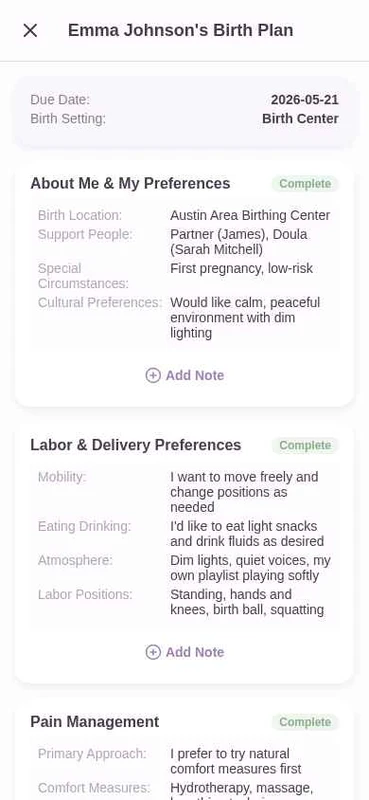
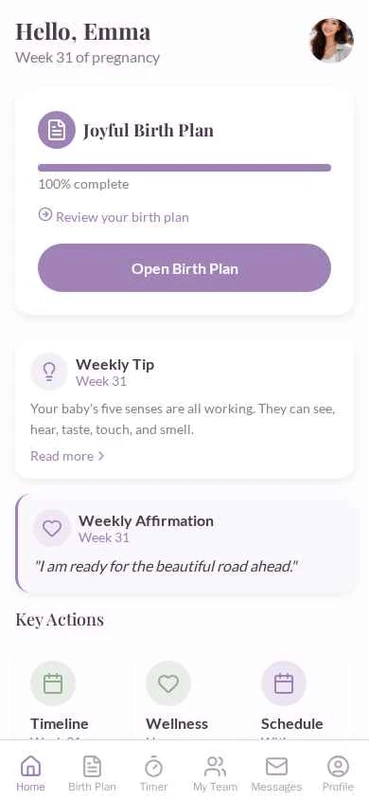
For more on creating your own Joyful Birth Plan, including feeding preferences, visit our free template. If you're wondering what is a doula and how one can support your postpartum journey, we have a guide for that too. And if you're looking for Aurora, CO birth support or birth support in Austin, TX, our city guides can help you find local providers who understand your needs.
Written by Shelbi Kohler