September 13, 2026
Newborn Procedures: Standard vs Optional at Birth
Vitamin K, eye ointment, newborn screening tests, and delayed cord clamping â what's standard, what's optional, and what belongs in your birth plan.

What Are the Standard Newborn Procedures After Birth?
When your baby arrives, the first hour or two involve a handful of routine steps that most hospitals follow. The AAP and ACOG outline these as standard practice in most U.S. birth settings. Knowing what they are and why they happen takes some of the surprise out of the first moments with your newborn.
Here is what typically happens right after delivery:
Immediate skin-to-skin contact â your baby is placed on your chest or belly. The AAP recommends this for at least the first hour because it helps regulate the baby's temperature, heart rate, and blood sugar. It also supports early bonding and, for breastfeeding families, helps cue the first latch.
Drying and warming â your care team will dry the baby thoroughly and place a warm towel or blanket over them. This prevents heat loss, which newborns lose quickly through their heads.
Apgar score â at 1 minute and 5 minutes after birth, a provider checks the baby's appearance, pulse, grimace, activity, and respiration. This is a quick snapshot, not a grade. Most babies score 7 or above.
Vitamin K injection â this is standard in U.S. hospitals. The AAP recommends it to prevent vitamin K deficiency bleeding, a rare but serious condition that can cause uncontrolled bleeding in newborns.
Eye ointment â erythromycin or tetracycline ointment is placed in the baby's eyes to prevent bacterial infections that can be transmitted during birth. This is required by law in most states.
Newborn screening tests â a heel prick to collect a few drops of blood for metabolic and genetic disorder screening. The CDC recommends this panel for all newborns. It is typically done after 24 hours but can be done earlier if needed.
Hepatitis B vaccine â the first dose is often given before discharge. The CDC recommends this birth dose for all newborns.
Delayed cord clamping â if not already done during labor, the cord is clamped and cut. ACOG recommends waiting at least 30 to 60 seconds before clamping for most babies, which allows additional blood flow from the placenta.
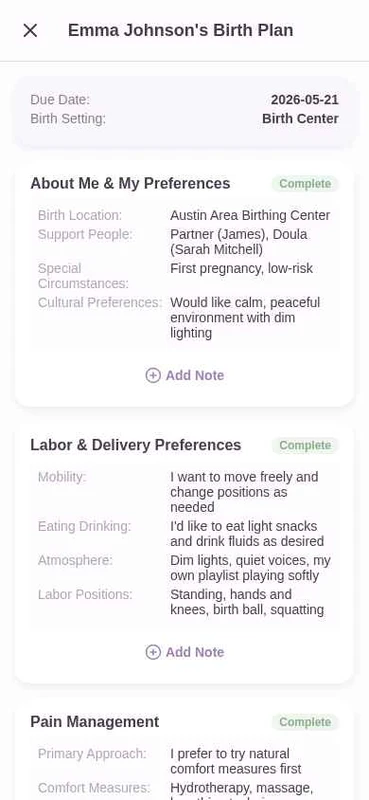
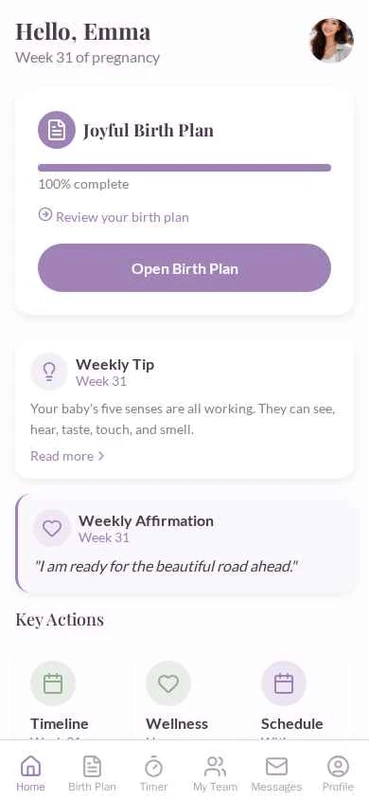
Not every provider follows the exact same timeline, and some steps can be adjusted based on your baby's condition. If you want to discuss any of these ahead of time, a birth plan is the right place to do it. You can start building yours with our free Joyful Birth Plan template.

Is the Vitamin K Shot Really Necessary?
This is one of the most common questions I get from expectant parents. The short answer is yes. Vitamin K deficiency bleeding (VKDB) is uncommon, but when it happens, it can be life-threatening. The condition is entirely preventable with the vitamin K injection given at birth.
Some parents worry about the injection itself or about preservatives in the vaccine. These are fair questions to bring to your provider. But the risk of skipping the shot is far greater than the discomfort of a single injection. I always tell my clients: ask your questions, get the answers you need, but do not skip this one.
If you want more detail on how to talk through this with your care team, the birth partner guide has a section on how to ask informed questions during prenatal visits.
What About the Eye Ointment? Can We Decline It?
The eye ointment is intended to prevent ophthalmia neonatorum, a form of blindness that can result from exposure to gonorrhea or chlamydia during vaginal delivery. In the U.S., most states require it by law, regardless of the mother's infection status.
Some parents ask about declining it. I encourage them to start that conversation early with their provider so there is time to understand the state-specific requirements and weigh the options. If you are planning a hospital birth in Texas, our doula support in Houston, TX team can help you navigate the local policies around this.
The ointment does sting the baby's eyes temporarily. It is not pleasant to watch, but the tradeoff is worth it for the protection it provides.
State law check: In most U.S. states, eye ointment is required by law regardless of the mother's infection status. Starting the conversation with your provider early gives you room to weigh state requirements against your preferences before delivery day.
How Important Is Delayed Cord Clamping?
Delayed cord clamping means waiting 30 to 60 seconds (or longer, depending on your provider) before clamping and cutting the umbilical cord. ACOG and the AAP both support this practice for healthy term and preterm infants.
The benefit is straightforward: the baby receives additional blood from the placenta, which increases iron stores and blood volume. For preterm infants, the benefits are even more pronounced, including better circulatory stabilization and reduced need for transfusions.
In most hospital settings, delayed cord clamping is now standard. But it is worth confirming with your provider that they will honor this if you want it. If your birth plan includes this preference, make sure it is clearly stated.

What Newborn Screening Tests Are Done and Why?
Every state in the U.S. has a newborn screening program. The tests check for metabolic, endocrine, hemoglobin, and other genetic conditions. Early detection means early treatment, which can prevent serious complications including developmental delays, organ damage, or worse.
The screening involves a heel prick to collect a few drops of blood onto a special card. It is typically done after 24 hours of life, though some hospitals do it earlier. The blood spot is sent to a state lab, and results are shared with your pediatrician.
The CDC states that newborn screening identifies about 12,000 babies with serious conditions each year in the United States. These are not optional tests â they are a standard of care recommended by the AAP and mandated by state law.
If you are in Arizona and want to know more about local newborn screening protocols, our doula support in Phoenix, AZ team can connect you with providers who explain the process in detail.

Can I Decline Any of These Procedures?
Yes, parents have the right to decline or delay any procedure. Informed consent means your provider should explain the risks and benefits, and you have the right to say no or to ask for more time to decide. This is a core principle of medical ethics and patient autonomy.
That said, declining a standard procedure can have consequences. If you are considering saying no to something like the vitamin K shot or eye ointment, I recommend having a detailed conversation with your provider ahead of time. Write your questions down, bring your partner or support person, and make sure you understand the "why" behind each recommendation.
The goal is not to refuse everything or accept everything blindly. The goal is to make choices you feel confident about. A well-prepared birth plan helps you communicate those choices clearly to your care team.
Your birth partner plays a specific role during these procedures. They can ask questions on your behalf, take notes, help you remember what was discussed, and advocate for your preferences when you are focused on holding your baby. The birth partner guide covers this in detail, including scripts for what to say when a procedure is being recommended and how to request a pause if you need more time to decide. In the immediate postpartum period, your partner can also help by staying close, offering water, and making sure the care team knows about any preferences you have discussed. Families delivering in Illinois can see how doula support in Chicago, IL fits into a hospital birth team. If you are preparing your partner for what to expect, our doula support in Denver, CO team offers workshops that walk partners through the hospital routine step by step.
| Procedure | Standard? | Legally required? | Right to decline |
|---|---|---|---|
| Vitamin K injection | AAP standard | No | Yes — discuss risks first |
| Eye ointment | Standard | Yes, in most states | Yes — check state law |
| Newborn screening panel | CDC/AAP standard | Yes, by state law | Generally no — standard of care |
| Hepatitis B birth dose | CDC recommended | No | Yes |
| Delayed cord clamping | ACOG/AAP recommended | No | Yes — state your preference |
| Immediate skin-to-skin | AAP recommended | No | Yes |
What Should I Include in My Birth Plan for Newborn Procedures?
A birth plan for newborn procedures does not have to be long. A few clear statements go a long way. Here is what I recommend including:
- Your preference for skin-to-skin contact immediately after birth
- Whether you want delayed cord clamping and for how long
- Your stance on the vitamin K injection and eye ointment (accept, decline, or discuss first)
- Whether you want the newborn screening tests done at the standard time or delayed
- Your preference for breastfeeding support in the first hour
- Any religious or cultural considerations around newborn care
Keep the language respectful and collaborative. The care team is more likely to read and honor a plan that acknowledges their expertise while clearly stating your preferences.
For a ready-to-use template that covers all of this and more, see our birth plan template.
Visual note: A birth plan is a communication tool, not a contract. The care team appreciates clear, respectful preferences. Keep it concise, discuss it during a prenatal visit, and bring a copy to the hospital.
Frequently Asked Questions
Are newborn procedures the same at every hospital?
Not exactly. Most hospitals follow the AAP and ACOG guidelines for routine newborn care, but policies can vary by facility, state law, and individual provider. Some hospitals have more flexible protocols around things like eye ointment timing or vitamin K administration. It is worth calling your specific hospital and asking what their standard practices are before your due date.
Can I hold my baby while these procedures are happening?
In most cases, yes. Immediate skin-to-skin contact is the standard recommendation, and many procedures can be done while the baby is on your chest. If you want to delay any step, say so clearly in your birth plan and confirm it with your provider during labor.
What if my baby needs medical attention right after birth?
If there are concerns about your baby's breathing, heart rate, or overall condition, the care team will prioritize medical intervention. In those situations, the standard newborn procedures may be delayed or adapted. This is not a failure of your birth plan. It is the team doing their job to keep your baby safe.
Do I have to accept the hepatitis B vaccine at birth?
No. The hepatitis B vaccine at birth is recommended by the CDC but it is not mandatory. You can decline it or delay it. Discuss your questions with your pediatrician so you have the information you need to make a decision you are comfortable with.
How do I know if a procedure is truly optional or required by law?
Ask your provider directly. Some procedures, like eye ointment, are required by state law in most states. Others, like the vitamin K shot, are strongly recommended but not legally mandated. Knowing the difference helps you make informed choices.
What if I change my mind during labor?
That is completely fine. Birth plans are guides, not contracts. If you decide during labor that you want to accept a procedure you previously declined, or vice versa, you can communicate that to your care team at any time. The best birth plan is one that leaves room to adapt.
If you are still building your plan, our free Joyful Birth Plan template walks you through every decision step by step. And if you want more on what to pack for the hospital, check out our hospital bag checklist for the full list of essentials.
For families in Texas, our Texas birth support hub connects you with doulas and resources across the state. And if you are in Arizona, our Arizona birth support hub has the same for families in that region.
You are allowed to ask questions. You are allowed to take your time. You are allowed to be the expert on your own body and your own baby. That is what informed choice looks like.
Written by Shelbi Kohler