August 10, 2026
Best Pregnancy Pillow: How to Choose One
The best pregnancy pillow depends on how you sleep. Learn what to look for, the types that work, and how to use one for back and hip pain.

The Pillow That Changed My Sleep During Pregnancy
When I was pregnant with my third baby, I could not sleep. It was my hips. One side would ache, my lower back would scream when I rolled over, and I spent half the night stacking regular pillows into a makeshift wedge that never held its shape.
I went through four pillows before I found one that actually helped. The right pregnancy pillow made the difference between functioning and barely getting through my days.
If you are deep into your second or third trimester and your pillow setup has stopped working, you are in the right place. I am going to break down what actually matters when choosing the best pregnancy pillow for your body and sleep style, based on what I have seen work for hundreds of clients and what I personally tested during my own pregnancies.
Why Do Regular Pillows Stop Working During Pregnancy?
During pregnancy, your body changes in ways that most standard pillows were never designed to accommodate. Your center of gravity shifts forward. Your ligaments soften thanks to the hormone relaxin. Your growing belly puts pressure on your lower back, hips, and round ligaments.
Side sleeping becomes non-negotiable by the second trimester. But keeping your hips stacked, your spine aligned, and your belly supported at the same time is almost impossible with regular pillows. They flatten out, they slide away, and they wake you up at 2 a.m. when your knees bonk together.
A purpose-built support pillow for pregnancy addresses all of these issues by giving your body a framework that stays put.
Which Pregnancy Pillow Type Is Right for You?
Not all pregnancy pillows are the same, and the best one for you depends on how you sleep and where you feel the most discomfort.
C-shaped pillows wrap around your body with the curve supporting your belly and the long side running along your back. They give you front and back support simultaneously, which can be a game-changer for side sleepers dealing with both belly weight and lower back pain. These tend to be large, so they work best if you have room to stretch out.
U-shaped pillows are the full-body version. They wrap around both sides of you, supporting your belly, back, and knees all at once. If you toss and turn between sides, a U-shape can be helpful because you do not have to reposition the pillow when you flip. Some people find them too warm, especially in the later months.
Wedge pillows are compact, firm, and surprisingly versatile. You can tuck one under your belly, behind your back, or between your knees. They are great for targeted support and are much easier to travel with than a full-length pillow. If your main issue is round ligament pain or hip pressure on one side, a wedge can do a lot of work without taking over the entire bed.
Full-length straight pillows run the length of your body. They are designed to keep your spine aligned from neck to ankle. You place one between your knees and hug another under your belly. The drawback is that it takes two separate pillows to get full coverage, and shifting in your sleep can leave gaps in your support.
What Should You Look For and How Should You Use It?
After testing dozens of pillows, both for myself and for recommendations I make to clients, here are the features that actually matter.
Fill material. Memory foam molds to your body and provides firm, consistent support. Microbead fill is lighter and more adjustable if you move around a lot. Polyester fiber fill is the most affordable option but tends to flatten over time. If you run warm at night, look for pillows with cooling gel-infused foam or breathable covers. Overheating during sleep is a real concern in the second and third trimesters, and a pillow that traps heat will make it worse.
Cover fabric. You want a removable, washable cover. Pregnancy pillows get sweat, and some get a little leaky in the third trimester. A pillow with a zip-off cover that goes in the washing machine is far more practical than one you have to spot clean.
Size and shape for your bed. A massive U-shaped pillow is not the best choice if you sleep in a twin bed. Be realistic about your sleeping space. Some of the pregnancy pillow best rated models come in smaller sizes designed for twin frames.
Adjustability. Some higher-end pillows allow you to remove or add fill so you can customize the firmness and shape. This is a nice feature if your needs change throughout pregnancy or if you plan to use the pillow postpartum while nursing.
Now for the practical part. Having the pillow is one thing. Using it correctly makes all the difference.
For lower back pain, place a C-shaped or wedge pillow so it fills the gap between your lower back and the mattress. You do not want to arch into the pillow. Think of it as light support that keeps your spine in a neutral position.
For hip pain, which is one of the most common complaints I hear from pregnant clients, put a firm pillow between your knees and ankles when you are lying on your side. This keeps your pelvis aligned and reduces the pulling sensation on your hip joints. A wedge under the top leg can add extra relief if one hip bears more pressure than the other.
For round ligament pain, which often feels like a sharp ache on one or both sides of your lower belly, try placing a small wedge or rolled towel just under your bump. You want to cradle the weight, not push it upward.
Pairing the right pillow with the positioning strategies I cover in my labor pain management guide can set you up with habits that carry into labor and delivery as well. Learning to use your body efficiently with support tools now pays off later.
Can a Pregnancy Pillow Actually Improve Your Sleep?
Short answer: yes. A study published in the Journal of Clinical Sleep Medicine found that pregnant women who used a full-body support pillow reported significantly better sleep quality and reduced nighttime waking compared to those using standard pillows.
Better sleep during pregnancy is not a luxury. It is directly tied to blood pressure regulation, stress hormone management, and even labor outcomes. Research from the University of California, San Francisco, has linked poor sleep in the third trimester to longer labors and a higher likelihood of cesarean delivery. I cover the connection between rest and birth outcomes in my benefits of having a doula, because so much of what a doula does during labor mirrors the comfort strategies you build at home.
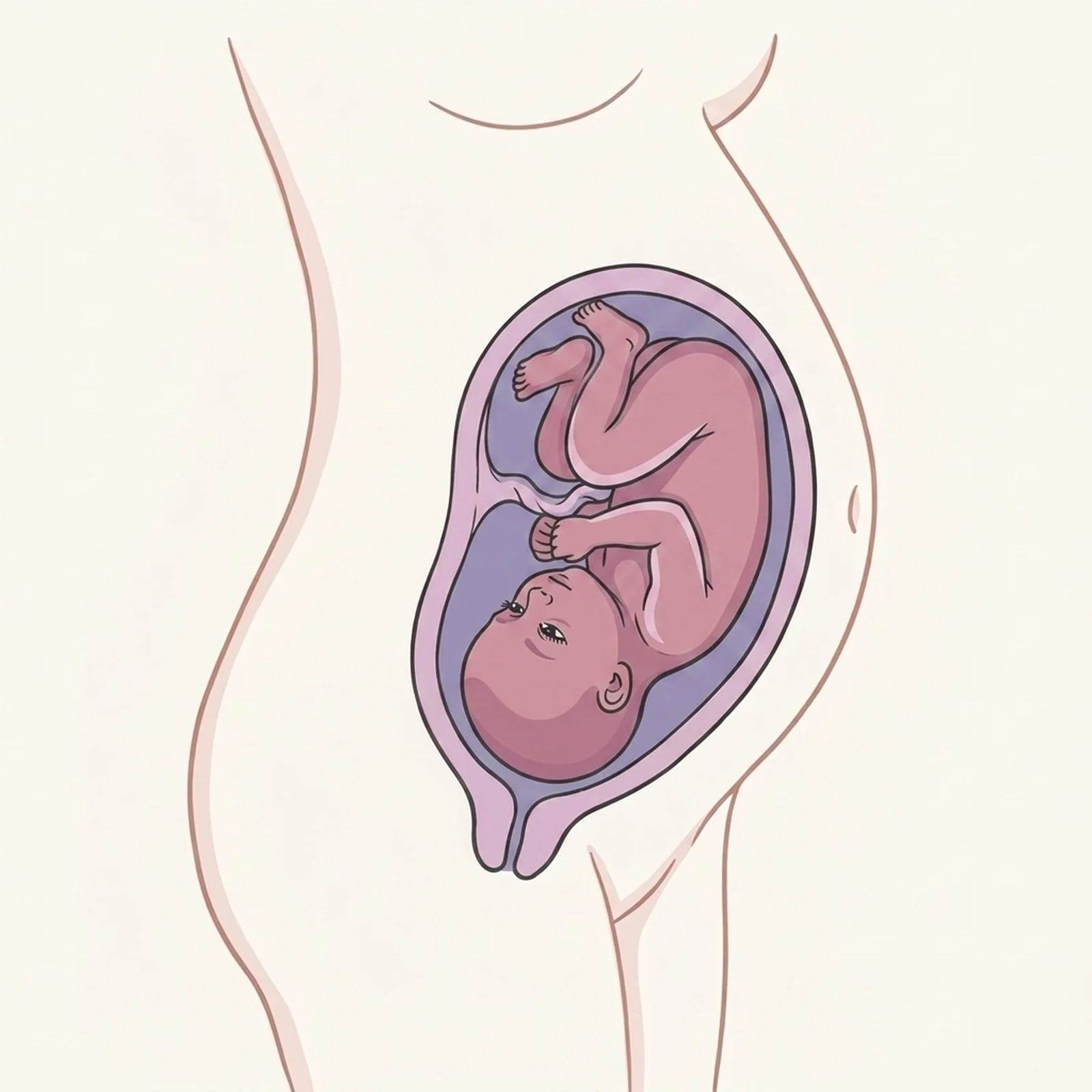
If you are investing in a good pillow, you are not being indulgent. You are being strategic about your health and your baby's.
What Are the Top Picks and How Do They Fit Your Birth Plan?
I do not have a sponsorship arrangement with any pillow brand. These are the pillows I have seen the most success with among my clients in Austin and Denver, and the ones I personally reached for during my own pregnancies.
For side sleepers with hip pain: A firm wedge pillow between the knees paired with a C-shaped wrap around the belly. This two-pillow system consistently gets the best feedback from my clients dealing with symphysis pubis dysfunction.
For back sleepers transitioning to side sleep: A U-shaped pillow that provides full-body support and prevents you from rolling onto your back during the night.
For travel or naps on the couch: A compact wedge pillow. It fits in a bag and gives you targeted support wherever you end up sleeping.
For hot sleepers: Look for pillows with breathable bamboo covers and gel-infused memory foam. One of my clients in Denver swore her cooling pillow was the only reason she slept through a Colorado summer while eight months pregnant.
This might sound like a stretch, but how you sleep in the weeks leading up to your birth matters. The positions you practice with a pregnancy pillow are the same positions that help labor progress. Side-lying with a pillow between your knees is one of the most recommended resting positions during labor, and if your body is already used to it, the transition is smoother.
I always encourage my clients to bring their favorite pillow to the hospital or birth center if the facility allows it. Familiar comfort tools can reduce stress hormones during labor, which directly supports the labor process. If you are putting together your birth plan template, consider adding a note about bringing your own pillow. It is a small detail that makes a real difference.
For families planning a home birth, sleep positioning becomes even more relevant because your bedroom may double as your labor space. Setting up your sleep environment well in advance means one less thing to think about when contractions start.
What Should You Remember About Pregnancy Pillows?
Choose a pillow shape that matches your primary sleep position and the areas where you feel the most discomfort. Look for a removable, washable cover and fill that provides firm support without overheating. Use the pillow consistently starting in the second trimester so your body adapts to supported side sleeping before it becomes essential. And do not underestimate the value of bringing your pillow to your birth setting.
If you are working with a doula, ask her for personalized positioning recommendations during your prenatal visits. If you are looking for a doula, understanding the differences between a doula and a midwife can help you build the right support team for your birth. Doulas are trained in physical comfort techniques that pair perfectly with the sleep strategies you are building now.
For families in Texas, you can find local support through our Texas birth support resources. If you are in Colorado, our Colorado birth support hub has doula and childbirth education listings across the state. Specific cities I often work with include Austin, TX and Denver, CO.
Frequently Asked Questions About Pregnancy Pillows
What is the best pregnancy pillow for hip pain? A firm wedge pillow placed between the knees and ankles is widely considered the most effective option for hip pain during pregnancy. Full-body C-shaped and U-shaped pillows also provide hip support by keeping the pelvis aligned. Look for a pillow with dense fill that does not compress flat under your weight.
When should I start using a pregnancy pillow? Most women benefit from switching to a dedicated support pillow around 20 weeks, when side sleeping becomes more important and belly weight starts affecting the lower back and hips. However, if you are experiencing discomfort earlier, there is no reason to wait.
Is it safe to sleep on my back with a pregnancy pillow? After the first trimester, sleeping on your back is generally not recommended because the weight of the uterus can compress the inferior vena cava, reducing blood flow. A pregnancy pillow can help keep you positioned on your side, which is the safer option. If you find yourself waking on your back, a U-shaped pillow can gently prevent that.
Can I use a regular pillow instead of a pregnancy pillow? You can try, but regular pillows tend to lose their shape and shift during the night. They also do not provide the same level of targeted support for the belly and lower back. A purpose-built pregnant woman sleeping pillow is designed to address the specific pressure points that develop during pregnancy.
How do I clean my pregnancy pillow? Always check the manufacturer's instructions, but most pregnancy pillows have removable, machine-washable covers. The inner fill may be spot clean only or fully washable depending on the material. Having a removable cover is one of the most important features to look for when shopping.
Will a pregnancy pillow help me sleep better after the baby is born? Many women continue using their pregnancy pillow postpartum, especially while nursing. The support it provides for side-lying nursing positions and general back support makes it useful well beyond pregnancy. If you invest in a quality pillow, it can serve you for months after birth.
Do I need a pregnancy pillow if I already have a good mattress? A supportive mattress helps, but it cannot replace the targeted support a pregnancy pillow provides for your belly, back, and knees. The two work best together. Think of the mattress as the foundation and the pillow as the fine-tuning.
Written by Shelbi Kohler