August 10, 2026
Breathing Methods for Labor: What Works
Breathing methods for labor explained by a doula. Learn slow breathing, patterned breathing, and Lamaze techniques to help through contractions.

Breathing Methods for Labor: What Works
If you're pregnant and thinking about how you'll cope with contractions, you've probably heard that "just breathe" is the go-to advice. But here's the thing: nobody hands you a manual for which breathing methods for labor actually work when the intensity ramps up.
I'm Shelbi, a birth doula and mom of seven. I've sat beside dozens of laboring people, and I can tell you that breathwork is one of the most practical tools in your toolbox. It won't erase the intensity, and it's not a cure-all. But the right breathing techniques for labor can genuinely help you stay grounded, manage discomfort, and feel more in control when your body is doing something extraordinary.
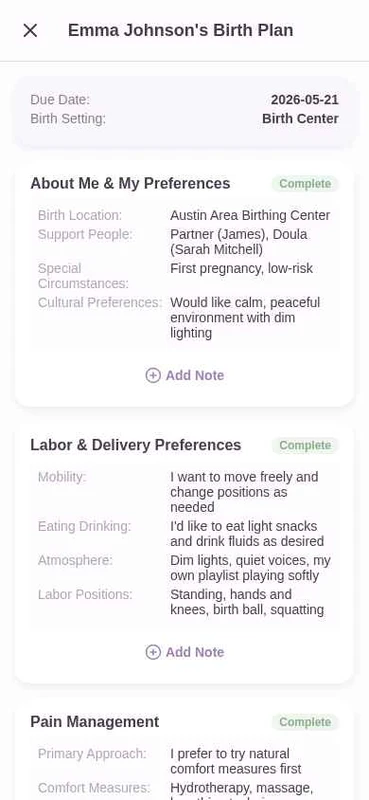
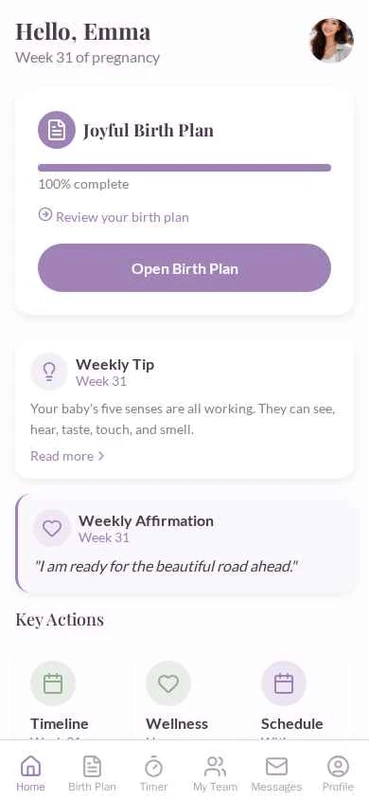
Before we dive in, I want to be clear: there is no single "right" way to breathe through labor. What works for one person may feel awkward for another. That's why I encourage every client to explore a few different approaches during pregnancy so they can find what clicks. A great starting point is downloading your free Joyful Birth Plan, where you can note your preferences for comfort measures including breathing.
What Are the Most Common Breathing Methods for Labor?
There are several well-known breathing approaches that doulas and childbirth educators teach. Each one serves a slightly different purpose, and many people combine them throughout labor as their needs shift. Let me walk you through the ones I recommend most often.
- Slow breathing – long, deep inhales and exhales used during early labor
- Patterned breathing – rhythmic breath counts that give your brain a focal point
- Lamaze breathing – the classic "hee-hee-hoo" technique rooted in the Lamaze method
- Candle breathing – a soft, focused exhale as though you're blowing out a candle
- 4-7-8 breathing – a relaxation technique borrowed from stress management
These are not rigid rules. They're options. And having options matters, especially when labor throws you a curveball.
How Does Slow Breathing Help in Early Labor?
Slow breathing is usually the first breathing technique for labor I teach my clients. During early labor, when contractions are milder and further apart, a slow inhale through the nose (counting to about four) followed by a longer exhale through the mouth (counting to six or eight) can help your nervous system shift out of fight-or-flight mode.
When you're stressed, your body releases cortisol and adrenaline. Those hormones aren't all bad, but in excess they can tighten muscles and increase your perception of pain. Slow, deliberate breathing activates the parasympathetic nervous system, which signals your body to relax. It won't eliminate contractions, but it can take the edge off.
I often tell clients to pair slow breathing with a hands-on technique like counter-pressure on the lower back or hip squeezes. The combination of focused breath and physical pressure gives the brain two things to process, which can reduce the intensity of what you're feeling.
What Is Patterned Breathing and When Should You Use It?
Patterned breathing simply means breathing in a set rhythm. The classic example is inhaling for a count of four, holding for two, and exhaling for four. Some people prefer shorter counts. The key is that the pattern gives your mind something concrete to latch onto.
During active labor, when contractions become longer and stronger, patterned breathing becomes especially useful. Your brain needs an anchor. Without one, it tends to spiral into anxiety or panic. A rhythmic breathing pattern acts like a metronome, keeping you steady.
In my experience supporting families in Austin, TX, and Denver, CO, I've found that patterned breathing works best when practiced ahead of time. If someone has never tried it before, the first contraction is not the ideal moment to figure it out. Rehearsing during pregnancy, even for five minutes a day, builds muscle memory.
For families seeking birth support in Austin, TX or labor support in Denver, CO, I always suggest adding a breathing practice to the prenatal prep checklist. It's simple, free, and effective.
Is Lamaze Breathing Still Relevant?
The short answer: yes, with a caveat.
Lamaze breathing, often called "hee-hee-hoo" breathing, was popularized in the 1960s as part of the Lamaze International method. It involves a series of short, light inhales ("hee, hee, hee") followed by a longer exhale ("hoo"). The technique was designed to prevent hyperventilation and give the laboring person a structured way to move through contractions.
Some people find Lamaze breathing incredibly helpful, especially during the transition phase of labor, when contractions peak in intensity. Others find the vocalization distracting or uncomfortable. That's totally fine. Lamaze breathing for labor is one tool among many, and it doesn't have to be your tool.
What I appreciate about the Lamaze approach is its emphasis on informed choice. The method encourages you to respond to your body's signals rather than follow a rigid script. If you're interested in the broader Lamaze philosophy, which includes relaxation, movement, and informed consent, you can read more in my post on labor pain management options.
What About Candle Breathing and 4-7-8 Breathing?
Candle Breathing
Candle breathing is simple and surprisingly effective. You purse your lips as if you're blowing out a candle and exhale slowly. The extended exhale triggers a relaxation response, and the pursed lips create a slight back-pressure that can feel grounding.
I often recommend candle breathing during pushing, when short, focused exhales can work with your body's natural urges. It's also useful during intense contractions when you need something quick and uncomplicated.
4-7-8 Breathing
This technique comes from Dr. Andrew Weil and was originally designed for stress reduction, not labor. The method involves inhaling for four counts, holding for seven counts, and exhaling for eight counts. The extended hold and exhale activate the vagus nerve, which promotes calm.
During pregnancy, 4-7-8 breathing can be a fantastic sleep aid and anxiety reducer. During labor, it works well in early to moderate stages but may feel too slow once contractions are very close together. If you find yourself needing faster-paced breathing, switch to something more rhythmic.
Does Breathing Actually Make a Difference?
This is a fair question, and I want to answer it honestly.
Breathing techniques for labor do not eliminate pain. They are not a replacement for medical pain relief, and I would never tell a client she "should" breathe through labor without an epidural if that's what she wants. What breathing does accomplish is meaningful, though.
A 2020 Cochrane review on non-pharmacological pain relief in labor found that breathing and relaxation techniques were associated with lower reported pain scores and higher satisfaction with the birth experience, though the quality of evidence varied. Outside of formal studies, in my own practice, the pattern is clear: clients who have practiced breathing techniques consistently report feeling more equipped and less overwhelmed during labor.
Breathing also has a practical benefit: it keeps oxygen flowing to your muscles and your baby. During a contraction, it's natural to tense up and hold your breath. That tension can increase discomfort. Controlled breathing breaks that cycle.
It's also worth noting that breathing methods for labor pair beautifully with other comfort measures. Position changes, water immersion, massage, and counter-pressure all work better when combined with intentional breathwork. If you're laboring without a partner or doula, self-directed breathing gives you an active role in your own comfort, which can reduce feelings of helplessness.
How Do I Choose the Right Breathing Method for Me?
Here's my honest advice: try several methods during pregnancy and see what feels natural.
Start with slow breathing as a baseline. It's the simplest and most versatile. Then experiment with patterned counts to see if your brain responds to structure. Practice Lamaze-style vocalized breathing if you're curious. Try candle breathing during a tense moment at work or 4-7-8 breathing before bed.
Pay attention to what your body does instinctively. Many people, when they're in pain or stressed, naturally take short, shallow breaths or hold their breath. Recognizing that pattern during pregnancy makes it easier to redirect it during labor.
I also recommend discussing your breathing preferences with your birth team. If you're working with a doula, she can walk through techniques with you during prenatal visits and remind you of them during labor when your thinking brain is less available.
Not sure whether a doula is right for you? You can read about the benefits of having a doula, or learn how a doula's role compares to other providers on our doula versus midwife page.
Frequently Asked Questions About Breathing Methods for Labor
Can breathing techniques really reduce labor pain?
Breathing methods won't eliminate pain entirely, but they can reduce your perception of it and help you cope more effectively. The key is consistent practice during pregnancy so the techniques feel second nature when labor begins.
When should I start practicing breathing techniques for labor?
Ideally, begin practicing during your third trimester, around 28 to 32 weeks. Even five minutes a day can build the habit. However, starting earlier is never a problem, and some of these techniques are useful for general stress management throughout pregnancy.
What if I forget my breathing technique during labor?
This happens more often than you'd think, and it's completely normal. A good doula or birth partner can prompt you. Many people also find that their body defaults to a natural breathing rhythm once they stop overthinking it. The point of prenatal practice is to make the technique familiar enough that you can fall back on it.
Is Lamaze breathing the same as hypnobirthing breathing?
No. Lamaze breathing uses structured rhythmic patterns, often with vocalization ("hee-hee-hoo"). Hypnobirthing relies on slow, deep relaxation breathing combined with visualization and self-hypnosis techniques. Both are valid approaches, but they feel quite different in practice.
What breathing technique is best for pushing?
Candle breathing, with its focused, controlled exhale, is often the best match for the pushing stage. Some providers also encourage open-glottis breathing, where you breathe steadily while bearing down rather than holding your breath and pushing forcefully. Discuss this with your provider and include it in your Joyful Birth Plan.
Do I need a doula to use breathing techniques effectively?
No. You can learn and practice every technique on your own or with a partner. However, having a doula who is familiar with your preferences can make a real difference in labor, especially when it comes to reminders and emotional support. For families in Texas and Colorado, see Texas birth support options or explore the Colorado birth support hub to find out more about working with a doula.
Can breathing methods for labor be used with an epidural?
Absolutely. Even if you plan to use an epidural, practicing breathing techniques beforehand is still valuable. Early labor often progresses more quickly than expected, and you may experience significant contractions before the epidural is in place. Breathing gives you something to do during that window.
Breathing methods for labor are one of the simplest, most accessible tools available to you. They cost nothing, require no equipment, and can be started today. Whether you plan an unmedicated birth or are keeping your options open, building a breathing practice into your prenatal preparation is one of the most practical things you can do for yourself and your baby.
If you're ready to start planning, grab your free Joyful Birth Plan and note your preferred breathing techniques alongside your other comfort measure preferences. And if you want hands-on support to rehearse these methods, reach out. I'd love to walk beside you through this.
Written by Shelbi Kohler