July 30, 2026
How to Be a Birth Partner: Labor Support
Learn how to be a birth partner with practical tips for supporting labor, from comfort measures to advocacy. Start your birth plan today.

If you are reading this, someone you love is preparing to give birth and they have asked you to be their birth partner. That is a big deal. They trust you to be their anchor during one of the most intense experiences of their life. Learning how to be a birth partner is not about having all the answers. It is about showing up prepared, staying calm when things shift, and being the person who remembers what they wanted when they are too focused on contractions to speak.
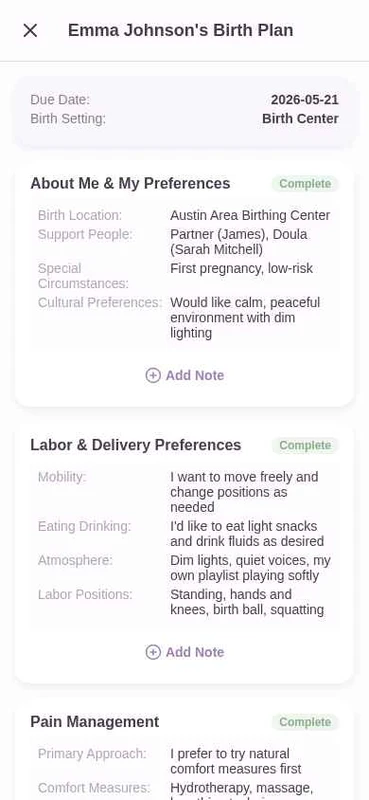
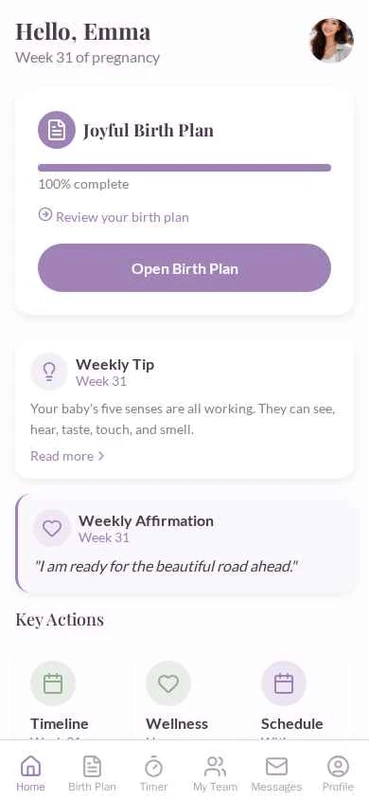
I have supported hundreds of births as a certified doula, and I have seen every kind of birth partner there is. The ones who do the best are not the ones with medical training or some special instinct. They are the ones who prepared ahead of time, understood their role, and stayed present. Whether you are a husband, partner, mother, sister, or best friend, this guide will walk you through exactly what to do before, during, and after labor. If you have not already, grab the Joyful Birth Plan so you and the birthing person are on the same page.
What Is a Birth Partner and Why It Matters
A birth partner is the person who stays with the birthing person throughout labor and delivery, providing physical comfort, emotional reassurance, and advocacy. You are not there to make medical decisions for them. You are there to make sure their voice is heard when they cannot speak for themselves.
The research on continuous labor support is clear. The Cochrane Review, which analyzed 26 studies involving over 15,000 women, found that continuous support during labor was associated with shorter labors, fewer cesarean sections, and less need for pain medication. That support does not have to come from a doula. A prepared birth partner can provide much of that presence.
Your role breaks down into three parts:
- Physical support: Counter-pressure, positioning, hydration, helping them breathe through contractions
- Emotional support: Reassurance, encouragement, staying calm so they can stay calm
- Advocacy: Speaking up for their preferences, asking questions of the medical team, remembering the birth plan
If you are wondering whether a doula and a birth partner serve the same purpose, they are complementary but different. A doula brings trained experience and an outside perspective. A birth partner brings a personal relationship and deep emotional connection. Many families hire both, and you can learn more about the benefits of having a doula to see if adding one makes sense for your situation.
How to Prepare Before Labor Starts
Preparation is where good birth partners are made. The work you do in the weeks before labor matters as much as what you do during it. Here is what to focus on.
Talk through the birth plan together. Sit down with the birthing person and read through their birth preferences line by line. Ask questions. What matters most to them? What are they flexible on? What would they want you to say if the doctor suggests an intervention that was not in the plan? If they have not written one yet, start with the free Joyful Birth Plan and work through it together.
Take a childbirth class. Most hospitals and birth centers offer classes covering the stages of labor, breathing techniques, and what to expect. Go together. The more you understand about the process, the less you will panic when things intensify.
Know the signs of labor. You need to recognize when labor is starting so you can respond calmly instead of scrambling. Read up on the signs of labor so you know the difference between early labor, active labor, and false labor. This knowledge keeps you from rushing to the hospital too early or waiting too long.
Pack the hospital bag together. Knowing where everything is means you are not digging through bags during a contraction. Walk through the hospital bag checklist together and make sure you know what is in there.
Tour the hospital or birth center. If your hospital offers tours, take one. Knowing where to park, where to check in, and where the labor and delivery unit is will save time and stress when labor starts. If you are in Austin, the Austin birth support guide covers local hospital policies. Families in Chicago can check the Chicago birth support guide for hospital-specific information.
How to Support Your Partner During Early Labor
Early labor can last hours, sometimes a full day for first-time moms. This is the phase where most birth partners either overreact or underreact. The goal is to help the birthing person rest, stay relaxed, and conserve energy.
Keep things normal. Do not start timing every contraction the moment the first one hits. Encourage normal activities. Eat a light meal if they are hungry. Staying relaxed in early labor keeps adrenaline low, which actually helps labor progress.
Time contractions when they become regular. Start timing when contractions are consistently 5 minutes apart, lasting about 60 seconds, and strong enough that the birthing person has to stop and focus. Before that, timing them creates unnecessary anxiety.
Encourage hydration and snacks. Offer water frequently. If they are hungry and it is still early labor, light snacks like toast, fruit, or broth are good options. Once active labor begins, most hospitals restrict food, so get calories in during early labor.
Help with positioning. Upright positions help labor progress. Encourage walking, swaying, leaning on a counter or birth ball. If they want to rest, side-lying with a pillow between the knees is comfortable and helps the baby settle into a good position.
Stay calm. They will look to you for cues. If you are anxious, they will feel anxious. If you are calm and steady, they will feel more grounded. This is the single most important thing you can do in early labor.
Comfort Measures for Active Labor
Active labor is when contractions become longer, stronger, and closer together. This is where your hands-on support matters most. These are the techniques I teach every birth partner.
Counter-pressure for back labor. If the birthing person is feeling contractions in their lower back, press firmly with the heel of your hand on their sacrum, the flat bone at the base of the spine. Use steady, firm pressure during each contraction. This relieves pressure significantly.
Hip squeezes. Place your hands on their hips and press inward and slightly upward during contractions. This opens the pelvis and can relieve pelvic pressure.
Use a birth ball. Have them sit on a birth ball and sway their hips. Stand behind them for support and apply back rubs or counter-pressure. Leaning over the ball on hands and knees helps with back labor.
Guide their breathing. Match their breathing during contractions. Slow, deep breaths in and out. If they start to panic or hyperventilate, bring your face close to theirs and breathe together. Eye contact and synchronized breathing are powerful tools.
Offer drinks and ice chips. Keep them hydrated between contractions. Offer lip balm. These small comforts matter more than you think when someone is deep in labor.
Change positions every 30 minutes. Movement helps labor progress and helps the baby navigate the pelvis. Suggest standing, squatting, hands and knees, or side-lying. Gently encourage a change if they are stuck in one position.
Apply cool or warm compresses. A cool washcloth on the forehead or neck feels amazing during hard labor. A warm pack on the lower back can ease back labor. Ask what they prefer and keep both options available.
How to Advocate at the Hospital
Advocacy is one of the most important parts of being a birth partner. When the birthing person is in active labor, they cannot easily process information or make decisions. That is your job.
Know the birth plan cold. You should be able to recite their preferences without looking at the paper. If they wanted to avoid an epidural, you need to know that. If they wanted delayed cord clamping, you need to remember to ask for it. Keep a copy in your bag and one in your phone.
Ask questions before consenting. If a nurse or doctor suggests an intervention, your default response should be: "Can you tell us more about that? What are the benefits and risks? What happens if we wait?" This buys time for the birthing person to process and gives them a voice in the decision.
Use the BRAIN framework. For any proposed intervention, ask:
- Benefits: What are the benefits of this?
- Risks: What are the risks?
- Alternatives: What are our alternatives?
- Intuition: What does the birthing person feel about this?
- Nothing: What happens if we do nothing right now?
Speak up, but stay respectful. You are not there to fight the medical team. You are there to make sure the birthing person's preferences are heard. A calm, firm "Can we discuss that?" goes further than being confrontational.
Remember the birth environment. Dim the lights. Ask people to lower their voices. Put on their playlist. These small adjustments help labor hormones flow and keep the room calm. If you are at a hospital in Denver, the Denver birth support guide covers local hospital policies that may affect your experience. You can also check our Colorado birth support hub for policies across the state.
What to Do During Pushing and Delivery
Pushing is the final stretch. Your role shifts from comfort to encouragement and presence.
Cheer them on. This is the moment for vocal encouragement. "You are doing it." "I can see the baby." "You are so strong." Hearing your voice gives them a final burst of energy.
Stay present. Do not look away or check your phone. This is the most intense moment of their life and they need to know you are right there.
Help with positioning. If they are pushing in a semi-reclined position, support their legs or hold their hand. If they want to push in a different position, like squatting or side-lying, help them get there.
Be ready for skin-to-skin. When the baby is born, help the birthing person get the baby on their chest for skin-to-skin contact. If they are unable to, you may be asked to do skin-to-skin yourself. Have your shirt ready.
Take photos. If the birthing person wants photos, be ready. Ask ahead of time what they want captured and what they do not. Some want the full moment documented, others want only after the baby is cleaned up.
Supporting Recovery After Birth
Your job does not end when the baby is born. The first few hours and days after delivery are a critical recovery period, and your support matters just as much.
Help with breastfeeding. If they are planning to breastfeed, encourage them and help them get comfortable. The first latch can be tricky. If things are not going well after the first few attempts, ask for a lactation consultant. Do not let frustration build. If you want to understand what skilled postpartum help looks like, read about what a postpartum doula does.
Manage visitors. The birthing person will be exhausted. Be the gatekeeper. If they do not want visitors, say so. Protect their rest.
Keep them fed and hydrated. Postpartum recovery requires calories and fluids. Bring water constantly. Arrange for meals. If family wants to help, ask them to bring food instead of visiting.
Watch for warning signs. Know the signs of postpartum hemorrhage, infection, and postpartum depression. If something seems off, do not wait. Call the nurse or doctor. Trust your gut.
Take care of yourself too. You cannot pour from an empty cup. Eat when you can. Rest when the baby rests.
Frequently Asked Questions About Being a Birth Partner
Can a birth partner replace a doula?
No, and they should not try to. A birth partner provides emotional connection and personal advocacy that a doula cannot replicate. A doula provides trained experience, comfort techniques, and an objective perspective that a birth partner cannot replicate. They work as a team. If you are considering adding a doula, our guide on how to choose a doula walks you through the process.
What if I faint at the sight of blood?
This is more common than you think. Be honest with the birthing person ahead of time. Tell the nursing staff when you arrive. Sit down if you feel lightheaded. Focus on the birthing person's face, not the medical procedures. You can still be an excellent birth partner without watching the clinical details.
Should I be in the room for a cesarean section?
In most planned cesareans and many unplanned ones, one support person is allowed in the operating room. If the birthing person wants you there, you should go. Your job is the same: stay calm, hold their hand, and be present. If it is an emergency cesarean under general anesthesia, you may not be allowed in, and that is okay. You will be there the moment they wake up.
How do I know when to call the doctor or go to the hospital?
This is why knowing the signs of labor ahead of time matters. The general rule is to call the doctor when contractions are 5 minutes apart, lasting 1 minute, for 1 hour. If the water breaks, if there is heavy bleeding, or if the baby stops moving, call immediately. When in doubt, call. No medical professional has ever been annoyed by a birth partner who called to check.
What if the birthing person gets angry at me during labor?
This is completely normal. Labor is intense and raw, and sometimes that intensity comes out as frustration directed at the nearest person. Do not take it personally. Do not argue back. Stay calm, keep your voice low, and keep supporting them. It passes. I have seen moms yell at their partners during transition and then cry with gratitude an hour later.
Being a birth partner is one of the most meaningful things you will ever do. You will not be perfect, and that is fine. The birthing person does not need perfection. They need you to show up, stay present, and care enough to prepare. Start by sitting down together with the Joyful Birth Plan and talking through what matters most to them. Everything else builds from there.
If you are looking for birth support in your area, our Texas birth support hub and guides for cities like Portland, OR and Seattle, WA cover local doulas, hospital policies, and costs near you.
Written by Shelbi Kohler