July 23, 2026
Hospital Bag Checklist: What to Pack for Labor
What to pack in your hospital bag for labor? Get a complete checklist of essentials for mom, partner, and baby plus what to leave at home.

Wondering what to pack in your hospital bag for labor? You're not alone. This is one of the most common questions I get from first-time moms around 34 to 36 weeks. The anxiety of forgetting something important is real, but the truth is you need far less than you think.
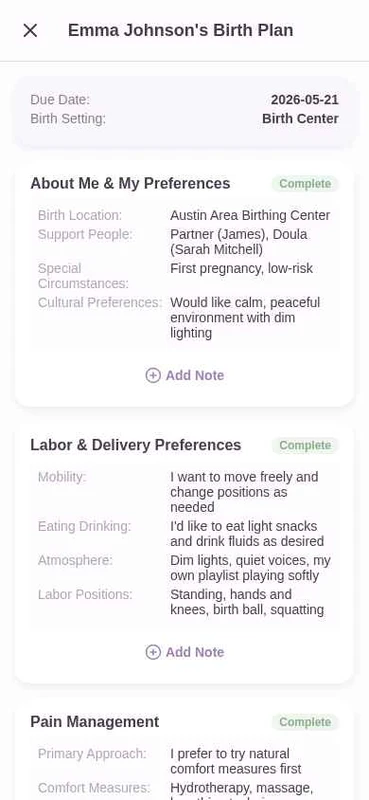
I've packed my own hospital bag seven times and helped hundreds of families prepare theirs. After a while, you learn exactly what matters and what gets left untouched in the corner of the room. This checklist covers everything you need for labor, delivery, recovery, and bringing baby home, plus what to skip. If you're still building your birth plan, grab the Joyful Birth Plan first so your preferences and your bag are on the same page.
What to Pack for Labor and Delivery
This is the core of your hospital bag, the items you'll reach for during active labor and immediately after delivery. Pack these items first.
- Comfortable labor clothes: A loose-fitting nightgown or an old t-shirt and shorts. Hospitals provide gowns, but many moms prefer their own. Dark colors hide stains.
- Slip-on socks or grip socks: Hospital floors are cold. You'll want socks that stay on when you're walking the halls during early labor.
- Hair ties and a headband: If you have long hair, you'll want it off your neck. Pack extras. They disappear fast.
- Lip balm: Hospital air is dry, and breathing through contractions dries out your lips. This is the item moms ask for most.
- Phone charger with a long cord: Outlets are never near the bed. A 10-foot cable solves this.
- Snacks and drinks: Labor is hard work. Pack electrolyte packets, honey sticks, crackers, or whatever sounds tolerable. Many hospitals restrict food during active labor, but you'll want something for after.
- Comfort items: A pillow from home with a colored pillowcase (so it doesn't get mixed up with hospital linens), a small blanket, or a photo that grounds you.
What to Pack for Your Birth Partner
Your partner or support person needs their own bag. They'll be there for hours, sometimes overnight, and a prepared partner makes a calmer room. If your partner is unsure how to help during labor, read my birth plan checklist for specific ways to prepare and offer support.
- Change of clothes: At minimum, a fresh shirt and underwear. Labor can be messy for everyone in the room.
- Toiletries: Toothbrush, toothpaste, deodorant. You'll both feel better after a quick freshen-up.
- Comfortable shoes: They'll be on their feet, walking with you, fetching things, and standing for hours.
- Snacks and water bottle: Hospital food runs on a schedule. Labor does not. Pack protein bars, nuts, or sandwiches.
- Phone charger: Their phone will be taking photos, updating family, and looking up timing apps.
- A small pillow: Hospital chairs and couches are not built for sleep. A pillow makes a real difference.
- Entertainment for early labor: Early labor can last hours with long stretches of waiting. A book, downloaded shows, or a card game helps pass the time without anxiety.
What to Pack for Postpartum Recovery
The postpartum stay is usually 24 to 48 hours for a vaginal birth and 2 to 4 days for a cesarean. Pack for comfort, not fashion. Your body will be sore, swollen, and healing.
- Loose, dark clothing: A loose robe, oversized underwear (the hospital provides mesh ones, but many moms pack their own), and a going-home outfit that's two sizes up from your pre-pregnancy clothes.
- Nursing bra or tank: If you plan to breastfeed, pack two. If you're unsure, a soft stretchy bralette works for both nursing and non-nursing moms.
- Postpartum care items: The hospital provides pads, peri bottles, and ice packs, but some moms prefer their own. Pack heavy-flow pads and witch hazel pads for comfort.
- Slip-on shoes or slides: You'll be shuffling to the bathroom and walking the halls to prevent blood clots. Bending to tie shoes is the last thing you want.
- A going-home outfit for you: Maxi dress, leggings, or sweatpants. Nothing with a tight waistband. Plan for looking about five months pregnant when you leave.
What to Pack for Baby
Hospitals provide most of what your newborn needs during the stay, but you'll need a few items for the ride home and those first photos.
- Two going-home outfits: One newborn size and one 0-3 month size. You won't know baby's exact size until they arrive. One-piece outfits with zippers are easiest.
- Seasonal layers: A light blanket or sweater if it's cold. A thin cotton onesie if it's warm. Don't overdress baby for the car ride.
- Car seat: This is non-negotiable. Install it and have it checked before you go to the hospital. Many fire stations and hospitals offer free car seat inspections.
- Receiving blankets: Two or three. Hospital blankets work fine, but many moms prefer their own for the going-home photo.
- Optional: a special outfit or hat: If there's something meaningful you want baby to wear, pack it. Just don't stress about it. Baby looks perfect in a hospital onesie too.
What NOT to Pack for the Hospital
Knowing what to leave at home is just as important as knowing what to bring. Every item in your bag is one more thing to carry and keep track of in a small room.
- Your entire wardrobe: You are not moving in. Two outfits for you is plenty. I've seen moms pack five outfits and wear the same hospital gown the entire stay.
- Expensive jewelry or valuables: Things get lost in the chaos. Leave anything you'd be upset to lose at home.
- A heavy laptop: If you must bring a device, a tablet is lighter and easier. You'll be too tired for real work.
- Diapers and wipes for the hospital stay: Hospitals provide these. You'll need them at home, not during the stay.
- A breast pump: Unless your provider specifically asks you to bring one, leave it. Hospitals have pumps if needed.
- Makeup and hair tools: Some moms want to look good for photos, and that's valid. But a full glam kit is overkill. If it matters to you, pack a tinted moisturizer and lip gloss. That's enough.
When Should You Pack Your Hospital Bag?
Pack your bag by 36 weeks. Babies don't follow schedules, and the last thing you want is to be throwing things in a bag between contractions. I've had clients go into labor at 35 weeks with nothing packed.
Keep your bag packed in a visible spot near the door or in the car. If you're planning a hospital birth, check your hospital's website for any specific items they provide or prohibit. Hospital policies vary. If you're looking for birth support in your area, our Austin, TX and Denver, CO guides include hospital-specific information that can help you plan.
For moms planning a home birth or birth center delivery, your packing list looks different. You'll need more supplies on hand. Read my home birth plan guide for a home-specific checklist.
Hospital Bag Tips From a Doula's Experience
After supporting hundreds of births, here are the tips I share with every client:
- Pack two bags, not one. A labor bag (small, easy to grab) and a postpartum bag (larger, stays in the car until after delivery). You don't need postpartum clothes during labor, and dragging everything into the room adds clutter.
- Label your bag. Hospitals have many patients. A luggage tag or a bright ribbon helps yours stand out.
- Use packing cubes or ziplock bags. Group items by category (labor, postpartum, baby, partner). When you're exhausted and searching for lip balm at 3 AM, you'll thank yourself.
- Have your partner pack their own bag. Don't pack for them. They need to know what's in there and where it is.
- Pre-register at the hospital. This isn't a bag item, but it saves 30 minutes of paperwork when you arrive in labor. Do it by 34 weeks.
- Take the hospital stuff home. Mesh underwear, peri bottles, pads, baby blankets, baby hats. They're included in your stay. Stock up.
If you're in a state with Medicaid doula coverage, like Texas or Colorado, your doula can help you finalize your bag list and even do a packing review during a prenatal visit. A doula who knows your local hospital can tell you exactly what's provided and what to bring.
Frequently Asked Questions
How many bags should I bring to the hospital?
Two is ideal. A small bag for labor essentials and a larger bag for postpartum and baby items. The larger bag can stay in the car until after delivery. This keeps your labor room clutter-free.
What do I wear during labor at the hospital?
Most moms wear the hospital gown during active labor because it's designed for monitoring and access. Some switch to their own loose clothing during early labor for comfort. Pack one option of each. Don't overthink it.
Can I eat during labor?
Hospital policies vary. Many allow clear liquids and light snacks during early labor but restrict food during active labor in case of anesthesia. Pack electrolyte drinks and light snacks for early labor and the postpartum period.
Should I bring my own pillow to the hospital?
Yes. Hospital pillows are thin and plastic-feeling. A pillow from home in a colored or patterned pillowcase (so staff knows it's yours) makes a big difference in your comfort and ability to rest.
What if I forget something important?
Almost everything you need is available at the hospital. If you forget toiletries, snacks, or clothes, the hospital gift shop or a quick delivery from family can fill the gap. The most important items, your ID and insurance card, should go in your purse or wallet, not the bag.
Packing With Confidence
Your hospital bag doesn't need to be perfect. It needs to have the essentials that make you comfortable and the items that help you feel prepared. The checklist above is what I've refined over seven births and hundreds of clients. Pack by 36 weeks, keep it simple, and focus on the items that matter: comfort, communication, and a plan for getting baby home safely.
Once your bag is packed, take time to review your birth plan one more time. Knowing your preferences for labor, pain management, and postpartum care is just as important as knowing what's in your bag. If you have questions about birth plans, check our FAQ page for answers to the most common concerns I hear from expecting moms.
Written by Shelbi Kohler