September 13, 2026
Cord Blood Banking: What Parents Should Know
Cord blood banking explained simply: public donation vs private storage, real costs, and when cord blood is actually used. Decide with confidence.

If you have just heard the phrase "cord blood banking" and are not sure what it means or whether it matters, you are not alone. Let me walk through it plainly. Cord blood is the blood left in the umbilical cord and placenta after your baby is born. It contains hematopoietic progenitor cells, which are blood-forming stem cells that can be used in transplants to treat certain cancers, blood disorders, and immune system conditions. Banking means collecting and storing that blood for future use, and the decision comes down to public donation versus private storage. Should you do it? That depends on your family's medical history, your values, and what you can afford. I am going to give you the facts so you can decide with confidence.
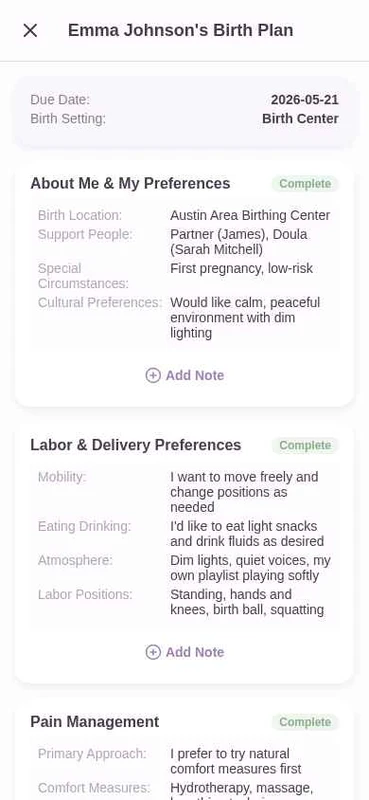
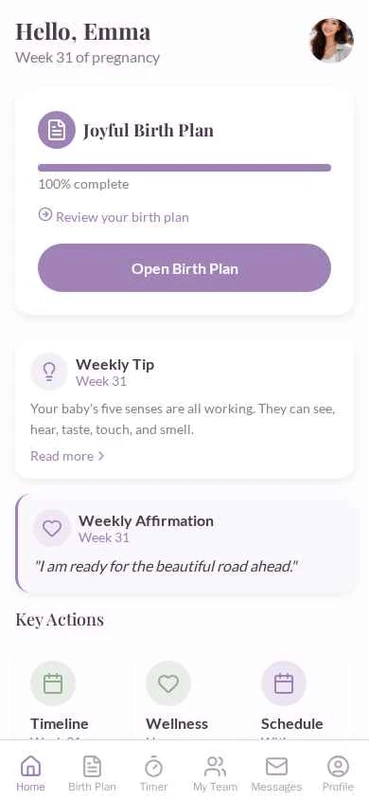
Before we go further, if you are in the early stages of building your birth plan, grab a copy of my free Joyful Birth Plan template. A cord blood decision belongs in that plan, and having it written down means you will not be making this choice for the first time while you are in active labor.
What Happens to Cord Blood If You Do Nothing
If you do not arrange for cord blood collection, it is discarded as medical waste. This is what happens in the majority of births in the United States. The cord is clamped and cut, the placenta is delivered, and the blood remaining inside does not get used for anything. That is the default. But if you want the option of using those cells later, you need to make a decision before labor begins, because collection happens in the minutes after birth and cannot be added on once you are mid-delivery.

Public Donation vs Private Storage
Public cord blood banking means donating your baby's cord blood to a public bank. It is listed on a registry, available to any patient who needs a stem cell transplant, and gone from your control. Donation costs you nothing. The collection process is the same as for private banking, and Be The Match (the National Marrow Donor Program) coordinates thousands of public cord blood units across the country. The The FDA licenses public banks as biological product manufacturers. Strict oversight. They must comply with current good tissue practice regulations, including donor screening and infectious disease testing.
Private banking works differently. You pay to store your baby's cord blood in a family bank for potential future use by your child or a close relative. Private banks charge an initial processing fee, typically between $1,500 and $3,000, plus annual storage fees of roughly $150 to $300. These are long-term costs. No bank guarantees anything. Not that the unit will ever be usable, not that the cells will remain viable for decades.
The American Academy of Pediatrics does not recommend private storage as "biological insurance" unless a family member has a current or potential need for a stem cell transplant. The American College of Obstetricians and Gynecologists reaches the same conclusion in its Committee Opinion. Routine private banking is not supported by available evidence. Public donation is the recommended route when parents want to store cord blood.
| Feature | Public Donation | Private Storage |
|---|---|---|
| Cost | Free | $1,500â$3,000 initial + $150â$300/year |
| Access | Listed on registry, available to any matching patient | Family-exclusive use |
| FDA oversight | Licensed as biological product manufacturer | Registered facility, less regulatory oversight |
| Recommended by AAP | Yes | Only if family member needs transplant |
| Collection process | Same as private | Same as public |
When Cord Blood Is Actually Used for Transplant
Cord blood transplants are real medicine. They treat blood cancers like leukemia and lymphoma, certain inherited metabolic and immune disorders, and some blood and bone marrow conditions. Established medicine, decades of use. A single unit can provide enough stem cells for a transplant in a child or smaller adult. And here is the part most people never hear. Cord blood HPCs are less mature than bone marrow cells, so they may require a less exact HLA match. More potential recipients. That matters for patients who never find an adult donor.
As a doula, I have watched families bank privately because a sibling had a diagnosed condition that might benefit from a transplant. Worth it in those cases. Sometimes the only case where it clearly is. In those cases, private storage can be medically appropriate and worth the cost. For most families, public donation gives those cells a chance to help someone in need. And it costs nothing.
The estimated lifetime probability of an individual developing an indication for autologous cord blood transplant ranges from 1 in 400 to 1 in 2,500, according to ACOG Committee Opinion No. 771. This is not a reason to dismiss banking entirely, but it is a reason to be honest about the odds rather than buying into the "insurance" framing that private banks lean on heavily.
| Odds at a glance | |
|---|---|
| Estimated lifetime chance a person develops an indication for their own (autologous) cord blood transplant | 1 in 400 to 1 in 2,500 |
| Private processing fee (one-time) | $1,500–$3,000 |
| Private annual storage fee | $150–$300/year |
| Cost of public donation | Free |
| Who can access a public bank unit | Any patient on the transplant registry |
What It Costs and What to Ask a Private Bank
If you are leaning toward private storage, ask two questions before you sign anything. What is the total first-year cost, and what is the annual storage fee going forward? Does the fee guarantee a set number of years, or does it escalate? What happens if the bank closes, and where exactly is the unit stored? Are the facility and processing laboratory accredited by AABB or the Foundation for the Accreditation of Cellular Therapy? The FDA requires private banks to register their facilities and comply with donor screening and infectious disease testing, but private banks are not regulated the same way public banks are for licensure.
One mother I worked with in Denver spent her first year of research comparing three banks. She asked each one whether they had ever released a unit for transplant, and what their policy was if the family moved or the annual fee became unaffordable. Two of the three could not give clear answers, and she ultimately chose not to bank privately. She told me later that asking hard questions gave her peace of mind.
Questions to ask a private bank before you sign: Has this bank ever released a unit for an actual transplant? Is the facility and processing lab accredited by AABB or FACT? What happens if the bank closes or the annual fee becomes unaffordable? Does the fee stay flat or escalate over time?
How Cord Blood Is Collected
Collection happens after the baby is born and the cord is clamped and cut. A healthcare provider or trained cord blood collection specialist draws blood from the umbilical vein into a collection bag. The process takes just a few minutes. Neither the mother nor the baby feels any different. No pain, no delay, no change to your birth plan. It does not interfere with immediate skin-to-skin contact or early breastfeeding, and it does not require any special intervention during labor.
The only thing that matters timing-wise is that you have made your decision and communicated it to your care team before you reach that moment. Putting it in your birth plan is the single most reliable way to make sure it happens.

Can Cord Blood Be Used for Regenerative Medicine
You will see private cord blood banks advertise regenerative medicine applications, including potential future uses for cerebral palsy, autism, hearing loss, and spinal cord injury. These are clinical trials, and none have yet produced established standards of care. ACOG is explicit on this point. There is no current evidence to support the use of autologous cord blood for regenerative medicine. I mention this because I think families deserve that distinction clearly stated. The cord blood your baby's cord contains today may treat a blood disorder tomorrow, but it is not a proven therapy for developmental or neurological conditions yet.
| Use | Status | Evidence |
|---|---|---|
| Blood cancers (leukemia, lymphoma) | Established transplant medicine | Decades of clinical use |
| Inherited metabolic and immune disorders | Established transplant medicine | Decades of clinical use |
| Cerebral palsy | Regenerative medicine claim | Clinical trials only — no standard of care |
| Autism | Regenerative medicine claim | Clinical trials only — no established evidence |
| Hearing loss / spinal cord injury | Regenerative medicine claim | Research stage — not proven therapy |
How to Find a Public Bank or Donation Site
Public cord blood donation is available at hospitals that participate in collection programs. Be The Match maintains a network of public cord blood banks and lists participating hospitals on their website. You can also check with your local public cord blood bank or blood center to see if your delivery hospital is a collection site. In my practice, I have helped families in Austin, TX and Portland, OR find participating hospitals, and I encourage anyone reading this to start that conversation at a prenatal visit. You can also explore the birth centers and hospital resources in Austin, TX or the Portland, OR birth support hub for local contact details, or check the broader state guides at Texas birth support or Colorado birth support.
If you live in Denver, CO, the Denver birth support guide includes information on local hospitals that participate in cord blood donation programs. And if you are in Seattle, WA, I point families to the Seattle, WA birth support page for a curated list of participating collection sites.
Not every hospital participates, and not every state has a public cord blood bank with active collection sites. The HRSA website has a searchable tool for finding public donation options by state and zip code. Starting there is a practical first step.
How This Decision Fits Into Your Birth Plan
Cord blood banking is not a one-time decision that exists outside your birth plan. It is a detail that your care team needs to know in advance, the same way they need to know your preferences for pain management, delivery positions, and newborn procedures. If you are planning a hospital birth, I recommend writing the cord blood choice into your plan alongside your other preferences. Add the cord blood section early so you can walk through the implications with your provider before delivery day.
Related reading on this topic: my hospital birth planning covers how to structure your full plan so every detail is accounted for, and newborn procedures after birth walks through the standard and optional interventions that may come up in those first hours. Cord blood collection falls in the gap between the two, because it is a birth-day decision that involves both your birth setting and the immediate minutes after your baby arrives.
Important: Cord blood banking is a birth-day decision that must be communicated to your care team before labor begins. Include it in your birth plan alongside your preferences for newborn procedures and delayed cord clamping.
Frequently Asked Questions
Is cord blood banking covered by insurance?
Most private insurance plans do not cover cord blood banking. Some employers offer it as a benefit, and a few state Medicaid programs cover it when there is a medically indicated family member who could use the cord blood. If your care team recommends directed donation for a sibling with a qualifying condition, check with your insurance provider and the cord blood bank about coverage and reimbursement options.
Can I donate cord blood if I deliver at a birth center or at home?
Public cord blood donation typically takes place in a hospital setting where the collection team can access the cord and placenta immediately after birth. Birth centers and home births can sometimes arrange donation, but the logistics depend on your specific location and whether a collection team can be there in time. Contact Be The Match or your local public cord blood bank early in pregnancy to ask about options outside a traditional hospital delivery.
What happens if I private bank and later decide to donate?
Once cord blood is stored in a private bank, it is generally not eligible for public donation. Private banks hold the unit for your family's exclusive use. This is why I encourage families to decide before labor and to communicate clearly with their care team and collection specialist.
Does delayed cord clamping affect cord blood collection?
ACOG recommends delayed umbilical cord clamping for at least 30 to 60 seconds in vigorous term and preterm infants, and cord blood collection should not compromise that practice. Most collection protocols are designed to work with delayed clamping. Let your provider know your cord blood preference and your delayed clamping preference at the same time so they can coordinate both.
Is there an age limit on who can use stored cord blood?
The cord blood unit itself does not expire as long as it remains in cryogenic storage. What matters is whether the stored cells are still viable and whether the unit provides a sufficient cell dose for the patient, which depends on the recipient's size. Stem cells from a cord blood unit collected years ago remain usable under proper storage conditions.
Can siblings use a sibling's banked cord blood?
Yes, first- and second-degree relatives can use cord blood stored in a private bank, and this is the scenario most private banks design for. The closer the HLA match between donors and recipients, the better the transplant outcome, and sibling matches are more likely than unrelated matches in the public registry.
Final Thoughts
Cord blood banking is a decision you can make with clarity when you have the right information. Whether you choose public donation, private storage, or neither, the important thing is that the choice is informed and intentional. I have walked through this decision with hundreds of families over my years as a doula, and the ones who feel best about their choice are the ones who asked hard questions, weighed the real odds, and made a plan they could hold onto during a fast-moving labor.
If you want to build your birth plan with cord blood, newborn procedures, and every other detail organized in one place, start with my free Joyful Birth Plan template. It walks you through each section with the questions that matter, and it gives you a document you can bring to your provider, your birth team, and your hospital to make sure your voice is heard on delivery day.
Written by Shelbi Kohler