June 13, 2026
Choosing a Birth Setting: Your Options
A comprehensive guide to choosing between hospital birth and birth center, including the pros, cons, and ideal patient profiles for each setting.
Why Your Birth Setting Matters More Than You Think
When I sit down with families for the first time, the conversation almost always circles back to the same question: where should I give birth? It is one of the earliest and most impactful decisions you will make during pregnancy — and honestly, one of the most personal. There is no single "right" answer. The best setting for your birth is the one that aligns with your medical needs, your values, and the kind of support you want around you.
I have supported families in hospital rooms, birth centers, and homes, and I can tell you this: the environment you walk into shapes your experience in ways you might not expect. The lighting, the sounds, who walks through the door, how much autonomy you feel — all of it matters. This guide walks through the real, practical differences between delivering in a hospital versus a dedicated birth center so you can make an informed decision that feels right for you.
Hospital Birth: What You Need to Know
Hospitals remain the most common birth setting in the United States, and for good reason. They offer the highest level of medical intervention available. If you have a high-risk pregnancy, want the option of an epidural, or need immediate access to a surgical team, a hospital is where you want to be.
The advantages are clear:
- NICU access — Most hospitals with labor and delivery units have a Level III or Level IV NICU on-site, meaning your baby can receive specialized care within minutes if needed.
- 24/7 anesthesia and surgical capability — If a C-section becomes necessary, the operating room is down the hall, not across town.
- High-risk pregnancy management — Maternal-fetal medicine specialists, continuous fetal monitoring, and IV medication options are standard.
- Insurance compatibility — Hospital births are almost universally covered by insurance, including Medicaid.
The trade-offs are real, too:
- Less autonomy over your environment — Hospital policies around monitoring, eating, movement, and visitor restrictions can feel rigid, even when they are evidence-based.
- Higher intervention rates — The cascade of interventions is well-documented. When you start with continuous monitoring and Pitocin, the path to an unplanned C-section can accelerate quickly.
- Shorter postpartum stays — Many hospitals discharge you within 24–48 hours if you and your baby are stable, which can feel rushed.
If you are planning a hospital birth, having a clear, written birth plan is non-negotiable. Grab the free birth plan template and walk in knowing exactly what you want — because in a busy hospital, your preferences need to be on paper to be heard.
Birth Center Birth: The Lower-Intervention Option
A freestanding birth center is a licensed, midwife-led facility designed for healthy, low-risk pregnancies. It is not a hospital, and it is not a home birth — it occupies a middle ground that many families do not even know exists until they start researching.
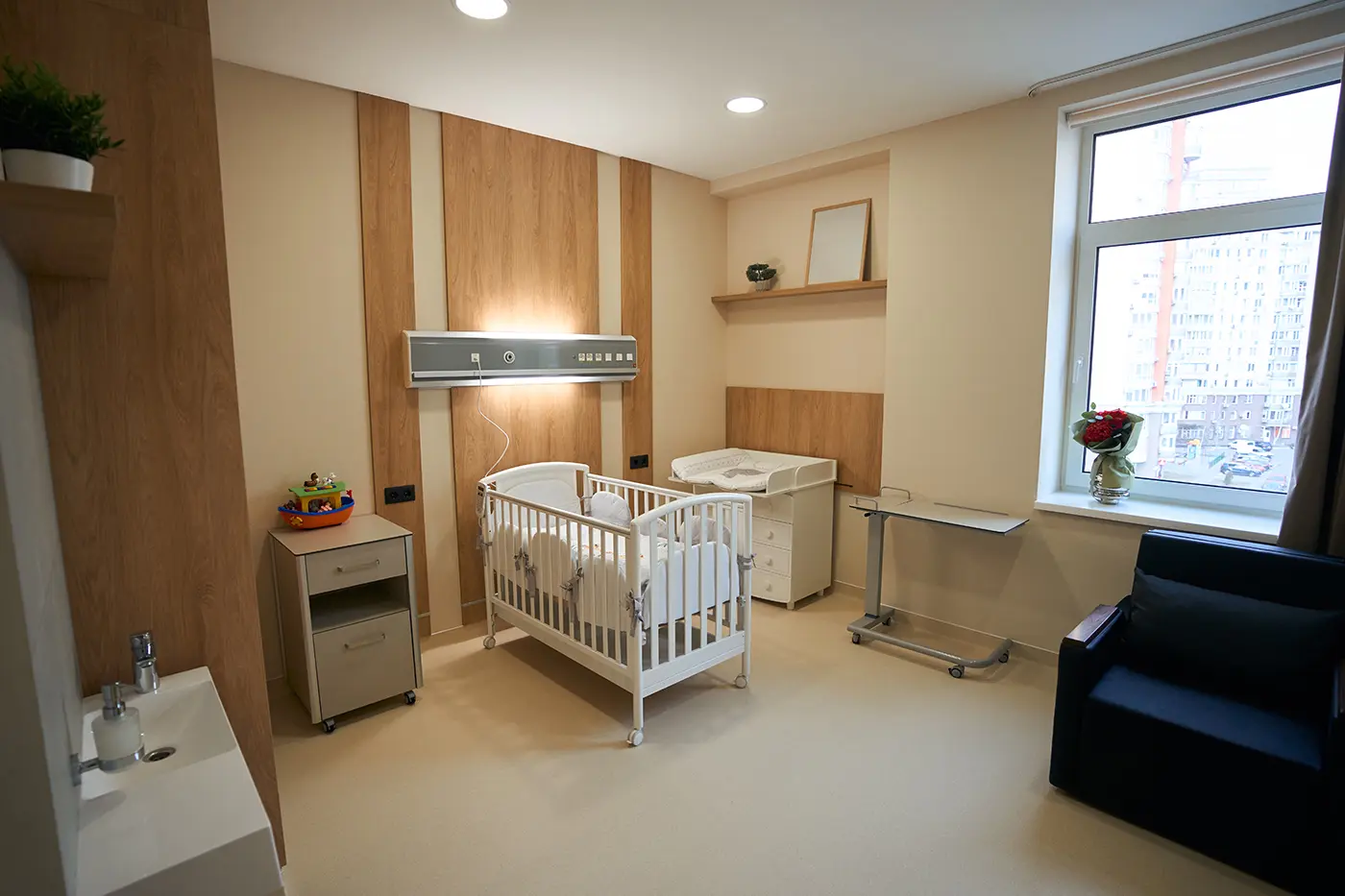
Birth centers prioritize physiological birth. That means your body leads the process, and interventions are the exception rather than the rule. The rooms often look like comfortable bedrooms — large tubs for water labor, adjustable lighting, space to move, and no beeping monitors.
What birth centers do well:
- Lower intervention rates — Studies consistently show significantly lower rates of C-section, episiotomy, and forced membrane rupture in birth center settings.
- Longer, more personal care — Prenatal appointments at a birth center often last 30–60 minutes. You build a relationship with your midwife, and that trust carries into the birth room.
- Cost — Birth center births typically cost less than half of an uncomplicated hospital birth, and many accept Medicaid.
- Postpartum support — Many birth centers offer extended postpartum visits, lactation support, and newborn screening on-site.
What to weigh carefully:
- No epidural — Birth centers do not offer epidurals or C-sections. If you want pain medication beyond nitrous oxide, you will need to transfer to a hospital.
- Transfer protocols — If complications arise, you transfer to a hospital by private car or ambulance. Most birth centers have transfer agreements with a nearby hospital, but the transfer itself takes time.
- Not for high-risk pregnancies — If you have gestational diabetes, preeclampsia, a breech baby, or other complications, a birth center is not the appropriate setting.
For a deeper comparison of these two settings, check out our birthing center vs. hospital breakdown that walks through the specific differences in medical support, comfort, and costs.
How to Decide: Questions to Ask Yourself
The decision between a hospital and a birth center is not just about risk tolerance — it is about what kind of experience you want and what your body needs. Here are the questions I walk through with every client:
- Is your pregnancy low-risk? If you have any complications or risk factors, a hospital is the safer choice. Your midwife or OB will help you understand your risk level.
- How do you feel about pain management? If you know you want an epidural, a hospital is your setting. If you want to labor without one, a birth center gives you the environment to do that.
- What does your insurance cover? Most insurance plans cover both settings, but call ahead and confirm. Many birth centers accept Medicaid under SB 750 in Texas, and HSA/FSA funds can often cover remaining costs.
- How close is the nearest hospital? If your birth center is 45 minutes from the nearest hospital, that transfer time matters. Ask about the center's transfer agreement and average transfer time.
- Who is on your support team? A doula can support you in either setting. Having someone who knows the space — whether that is a hospital L&D floor or a birth center birth suite — changes the experience entirely.
Want help thinking through these questions? The birth plan guide walks you through every preference, from pain management to postpartum care, so nothing gets left to chance.
What a Doula Brings to Either Setting
Here is something I want you to know: a doula supports you wherever you give birth. I have been at the bedsides of families delivering in Level III NICU hospitals and in the warm water tubs of freestanding birth centers. The setting changes, but the role does not.
In a hospital, I help you advocate for your preferences when the room gets busy, remind you of your options before interventions are offered, and provide continuous physical and emotional support when nurses change shifts. In a birth center, I work alongside your midwife, offer hands-on comfort techniques, and help you stay grounded and focused through the intensity of unmedicated labor.
The research is consistent: families who have continuous doula support have shorter labors, lower rates of C-section, and report higher satisfaction with their birth experience — regardless of the setting. Whether you are at Austin or Portland, local doulas understand the specific hospitals and birth centers in your area and can help you navigate each one.
Preparing for Either Setting: Your Birth Plan
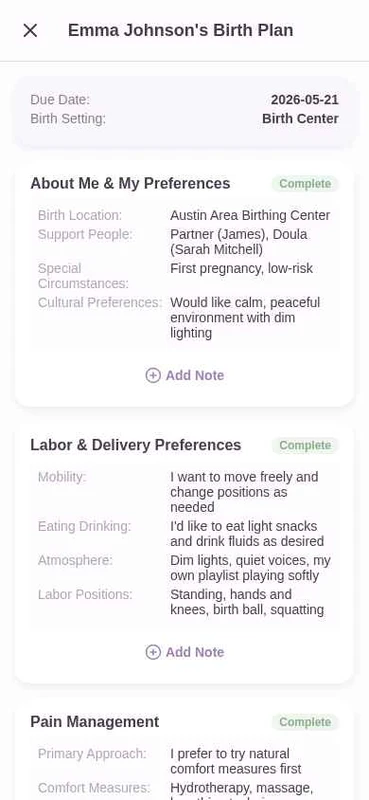
No matter where you deliver, a written birth plan is your voice in the room. It tells your care team what matters to you before you are in active labor and focused on the work of bringing your baby into the world.
For hospital births, your plan should address monitoring preferences, pain management, who you want in the room, and what happens immediately after birth — delayed cord clamping, skin-to-skin, feeding intentions. For birth center births, your plan should cover pain coping strategies, transfer preferences, and postpartum care.
I created the free birth plan template because I saw families walking into their births without anything written down and then feeling overwhelmed when decisions came fast. Do not let that be you. The template takes 15 minutes and covers everything from your first contraction to your first hours postpartum.
And if you want to go even deeper on what to include — your pain management preferences, who cuts the cord, how you want the room to feel — the detailed birth plan guide breaks it all down.
What If Plans Change?
One of the most important things I tell every family: your birth plan is a map, not a contract. Birth is unpredictable by nature, and the setting you choose is just the starting point.
If you start at a birth center and need to transfer, that is not a failure — it is the system working exactly as it should. Most birth center transfers are non-emergency and happen for reasons like prolonged labor or fatigue, not crisis. If you start at a hospital and end up needing a C-section, that does not mean your birth plan was pointless — it means you made informed decisions every step of the way.
The goal is not a specific outcome. The goal is walking into your birth feeling informed, supported, and confident that you understand your options. That is what thoughtful birth planning gives you.
Finding the Right Setting Near You
Birth settings vary dramatically by region. What is available in a major metro like Austin might not exist in smaller cities. And each state has its own licensing requirements, Medicaid coverage, and midwife regulations that shape your options.
Texas families can explore birth support options across the state to find hospitals, birth centers, and doulas in their specific area. If you are in the DFW metroplex, the Arlington and Arlington city pages break down every hospital and birth center with details on NICU levels, doula policies, and Medicaid acceptance.
The bottom line: choose the setting that aligns with your health, your values, and your vision for birth — then write it down, build your team, and walk in ready. You have got this.
Written by Shelbi Kohler