June 10, 2026
How to Find a Birth Center Near You
Find a birth center near you and learn what to look for. Compare birth centers vs hospitals, understand costs, and choose the right setting for your birth.
Let's talk about birth centers — because for many families, they're the perfect middle ground between the comfort of home and the security of a hospital. After working with families across both settings, I've seen how choosing the right birth environment can shape your entire experience.
A birth center is a healthcare facility designed for low-risk pregnancies that offers a more home-like environment than a hospital, staffed by midwives and nurses. Birth centers focus on physiologic birth — letting labor unfold naturally with minimal intervention — while still having protocols and equipment for emergencies.
One first-time mom in Portland chose a birth center after touring both a hospital and the center. She told me the difference was immediate: at the hospital, she felt like a patient being processed. At the birth center, she felt like a person having a baby. She ended up having a water birth, went home six hours after delivery, and said she couldn't imagine doing it any other way.
What Makes a Birth Center Different From a Hospital?
The biggest difference between a birth center and a hospital is the philosophy of care. Hospitals are designed to manage complications. Birth centers are designed to support normal, healthy birth.
At a birth center:
- Care is led by certified nurse-midwives (CNMs) or certified professional midwives (CPMs), not OB-GYNs
- You're encouraged to move freely, eat and drink during labor, and choose your delivery position
- Intermittent fetal monitoring is standard — you're not tied to a bed
- Hydrotherapy (tub or shower) is typically available and encouraged
- There are no routine interventions — no automatic IVs, no continuous monitoring, no scheduled cervical checks
- You'll typically go home 4-12 hours after birth (not 24-48 hours)
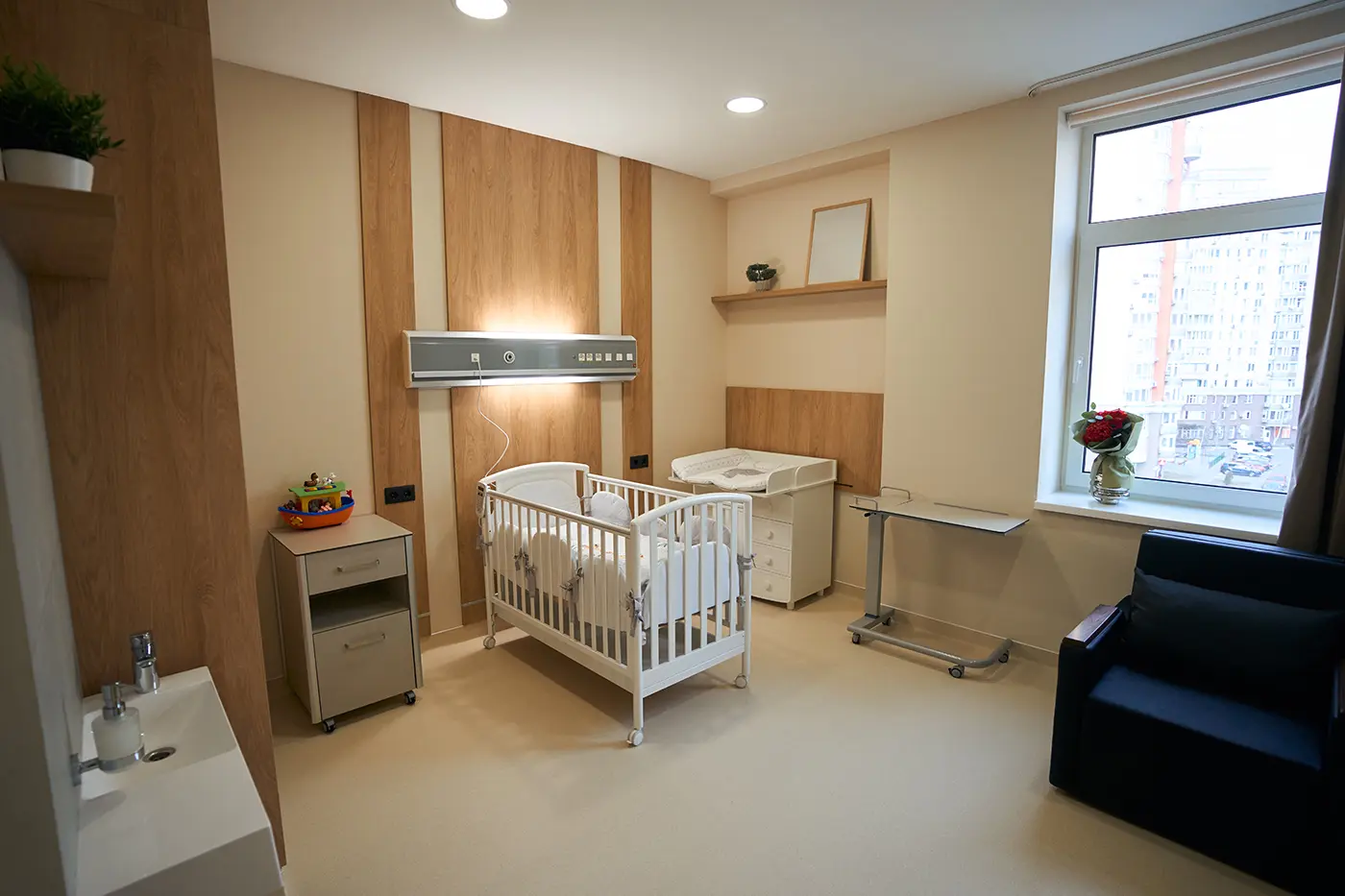
- The environment feels more like a bedroom than a hospital room
At a hospital:
- Care may be led by an OB, midwife, or a team depending on the hospital
- Standard protocols include continuous monitoring, IV access, and restricted eating during active labor
- Interventions are more readily available (and more routinely offered)
- You stay 24-48 hours after a vaginal birth
- Emergency equipment and surgical teams are immediately available if needed
Doulas I work with tell me that the number one thing they see families misunderstand about birth centers is this: a birth center is not the same as an unmedicated birth. Some birth centers offer nitrous oxide, IV pain medication, and other comfort measures. The key difference is that an epidural is not an option — if you want one, you transfer to a hospital.
Who Is a Good Candidate for a Birth Center?
Birth centers are designed for people with low-risk pregnancies. You may be a good candidate if:
- You're healthy with no significant medical conditions
- You're carrying a single baby (not twins or more)
- Your baby is head-down (cephalic) at the time of labor
- You're between 37 and 42 weeks when labor starts
- You haven't had a previous C-section (some birth centers accept VBAC candidates — ask specifically)
- You want minimal medical intervention and trust your body's ability to labor and birth
If any of these don't apply to you, a hospital birth may be a safer choice. Birth centers have transfer protocols for when things move outside their scope, but if you know you have risk factors, starting at a hospital means you're already where you need to be if intervention becomes necessary.
One doula in Aurora told me she's seen families fall in love with the idea of a birth center without fully understanding the transfer reality. About 10-15% of first-time birth center clients end up transferring to a hospital during labor — sometimes for pain management, sometimes for medical reasons. She said the families who did best were the ones who had a transfer plan before labor started.
How to Find a Birth Center Near You
Finding a birth center is different from finding a hospital. There are fewer of them, and they're more concentrated in certain areas. Here's where to start:
American Association of Birth Centers (AABC) directory. The AABC maintains a directory of accredited birth centers. Accreditation means the center meets national standards for safety, staffing, and equipment.
Your midwife or doula. If you've already chosen a midwife or doula, they can usually recommend birth centers they've worked with and know the quality of.
Local parenting groups. Facebook groups and local birth communities are excellent sources for real recommendations from families who've given birth at specific centers.
If you're looking for birth support in Austin or another city with a growing birth center community, local midwives and doulas can point you toward accredited options nearby.
What to Look for When Touring a Birth Center
When you visit a birth center, you're evaluating more than just the facility — you're evaluating the philosophy of care. Here's what to look for and ask about:
Accreditation and licensing. Is the center accredited by the AABC or the Commission for the Accreditation of Birth Centers? Is it licensed in your state? This matters for safety standards.
Transfer hospital. Which hospital does the birth center transfer to in case of emergency? How far away is it? How does the transfer process work? What's their transfer rate, and under what circumstances do transfers typically happen?
Staffing. Who will be at your birth? A midwife and a nurse? A midwife and a doula? Two midwives? What happens if your midwife is at another birth when you go into labor?
Pain management options. What's available? Nitrous oxide? IV medications? Hydrotherapy? What's not available? Knowing this before labor prevents disappointment.
Cost and insurance. Many birth centers are significantly less expensive than hospital births. But insurance coverage varies. Some birth centers accept Medicaid, some don't. Ask for a detailed cost breakdown before committing.
Prenatal and postpartum care. What's included in the package? Most birth centers include prenatal visits, the birth itself, and postpartum follow-up. Some include newborn care and breastfeeding support.
Birth Center Costs
Birth center costs are typically much lower than hospital births. A complete birth center package — including prenatal care, birth, and postpartum visits — typically costs between $3,000 and $6,000 (according to the American Association of Birth Centers). Hospital births with similar care can cost $10,000-$30,000, even with insurance.
One Memphis doula told me most of her clients who chose birth centers did so partly because of cost. She said families consistently told her the birth center felt like the best value — they got personalized, uninterrupted care for a fraction of what a hospital birth would have cost, even with good insurance.
Some birth centers also offer sliding scale fees or payment plans. And an increasing number accept Medicaid, especially in states where birth centers are recognized as licensed healthcare facilities.
Frequently Asked Questions
Is a birth center safe?
For low-risk pregnancies, birth centers have safety outcomes comparable to hospitals. The key qualification is "low-risk." The American College of Nurse-Midwives reports that planned birth center births have low rates of intervention and good outcomes for both parents and babies.
Can I get an epidural at a birth center?
No. Birth centers don't offer epidurals. If you decide you want one during labor, you'll transfer to a hospital. This is an important consideration when choosing where to give birth.
Does insurance cover birth center births?
Many insurance plans cover birth center births, especially when the center is led by certified nurse-midwives (CNMs). Check with your specific plan. Some birth centers accept Medicaid.
What happens if there's an emergency?
Birth centers have emergency protocols and transfer agreements with nearby hospitals. If a complication arises during labor, an ambulance transfer is initiated. The birth center team continues providing care during transport.
Can I have a doula at a birth center?
Yes. Most birth centers welcome doulas and see them as part of the support team. Even though birth center midwives provide more continuous care than hospital staff, a doula's focus on your emotional comfort is a different and complementary role.
Is a birth center right for a first-time mom?
Many first-time parents choose birth centers successfully. The key factors are: low-risk pregnancy, comfort with minimal medical intervention, and a clear understanding that transfer to a hospital is possible.
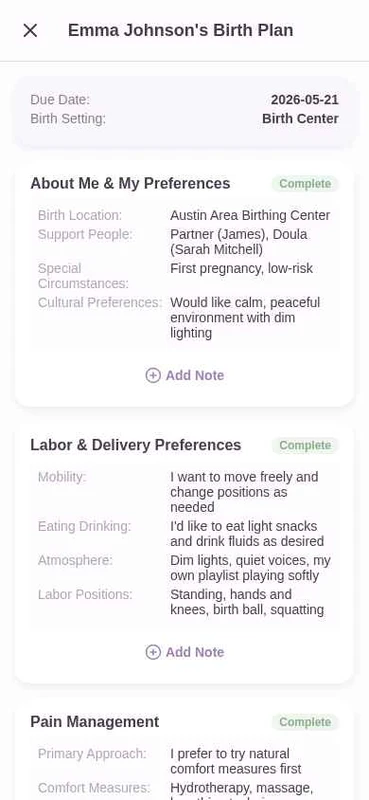
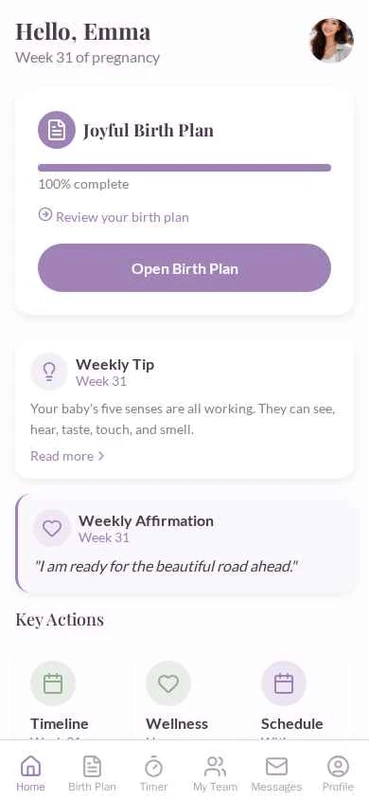
When you're ready to build your birth plan, the Joyful Birth Plan walks you through every section — including preferences that work for birth centers, hospitals, and home births. You shouldn't have to figure this out alone.
For more on choosing your birth setting, check our doula vs midwife guide and our hospital birth plan guide.
Written by Shelbi Kohler