November 7, 2026
Prodromal Labor: How Long It Lasts and When It's Real
Prodromal labor can start and stop for days before real labor begins. A doula explains how long it lasts, how to tell it from active labor, and what helps.

You're 38 weeks. Contractions start in the evening, five minutes apart, serious enough that you stop mid-sentence when one rolls through. You time them for two hours, you wake your partner. Around midnight, they fade. By morning they're back. Or they're gone. Nobody at your prenatal visit has really explained what just happened.
That's prodromal labor, and it's one of the most confusing curveballs a third trimester can throw. I'm Shelbi, a birth doula, and I've sat with plenty of clients through this exact night. Here's the honest version of what's going on.
What Prodromal Labor Actually Is
Prodromal labor is real, cervical-prepping labor that starts and stops before active labor begins. The contractions are genuine. You can feel them and time them, and they're often uncomfortable. They just don't open the cervix the way active labor does. Some providers call it "early labor that stalls." "False labor" undersells it. Nothing about it feels false from the inside.
These contractions help ripen and soften the cervix and get your baby into a great position for delivery. It's the preamble to active labor, not a false start. That distinction matters more than the name. These contractions do genuinely useful work.
One thing worth saying plainly. Prodromal labor is not a sign something's wrong. A Swedish study published in Acta Obstetrika found that birth weights, cesarean rates, and the length of the actual delivery afterward all look just like anyone else's. Knowing that in advance helps a lot when you're up at 2 a.m. wondering if you did something to cause this.
How Long Can Prodromal Labor Last?
So, how long can prodromal labor last? The honest answer is that it varies a lot. For most women it's a matter of days: contractions ramp up in the evening, hang around for a few hours, then calm down overnight. Some women get a single afternoon of it two or three days before active labor starts. Others have it on and off for a week or more.
That variability is exactly why it's so confusing. There's no timer to tell you when the real thing begins. The pattern I've seen with client after client is evening contractions that grow regular for a few hours and fade by morning. Night after night of that is a very common prodromal pattern, not a sign your body's failing.
Prodromal Labor vs. Braxton Hicks vs. Active Labor
The tricky part is that prodromal contractions sometimes fit the "go to the hospital" rules. They can be regular, five minutes apart, and strong enough that you have to breathe through them. A few distinctions help.
- Braxton Hicks. Warm-up tightenings that feel more like a squeeze than a contraction and are usually painless. Changing position, drinking water, or resting quiet them down. They don't get longer, stronger, and closer together in a consistent way.
- Prodromal labor. Real, often uncomfortable contractions that prep your cervix but don't crank up over time. A warm shower, a nap, or rest may space them out, but they can keep returning for days. Hydration and rest sometimes calm them too, which is part of what makes them easy to mistake for Braxton Hicks.
- Active labor. Contractions that keep getting stronger, longer, and closer together no matter what you do. Nothing you try makes them stop. Your water may break. With prodromal, rest and hydration slow it down. With active labor, nothing slows it down. That's the core distinction to hold onto.
One caveat. Prodromal can progress straight into active labor, and the line between the two is blurry at night. Unsure? Call your provider. Nobody will judge you for checking.
What to Do During Prodromal Labor
Rest first. There's an old midwife's saying about resting through early labor, and it holds up. Sleeping when you can is genuinely one of the best things you can do for yourself right now. Prodromal labor can run for days, and many women arrive at the hospital already exhausted. Every hour of sleep you bank now is energy you'll want during active labor and for the recovery afterward. If a nap is possible, take it. If lying down quiets the contractions enough that you drift off, that's a win, not a failure.
Hydrate and eat lightly. Dehydration can make contractions feel stronger, so keep water within reach and sip it regularly. A light snack keeps your energy up in case this turns into the real thing tonight.
Time contractions sparingly. It's easy to let the contraction app take over your whole day. Time a couple of sessions to get a sense of the pattern, then put the phone down. Living by the timer makes prodromal labor feel twice as long.
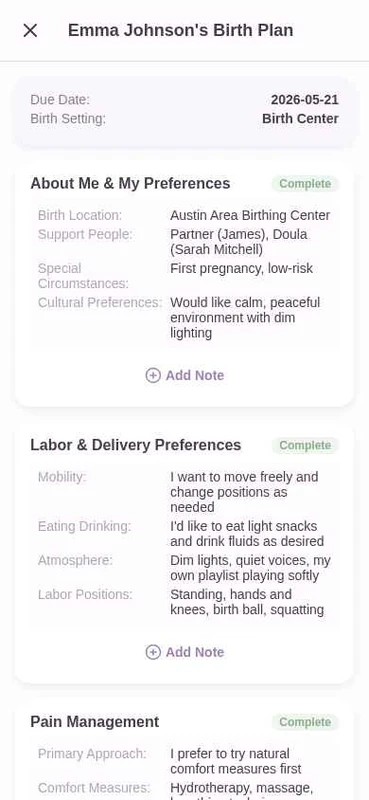
Use the hours to prepare, not to worry. Once you're rested and fed, this is a good window to finish small tasks you've been putting off. Fold the tiny clothes. Check the car seat. Finish writing your birth preferences while you're thinking clearly. Who should be in the room, whether you want to be monitored for an hour at the hospital before being admitted, what you'd like to happen if an induction gets suggested. Put all of it on paper now, because if prodromal labor eventually becomes an induction or a long active labor, that paperwork does real work for you.
When to call your provider. Call if your water breaks or you notice bleeding. Call if contractions keep getting stronger for a couple of hours despite rest and water, or if your baby's movement seems quieter than usual. Also call if you're Group B Strep positive and think you're in early labor. These calls are routine. Your provider's team would rather hear from you than have you sit up worrying alone.
The stop-start pattern isn't dangerous. It's exhausting, but it isn't a complication. It means your body is preparing, and some bodies prepare loudly.
When Prodromal Labor Turns Into Active Labor
You'll know it when it happens. Active labor contractions keep coming whether you've eaten, rested, or showered. They get longer (45 to 60+ seconds), stronger, and closer together. You'll notice a shift from "I can talk through this" to "I need to stop and focus." Many women also describe turning deeply inward in a way they didn't during prodromal.
If you're unsure which phase you're in, that's normal. Time a few contractions while lying down over 30–60 minutes. Contractions that keep going the same way regardless of what you do are the pattern to act on. Call your provider, or head in if they've told you to come in at a certain point.
How Your Doula Can Help During Prodromal Labor
This is a stage where a doula earns her keep. She can listen to how your contractions sound, walk you through rest strategies, and give you an outside read on the pattern. Sometimes that's "this still looks like prodromal, let's rest another hour" that saves you a useless midnight car ride.
Prodromal labor is frustrating because there's nothing to fix. What makes it manageable is support, rest, and a plan for the unpredictability. If you haven't already, grab your free Joyful Birth Plan and write down how you want to handle a long early-labor phase at home. Note what rest looks like for you, when you'd rather call than wait, and when you want to head in. Then, when contractions start and stop for the third night in a row, you won't be making decisions from scratch at midnight. You'll just be following your own instructions.
The information in this article is general and not medical advice. Every pregnancy is different, so check with your own provider about your specific situation and call whenever something doesn't feel right.
Written by Shelbi Kohler