August 10, 2026
Power Pumping: How to Boost Your Milk Supply
Power pumping is a proven way to increase breast milk supply. Learn the exact schedule, how long it takes to work, and what to expect.

Power Pumping: How to Boost Your Milk Supply
If your milk supply feels lower than you want it to be, you're not alone. I've sat with dozens of new parents who stare at the pump and wonder why the bottles aren't filling up. The good news is that power pumping exists, and it works. I've seen it shift supply in real time for the families I support.
Power pumping is not a quick fix, and it's not something you need to do forever. It's a short-term strategy that mimics cluster feeding, the way a newborn ramps up milk production during growth spurts. The idea is simple: you pump in a specific pattern that signals your body to make more milk. The execution is where people get tripped up, which is why I'm going to walk you through exactly how to power pump, what the schedule looks like, and what to expect along the way.
Before we get into the details, I want to mention that supply concerns are one of the most common reasons people reach out for postpartum support. If you're feeling overwhelmed by feeding challenges, you are absolutely not failing. Planning ahead with your birth plan can help you identify local lactation resources before you need them in the middle of the night.
What Is Power Pumping and Why Does It Work?
Power pumping is a breast pumping technique that uses repeated short pumping sessions with brief rest periods to stimulate milk production. It works by mimicking the way a baby cluster feeds, which sends a strong signal to your body that more milk is needed.
Here's the biology in plain terms. Breast milk production operates on supply-and-demand. The more milk is removed, the more your body produces. When a baby cluster feeds during a growth spurt, your body interprets that as increased demand and ramps up production. Power pumping creates that same demand signal using a pump instead of a baby.
According to the World Health Organization, breast milk supply is heavily influenced by frequency of milk removal, which is why strategies that increase pumping or nursing frequency tend to be effective for boosting supply. In my own practice, I've worked with parents who were only pumping two or three ounces per session and, after consistent power pumping for about a week, were producing closer to four or five ounces. Results vary, but the principle holds.
The key thing to know is that power pumping is not a replacement for regular nursing or pumping. It's an add-on strategy you use once or twice a day for a limited period. Think of it as a concentrated push, not a lifestyle change.
How Do You Power Pump?
The standard power pumping schedule follows a pattern of pumping and resting over the course of one hour. You can do this once or twice a day depending on your situation and your schedule.
Here's the exact power pumping schedule I recommend:
Pump for 20 minutes, then rest for 10 minutes. Pump for 10 minutes, then rest for 10 minutes. Pump for 10 minutes, then stop. The whole session takes one hour.
If you only have 30 minutes, shorten it to: pump for 10 minutes, rest for 5 minutes, pump for 10 minutes, rest for 5 minutes.
A few practical tips make this easier. First, use a hands-free pumping bra so you can read or relax during rest periods. Second, keep your phone charger nearby. An hour is a long time, and you don't want your entertainment dying mid-session. Third, have water and a snack within reach. Milk production requires hydration and calories.
Set yourself up in a comfortable spot. Dim the lights if you can. Stress inhibits the let-down reflex, which is the milk release triggered by oxytocin. If you're tense and watching the clock, you'll get less milk. I tell my clients to put on a show, listen to a podcast, or call a friend. Anything to distract yourself from the pump.
Timing matters too. Many lactation consultants recommend power pumping right after a feeding or regular pumping session. Your breasts are already primed, and the extra stimulation tells your body the baby is still hungry. Morning sessions tend to work best because prolactin levels are naturally higher early on.
For families in my practice, whether in Austin, TX or Denver, CO, I always stress that consistency beats perfection. Missing one session won't ruin your supply. Missing several days in a row might. Pick a time you can commit to and stick with it.
How Long Does Power Pumping Take to Work?
This is the question every parent asks, and I wish I could give you a guaranteed timeline. The honest answer is that most people notice a difference within three to seven days of consistent power pumping. Some see results sooner. Others need closer to two weeks.
The variation depends on several factors: how established your supply is, how often you're nursing or pumping, your hydration and nutrition, stress levels, and whether there are underlying issues like a tongue tie or hormonal imbalance. If you're within the first two weeks postpartum, your supply is still regulating, and power pumping can help establish a stronger baseline. If you're three or four months in, it may take longer to see noticeable changes.
In my experience, the parents who get the best results commit to at least a full week without obsessing over output during every session. Your body needs time to respond. Checking the bottle every five minutes creates stress, and stress works against milk production. Track your total daily output instead of individual session output.
If you don't see improvement after two weeks of consistent power pumping, check in with a lactation consultant or your provider. There may be a latch issue, a tongue tie, thyroid concerns, or another factor that needs addressing. I often refer families to local Texas birth support resources or Colorado birth support resources where they can find certified lactation professionals.
When Should You Start Power Pumping?
You don't need to start power pumping the day your baby is born. The first two weeks are about establishing supply through frequent nursing or pumping every two to three hours. Your body is figuring things out, so nurse on demand or pump on schedule.
The most common time to start is when you notice a dip in supply or need to build a stash for returning to work. Here are the scenarios where I recommend it: you're exclusively pumping and output has dropped, you want to build a freezer stash, your baby started sleeping longer and your supply dropped in response, you're returning to work, or you're trying to relactate after a break.
In each case, the goal is the same: send a stronger demand signal to your body. Power pumping is one of the most efficient ways to do that without nursing around the clock.
If you're feeling unsure about whether power pumping is right for your situation, it can help to talk through your specific feeding plan with someone who knows your history. Many of the families I work with as a birth and postpartum doula find that having a practical feeding strategy written into their overall care plan reduces anxiety significantly.
What Should You Expect During Power Pumping?
Let's talk about what power pumping actually feels like, because nobody seems to prepare parents for the reality of sitting attached to a machine for an hour.
Your nipples may feel sensitive, especially if you're not used to extended pumping. Make sure your flange size is correct. A flange that's too small or too large can cause pain and reduce output. Most pump brands have sizing guides online, or a lactation consultant can measure you. If you're looking for ways to manage discomfort more broadly, my guide to labor pain management options covers techniques that apply to more than just contractions.
You probably won't get much milk during the rest-pump intervals in the middle of the session. That's normal. The goal of those middle pumps isn't to empty your breasts completely. It's to keep the stimulation going so your body registers the demand. The milk that comes out during the final 10-minute pump is often where you'll see the increase.
Some people experience multiple let-downs during a power pumping session. Others don't. Both are fine. A let-down is the release of milk triggered by oxytocin, and not everyone feels it distinctly. If you don't feel the tingling sensation, watch for faster dripping into the bottle. That's your sign milk is flowing.
Hydration is non-negotiable. Drink water before, during, and after your session. I tell clients to keep a large bottle next to them and finish it before the hour is up. Your body can't make milk from nothing. It needs fluids.
Sleep matters too. Prolactin, the hormone responsible for milk production, rises during sleep. If you're not getting rest, your supply will suffer. I know rest feels impossible with a newborn. But even short naps help. Ask your partner, a family member, or a postpartum support person to take a feeding so you can sleep.
Frequently Asked Questions About Power Pumping
Can I power pump if I'm exclusively breastfeeding?
Yes, you can. The easiest way is to pump on one side while your baby nurses on the other, or to pump for 10 to 15 minutes right after a feeding. Some people find they get the most milk this way because the baby's nursing already triggered a let-down. If your baby is cluster feeding naturally, you may not need to power pump at all.
What time of day is best for power pumping?
Morning tends to be best because prolactin levels peak between 1 AM and 5 AM, and many parents have the most milk in the early hours. That said, any time you can consistently commit to works. The consistency matters more than the clock.
Will power pumping cause oversupply?
It can, especially if your supply was already adequate before you started. Oversupply comes with its own challenges: engorgement, clogged ducts, and a fast let-down. If you notice you're producing more than your baby needs, scale back to once a day or every other day.
Is power pumping safe if I have a low milk supply from the start?
Yes, it's one of the most commonly recommended strategies for building supply in the early weeks. Just make sure you're also addressing any underlying issues. A lactation consultant can assess latch, evaluate for tongue tie, and check whether your pump settings and flange size are optimized.
How does power pumping compare to just nursing more often?
Cluster feeding and power pumping achieve the same result through different methods. If your baby is willing to nurse frequently, that's ideal because nursing is generally more efficient at removing milk than pumping. But not all babies cluster feed on cue, and some parents are exclusively pumping. Power pumping gives you a way to replicate that demand signal on your own terms.
How do I know if power pumping is actually working?
Track your total daily output, not individual session amounts. Look for a gradual upward trend over a week. You may also notice your breasts feeling fuller between sessions, or your baby seeming more satisfied after feedings.
Is Power Pumping Worth It?
Power pumping is not glamorous. It takes time and patience and can feel impossible when you're already sleep-deprived. But when supply is a concern, it's one of the most effective tools available. I don't recommend it to every client. If your baby is gaining weight and you're content with your supply, there's no need to add an hour of pumping to your day. But if you're stressed about output, worried about returning to work, or building a freezer stash, power pumping is worth trying.
The parents I've supported who had the best outcomes approached it practically. They set a timer, picked a show, and didn't obsess over every drop. They tracked weekly trends instead of session-by-session output.
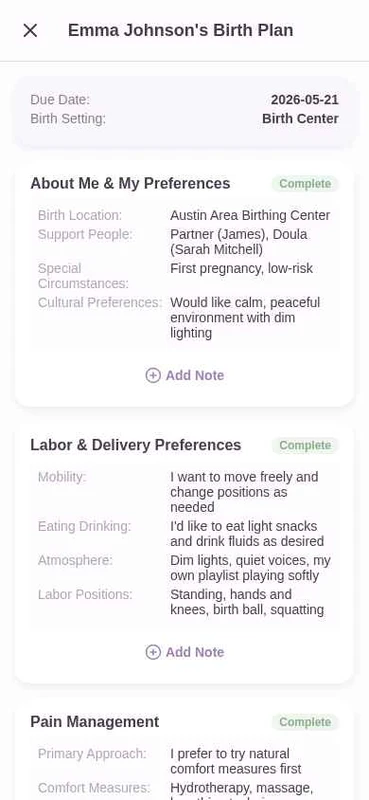
If you're preparing for birth or early postpartum and want to feel more confident about feeding, download your free Joyful Birth Plan and note your preferences for lactation support and feeding goals. Having a written plan means your partner and care team know what matters to you, even when you're too tired to explain it.
Power pumping works. Give it a week and stay consistent. You've got this.
Written by Shelbi Kohler