August 10, 2026
Lamaze Breathing: Techniques That Help
Lamaze breathing techniques explained by a certified doula. Learn slow-paced, patterned, and guided breathing to stay calm and focused through labor.

Lamaze breathing gets a bad reputation from TV and movies. You have probably seen it parodied: a pregnant woman panting like a dog while her partner yells "hee hee hee." That is not what the Lamaze breathing technique actually looks like, and it is not what I teach the families I support as a certified doula.
The real Lamaze breathing is a set of focused, rhythmic patterns that help you stay calm, manage pain, and keep labor progressing. When I support mothers through unmedicated births, the ones who have practiced their breathing beforehand are the ones who stay centered during transition. The ones who have not tend to hold their breath, tense up, and work against their own bodies.
If you are preparing for an unmedicated birth, or you just want another tool in your comfort measures toolkit, learning Lamaze breathing is one of the highest-impact, zero-cost things you can do. In this post, I will walk you through the specific techniques I use at births, including my own seven deliveries, and show you how to practice them before labor starts.
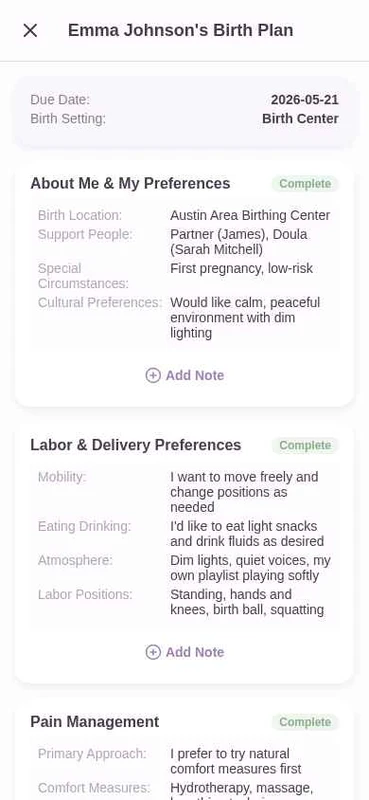
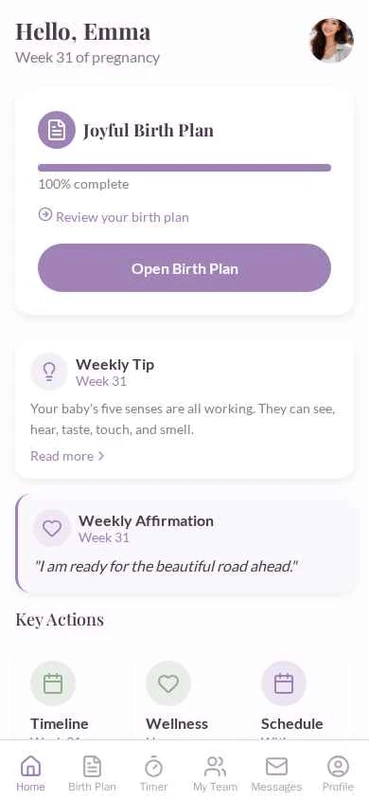
If you are already building your birth plan, grab the Joyful Birth Plan template. It has a dedicated section for comfort measures and breathing techniques, so you can note exactly which patterns you plan to use.
What Is Lamaze Breathing?
Lamaze breathing is not one single pattern. It is a progression of breathing techniques designed to match the intensity of labor as it builds. Modern practice centers on three core techniques: slow breathing, patterned breathing, and guided breathing for pushing.
The goal is the same across all three. When you focus on your breath, you reduce tension in your body. Reduced tension means reduced pain. Less pain means less adrenaline. Less adrenaline means more oxytocin, which means stronger, more effective contractions. That is why breathing techniques are not just mental tricks. They change what is happening in your body during labor.
I have seen this play out in real time. A mother I supported in Chicago came into labor holding so much tension in her shoulders and jaw that she was fighting every contraction. After ten minutes of slow breathing with my hands on her shoulders reminding her to soften, her whole body relaxed. Her labor nurse said her contractions had jumped from five minutes apart to three. That is what happens when you stop fighting your body and start working with it. If you are in the area, our Illinois birth support hub lists local doulas who can help you practice these techniques before your due date.
What Are the Lamaze Breathing Techniques?
There are three main techniques that every expectant mother should know. You will move through them as labor gets more intense.
Slow breathing is the foundation. You breathe in through your nose for a count of four, then out through your mouth for a count of six or eight. The exhale is longer than the inhale, which activates your parasympathetic nervous system and calms you down. You use slow breathing during early labor and between contractions during active labor.
Patterned breathing is what most people picture. You take an initial cleansing breath at the start of a contraction, then breathe in and out at a steady, moderate pace. The pace increases slightly as the contraction peaks, then slows again as it fades. The key is rhythm. Your breath stays even and controlled, not frantic.
Guided breathing for pushing is used during the second stage. Instead of holding your breath and straining, you take a deep breath at the start of the contraction, tuck your chin, and breathe or grunt your way through the push while releasing slowly. This keeps oxygen flowing to the baby and prevents you from exhausting yourself with breath-holding.
Our guide to breathing methods for labor covers additional techniques that pair well with these patterns.
How Do You Practice Lamaze Breathing Before Labor?
Breathing techniques only work if you have practiced them enough that they become automatic. If you have to think about what comes next, you have already lost your focus.
Start with slow breathing. Sit comfortably and place one hand on your chest and one on your belly. Breathe in through your nose for a slow count of four, feeling your belly rise. Breathe out through your mouth for six or eight, feeling your belly fall. Practice five minutes every day. Once it feels natural, add it to walks, stretches, or light exercise.
Next, practice patterned breathing. Have your partner time you for ninety seconds. Take a cleansing breath at the start, then switch to your pattern. Imagine the intensity building to a peak at forty-five seconds, then fading. If you are counting, speed up as the peak approaches. If you are using an accelerated breath, make it light during the peak.
Finally, practice guided pushing breathing. You can try this during a bowel movement. Take a deep breath, tuck your chin, and bear down slowly while exhaling. If you feel your face bulging, you are holding your breath too long.
A client of mine in Seattle, WA practiced patterned breathing while doing squats in her third trimester. By the time she went into labor, the breathing pattern was tied to the physical sensation, and her body switched into it automatically. That is the consistency that makes a difference. You can find more birth support options across the Washington state hub if you want local guidance.
When Should You Switch Between Breathing Patterns?
You do not need a stopwatch or a flowchart. Here is the general progression I teach.
Use slow breathing during early labor when contractions are mild and you can talk through them. This is your time to focus and conserve energy.
Switch to patterned breathing when you enter active labor and can no longer talk through contractions. This is when the intensity ramps up and your instinct will be to hold your breath or tense your jaw. Patterned breathing becomes your anchor for breathing through contractions.
Use guided breathing for pushing once you are fully dilated and feel the urge to bear down. If a nurse asks you to push before you feel the urge, guided breathing still helps because it keeps you from exhausting yourself.
The key is flexibility. Some mothers stay in slow breathing through most of active labor. Others switch to patterned breathing early. There is no wrong choice. The only wrong choice is having no technique prepared at all.
What Should Your Birth Partner Know?
Your birth partner, whether that is your spouse, a family member, or a doula, needs to know your breathing plan almost as well as you do. In labor, you may not be able to communicate verbally. Your partner is the one who will remind you to breathe, count with you, and tell you when the hardest part is almost over.
I tell partners to learn the three patterns themselves and to practice out loud with the pregnant person regularly, not just once. During labor, your voice will trigger a familiar response. Use a calm, low voice. Watch for tension in the jaw, shoulders, and hands, and offer a hand on the shoulder with a simple reminder to soften. If she requests medication, remind her once of her plan, then support whatever she chooses. Arguing in transition can undo hours of preparation.
If you are planning a natural birth, read our natural birth plan guide for more on preparing your partner.
What If Lamaze Breathing Does Not Feel Right?
Not every technique works for every person. Give it a week of real practice before you decide. The awkwardness you feel at first is usually just unfamiliarity.
If it still does not click, switch techniques. Some mothers respond better to vocalization, like low moaning or humming. Others do better with visualization, like imagining their breath as a wave. The point is to have a focused, rhythmic technique, not to force yourself into one specific mold.
Regardless of where you deliver, these techniques apply. If you are in the Midwest and exploring providers, look into Illinois birth support options that include Lamaze-certified educators and doulas. In the Pacific Northwest, the Washington birth support hub connects families with providers trained in breathing-based comfort techniques.
I supported a mother in Chicago, IL who hated patterned breathing and felt like she was hyperventilating. We switched to slow vocalization on the exhale, and it worked immediately. She stayed unmedicated through a twelve-hour labor and delivered a nine-pound baby. The technique is a tool, not a rule.
Frequently Asked Questions About Lamaze Breathing
Do I Need a Lamaze Childbirth Class to Learn These Techniques?
You can learn the basic patterns from this post and practice at home. A class adds accountability and hands-on correction with a partner, plus it teaches you when to switch techniques, how to communicate with hospital staff, and what to do when things do not go according to plan. If a full class is not in your budget, even a single doula prep session can cover breathing techniques and give you feedback on your form.
Can Lamaze Breathing Reduce My Need for Pain Medication?
Breathing techniques do not remove pain, but they change how you experience it. Focused breathing reduces the perception of pain by giving your brain a competing task. It also lowers adrenaline, which reduces fear and tension, which in turn reduces pain. Many unmedicated mothers say their breathing technique was the single most important factor in getting through without medication. Others use breathing to delay medication until they are ready for it. Either outcome is valid.
Is Lamaze Breathing Only for Unmedicated Birth?
Not at all. I have supported mothers with epidurals who used slow breathing during placement, and mothers with cesarean births who used breathing to manage anxiety before spinal anesthesia. These techniques are not tied to any specific birth outcome. They are tools for managing labor intensity whenever it occurs.
What If I Panic and Forget How to Breathe?
This happens. Suppose you lose track of your pattern mid-contraction. Take one big breath in through your nose and let it out slowly through your mouth. That single breath resets your nervous system enough to pick your pattern back up. You do not have to maintain perfect form. You just have to keep breathing.
Ready to Add Lamaze Breathing to Your Birth Plan?
Lamaze breathing is one of the most practical comfort measures you can learn before labor. It costs nothing, requires no equipment, and works in every birth setting. The key is practice. Spend ten minutes a day in your third trimester working through slow breathing, patterned breathing, and guided pushing breath. By the time labor starts, your body will know what to do even when your mind is overwhelmed.
Include your chosen techniques in your birth plan so your partner and care team know how to support you. Our Joyful Birth Plan template has a dedicated section for comfort measures and breathing, so you can list exactly which patterns you plan to use and when.
Want hands-on coaching during labor? Working with a doula means having someone whose entire job is to remind you to breathe, adjust your position, and keep you focused when it gets hard. The families who prepare their breathing techniques are the families who feel the most in control, no matter how their birth unfolds.
Written by Shelbi Kohler