October 15, 2026
Natural Labor Induction: What the Evidence Says
Exploring the evidence on natural labor induction methods like acupuncture, acupressure, and breast stimulation. Learn what research suggests for your birth.

Mama, I remember those last few weeks of pregnancy so well. With my seventh baby, I was big, I was tired, and I was so ready to hold that little one in my arms instead of my ribs. When you hit 39 or 40 weeks, it is completely normal to start wondering if there is anything you can do to gently encourage things along.
If you are nearing the end of your pregnancy and hoping to avoid a medical induction, you might be looking into natural methods. Research suggests exploring options like acupuncture, acupressure, and breast stimulation. These are non-medical ways some mamas use to help their bodies naturally prepare for birth.
I have seen this at births time and time again. The desire to let your body lead the way is strong, and the good news is that there is actual evidence we can look at to see what might help. Let us sit down together (with a glass of water, please!) and look at what the research actually says about natural labor induction.
What Exactly Is Natural Labor Induction?
When we talk about natural labor induction, we are talking about using non-medical, non-pharmaceutical methods to try and start labor. This is different from a medical induction where your care provider uses synthetic oxytocin (Pitocin) or medications like Cytotec or Cervidil to force the cervix to dilate and the uterus to contract.
Natural methods aim to work with your body's own physiology. Instead of forcing a contraction, the goal is to encourage your body to release its own oxytocin, ripen the cervix, and get things moving on their own. Evidence indicates that some of these methods have been used for generations, but modern research helps us separate the old wives' tales from the strategies that actually have some backing.
It is also important to remember that natural does not always mean risk-free. You still want to keep your care provider in the loop, especially if you have a high-risk pregnancy or a history of preterm labor. Understanding the difference between medical and natural induction can also help you communicate better with your team. If you are looking for someone to support you through these decisions, you might want to read up on What Is a Doula?.
What this means for you: Natural labor induction is about giving your body a gentle nudge rather than a forceful push. If you are considering trying to start labor on your own, start by having an open conversation with your doctor or midwife about which methods are safe for your specific situation.
The Evidence on Acupuncture
Acupuncture is a practice from traditional Chinese medicine that involves placing very thin needles into specific points on the body. The idea is that stimulating these points can help move energy, or qi, and encourage the body to prepare for birth.
So, does it work? A review of the evidence suggests that acupuncture may help ripen the cervix and reduce the need for a formal medical induction. Some studies found that women who received acupuncture were less likely to need oxytocin to start their labor compared to women who did not get acupuncture. The research also indicates it might shorten the first stage of labor.
I worked with a mama recently—let us call her Sarah. She was 40 weeks and 5 days and really wanted to avoid a hospital induction. She scheduled a session with an acupuncturist who specialized in pregnancy. The acupuncturist placed needles in her lower back, hands, and feet. Sarah actually fell asleep during the session (which is a win in my book for a tired pregnant mama!). That evening, she started having mild, irregular contractions. By the next morning, she was in active labor. While we cannot say for sure the acupuncture caused her labor to start, the timing was certainly interesting.
What this means for you: If you are interested in acupuncture, look for a licensed acupuncturist who has experience with pregnant women. You can ask your care provider for a referral. It is generally considered safe, but you want someone who knows exactly where to place the needles to avoid stimulating contractions too early.
Trying Acupressure at Home
Acupressure is similar to acupuncture, but instead of needles, it uses firm pressure from fingers or hands on specific points. The evidence on acupressure is a bit mixed. Some research suggests it can help reduce pain during labor, but when it comes to actually starting labor, the findings are less clear.
However, some studies found that stimulating specific acupressure points, like the LI4 point (located in the webbing between your thumb and index finger) and the SP6 point (located just above the ankle on the inside of the leg), might help encourage contractions. The theory is that applying pressure to these points can stimulate the uterus.
Many doulas teach their clients these points so they can use them at home. If you want to try this, you or your partner can apply firm, steady pressure to the LI4 point for a few minutes at a time. But please do not do this before 37 weeks, as we do not want to encourage contractions before your baby is full term. If you are looking for someone to help guide you through these techniques during labor, you can check out the Benefits of a Doula.
What this means for you: Acupressure is a free, low-risk method you can try at home once you are full term. Have your partner or a trusted support person help you find the points. Remember to use firm pressure, not so hard that it is painful, but enough that you feel a dull ache. Stop if it causes discomfort.
Breast Stimulation and Oxytocin
Breast stimulation is exactly what it sounds like: gently massaging your breasts or using a breast pump to stimulate the nipples. The idea here is rooted in basic biology. When your nipples are stimulated, your brain releases oxytocin, which is the same hormone that causes uterine contractions during labor.
Evidence indicates that breast stimulation can be an effective way to naturally induce labor. A review of studies found that women who used breast stimulation were more likely to go into labor spontaneously compared to those who did not. The research also suggests it might reduce the risk of postpartum hemorrhage because it helps the uterus contract effectively after birth, too.
If you want to try this, you can use a breast pump on a low setting or manually massage your nipples for a few minutes at a time, taking breaks in between. You want to mimic the sucking pattern of a newborn. It is important to be careful not to overdo it. Too much stimulation can lead to very long, exhausting contractions before you are actually in active labor. Because of this, some care providers recommend waiting until 39 weeks and monitoring how your body responds.
What this means for you: Breast stimulation is a simple, at-home method that has decent evidence behind it. You might consider chatting with your care provider or doula about whether trying gentle breast stimulation could be a safe option for you as you get closer to your due date. If you do not have a doula yet, our Doula Cost Guide can help you figure out if it fits your budget.
Putting It All Together Safely
When you are 39 weeks pregnant and uncomfortable, it is so tempting to try everything all at once. But mama, I want to encourage you to take a breath. The evidence we have suggests that these natural methods work best when your body and your baby are already ready. If your cervix is not favorable, these methods might just cause you a lot of discomfort without actually starting labor.
Your care provider needs to know what you are trying. If you are using a breast pump at home, they need to know, especially if you have a history of fast labors or if you are planning a VBAC (vaginal birth after cesarean). It is also helpful to understand the difference in your care team. You can read our guide on Doula vs Midwife to understand who does what in your birth space. Your midwife or doctor handles your medical safety, while your doula provides physical and emotional support.
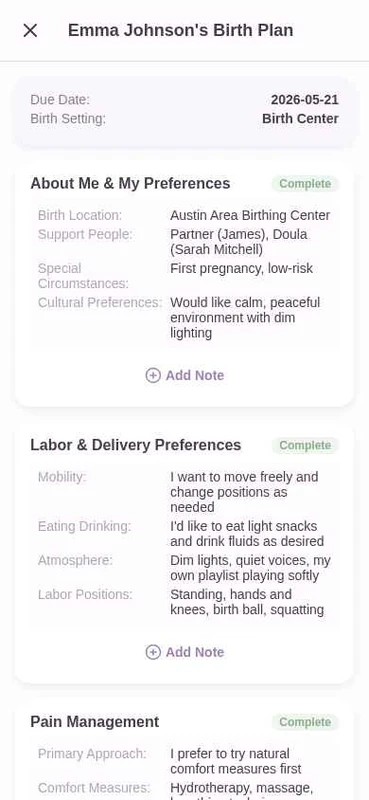
Having a clear plan can help you feel more in control. You can use our Free Joyful Birth Plan template to write down your preferences for natural induction methods. That way, when you go into your appointments, you can hand it over and start the conversation. If you are still building your team, you can Find a Doula Near You to get some hands-on support during these final weeks.
What this means for you: Combine these methods with patience. Try one thing at a time, give your body a chance to respond, and keep your care provider updated. Rest as much as you can, because if labor does start, you will need that energy!
Questions to Bring to Your Care Team
When you are discussing natural labor induction with your doctor or midwife, here are a few questions you might want to ask:
- Are there any medical reasons why I should not try natural induction methods like acupressure or breast stimulation?
- What is my Bishop score, and does it look like my body is already getting ready for labor?
- If I want to try acupuncture, do you have a recommendation for a practitioner in our area?
- How will we know if a natural method is working, and when would you recommend we move to a medical induction if needed?
Mama, the end of pregnancy is a waiting game, and I know how hard that is. Trust your body, lean on your support system, and use the evidence to make the choices that feel right for you and your baby.
References
- Evidence Based Birth: Evidence on Natural Labor Induction: Acupuncture, Acupressure, and Breast Stimulation — https://evidencebasedbirth.com/ebb-414-evidence-on-natural-labor-induction-acupuncture-acupressure-and-breast-stimulation/
Written by Shelbi Kohler