November 1, 2026
Why Feeling Respected Matters So Much in Maternity Care
Research suggests that feeling respected during maternity care deeply impacts your birth experience. Here's how to make sure your voice is heard.

I've seen this at births so many times over the years. With my third baby, I remember sitting in the clinic waiting room, feeling so incredibly tired. My feet were swollen, my back ached, and I just wanted someone to look me in the eye and explain what was happening with my body. When you're expecting, especially if you're a young mama or this is your first baby, you're already carrying so much. You just want to feel safe, supported, and heard.
Have you ever left a prenatal appointment feeling more confused or small than when you walked in? It's an awful feeling. You might wonder if you're overreacting or if you should just keep your mouth shut and trust the experts. But you aren't overreacting. How you're treated during your pregnancy and birth matters just as much as the medical care you receive.
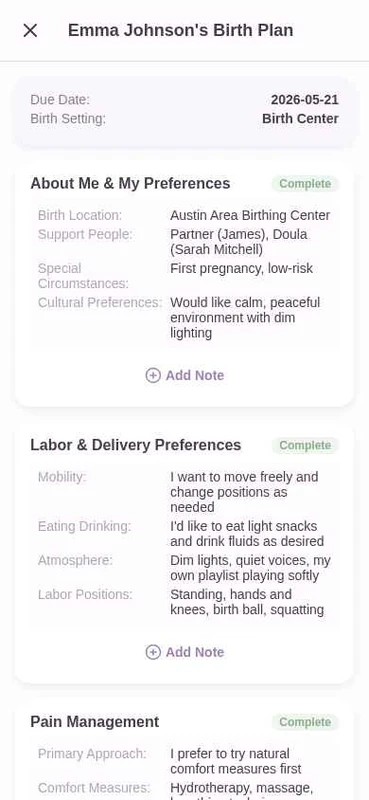
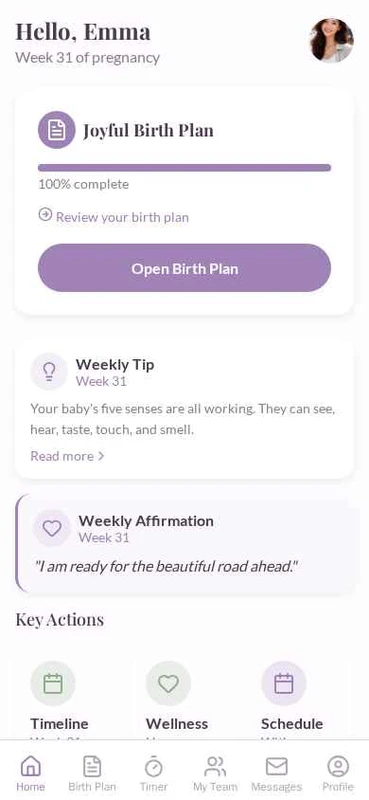
Let me tell you about a client I had a while back. We'll call her Sarah. She was 18 and expecting her first baby. At her prenatal appointments, she said her care provider would talk over her, using big medical words and not making eye contact. She felt like she was just a number on a chart. She told me, 'I don't even know what my options are, so how can I make choices?' By the time she hired me as her doula, she was anxious and feeling completely lost. We sat down and filled out her Free Joyful Birth Plan template together. We practiced what she could say to her doctor. By the time her baby arrived, she had found her voice. It made a world of difference for her.
The Reality of Judgment in Maternity Care
Evidence indicates that young mothers frequently encounter stigma and judgment from providers. A recent systematic review and qualitative evidence synthesis examining adolescent mothers' maternity care experiences found that this is a widespread issue. Why does this happen? Sometimes it's assumptions about age, background, or life circumstances.
Research suggests that when care providers carry biases, it changes the whole atmosphere of the room. Instead of feeling like a patient, you feel like you're being graded or scolded. Have you ever felt judged at an appointment for a question you asked, or for how you answered a personal question? It makes you want to shrink into the chair. The study found that young mamas often face this kind of judgment, which makes them hesitant to speak up when something feels wrong.
What this means for you: You deserve a care team that treats you with kindness and respect, no matter your age or background. If you're feeling judged at your appointments, it's okay to look for a new provider. You can also Find a Doula Near You to have a professional advocate in your corner who is on your side from day one.
Losing Your Voice and Autonomy
The review found that a lack of autonomy from providers is a common issue for young mothers. Autonomy simply means having the right to make your own informed choices. When someone takes away your choices or makes decisions for you without asking, you lose your voice.
I've seen this at births where a mama is told, 'We're going to do this procedure now,' without anyone explaining why or asking how she felt about it. The research found that when you don't have a say in your care, it leaves you feeling helpless and sidelined in your own experience. Your body, your baby, and your birth are yours. You should be the center of the conversation, not just a bystander.
What this means for you: You have the right to ask questions. You can say, 'Can you explain why we're doing this?' or 'I'd like a minute to think about it before we move forward.' Knowing the difference between a Doula vs Midwife can also help you understand who is providing your medical care and who is there to support your choices.
What Respectful Care Actually Looks Like
So, what does good, respectful care look like? The evidence suggests that respectful care is characterized by emotional support, privacy, and clear communication. Let's break those down.
Emotional support means your care team checks in on how you're feeling emotionally, not just checking the baby's heart rate. Privacy means they knock before they enter the room, they keep you covered when possible, and they respect your personal space. Clear communication means they talk to you in plain words you can actually understand, and they wait for you to ask questions before moving on.
The study found that when these elements are present, it deeply protects your birth experience. It turns a scary, clinical event into a supported, manageable process. When your team gives you emotional support, privacy, and clear communication, it makes a huge difference in how you look back on your birth.
What this means for you: Look for these traits when you interview providers. If you want to know more about how a dedicated support person can help ensure you get this kind of care, check out What Is a Doula? to see how they fit into your birth team.
How Your Mental Well-being Ties In
Respectful care isn't just about having a nicer time at the hospital or clinic. The research indicates it is crucial for improving your perinatal experiences and mental well-being.
When you feel respected and heard, your stress levels go down. When you face stigma and lose your voice, it can lead to birth trauma, postpartum anxiety, and depression. The evidence indicates that feeling respected makes a huge difference in your mental health long after the baby is born. I remember with my seventh baby, the biggest thing I needed wasn't a specific medical intervention—it was peace of mind and a team that trusted my body.
What this means for you: Protect your mental health by surrounding yourself with supportive people. If you're worried about the cost of adding extra support to your team, you can look at our Doula Cost Guide to see the options and figure out what might work for your family.
Finding Your Support System
You don't have to do this alone. The research suggests that having emotional support makes a huge difference. This is where bringing in a doula can be so helpful. A doula is there to remind you of your choices, help you process information, and make sure you feel heard.
The Benefits of a Doula include continuous emotional and physical support, which the evidence indicates helps improve birth outcomes and satisfaction. A doula doesn't replace your medical team, but she does fill the gaps in support and communication.
What this means for you: You might ask your care team to explain things clearly and respect your choices, or consider bringing a supportive doula to your appointments to help you feel completely heard. Having that extra layer of support can give you the confidence you need to advocate for yourself.
Questions to Bring to Your Care Team
Before your next appointment, take a deep breath and remember that you are the boss of your body. Here are a few questions you can bring with you to make sure you're getting the respectful care you deserve:
- Can you explain what this test or procedure is, and why you're recommending it?
- What are the alternatives, and what happens if we just wait and see?
- How will you make sure I have privacy during labor and delivery?
- If I have a concern or a question during labor, who should I direct it to?
- How do you handle situations where a mom wants to make a different choice than what you suggest?
References
- Adolescent mothers' lived experiences of respectful and non-respectful maternity care: A systematic review and qualitative evidence synthesis. PubMed. https://pubmed.ncbi.nlm.nih.gov/42956420/
Written by Shelbi Kohler