June 10, 2026
Postpartum Doula Cost: $25 to $75/Hour
Postpartum doulas charge $25 to $75 per hour. See typical rates, overnight costs, and what's included. Plus tips for affording postpartum support.
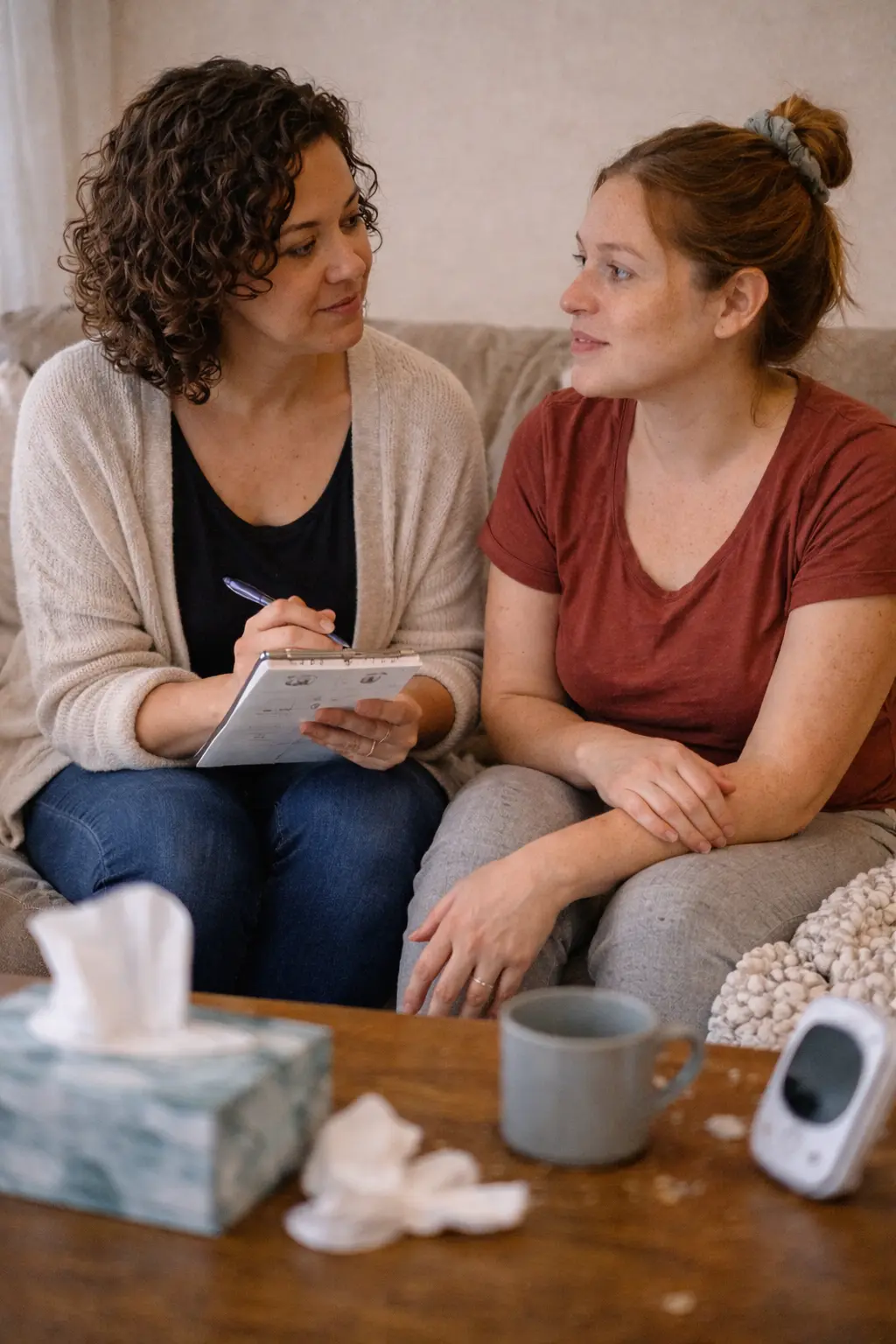
Let's talk about postpartum doula costs — because this is one of the most misunderstood parts of doula support, and also one of the most valuable. After supporting hundreds of families through the postpartum period, I've seen how having a postpartum doula can transform those first weeks from survival mode into something gentler and more supported.
A postpartum doula provides practical and emotional support during the weeks after birth — helping with newborn care, breastfeeding support, light household tasks, sibling care, and emotional processing of the birth experience. Postpartum doulas typically work in packages of daytime or overnight shifts, ranging from a few visits to several weeks of support.
One family told me their postpartum doula was the best money they spent — and they'd originally thought they couldn't afford it. They found a package for 10 hours a week that fit their budget and made the first month manageable. The mom said having someone come in twice a week meant she could shower, eat a hot meal, and ask all her newborn questions without feeling like she was bothering anyone.
How Much Does a Postpartum Doula Cost?
Postpartum doula costs vary by location, experience, and the type of support offered. Here's what you can typically expect:
Hourly rates. Most postpartum doulas charge between $25 and $60 per hour. Rates are higher in major metropolitan areas and lower in smaller cities and rural areas. Doulas with specialized training (lactation support, sleep coaching, infant massage) may charge toward the higher end.
Day packages. Many postpartum doulas offer daytime packages of 3-6 hours per visit, 2-4 days per week. A typical package might be 12 hours per week for 4 weeks, costing $1,200 to $2,400 depending on the hourly rate.
Overnight packages. Overnight doula support covers nighttime newborn care so you can sleep. Overnight shifts are typically 8-10 hours and cost $200 to $500 per night. A package of 10 overnight shifts might cost $2,000 to $5,000.
Postpartum-only packages. Some doulas offer comprehensive postpartum packages that include a set number of visits, phone support, and newborn care education. These typically cost $500 to $1,500 for a 4-6 week package.
What's Included in Postpartum Doula Support
Understanding what postpartum doulas actually do helps you know what you're paying for. A postpartum doula doesn't replace your partner or family — she fills the gaps that no one else can cover during those intense early weeks.
Newborn care education. Helping you with diapering, bathing, swaddling, soothing, and understanding your baby's cues. She doesn't take over — she shows you how, so you gain confidence.
Breastfeeding support. Positioning help, latch assessment, milk supply questions, pumping guidance. Many postpartum doulas have additional lactation training.
Emotional support. Processing your birth experience, checking in on your mood, normalizing the roller coaster of postpartum emotions. She can help you notice when you might need additional support from a professional.
Light household help. Meal preparation, light cleaning, laundry, dishes. Nothing heavy — the goal is to lighten the load so you can rest and bond with your baby.
Sibling care. Helping with older children during newborn care, giving you one-on-one time with the baby.
Overnight newborn care. For overnight doulas: feeding (bringing baby to you for nursing or handling bottle feeding), burping, diapering, soothing, and settling baby back to sleep so you stay in bed.
How to Make Postpartum Doula Support Affordable
Postpartum doula support can feel like a luxury. Here's how families actually make it work.
Start small. You don't need to commit to a 6-week package. Start with 3 visits or a single week of overnight support. Many families find that even 2-3 visits make a meaningful difference.
Split the package. Some families split a larger package across a longer period — a visit every other week for 3 months instead of every week for 6 weeks. This extends the support through the entire fourth trimester.
Ask about sliding scale. Many postpartum doulas offer reduced rates for families with financial need. It never hurts to ask.
Use HSA or FSA funds. Postpartum doula support is often eligible for Health Savings Account or Flexible Spending Account reimbursement, especially when lactation or newborn care education is included. Save your receipt and check with your plan administrator.
Check insurance and Medicaid. Some insurance plans and state Medicaid programs are beginning to cover postpartum doula services. This is still uncommon but growing. Check with your specific plan.
Consider a doula-in-training. Doulas completing certification through DONA International or other programs often need to complete postpartum hours for certification. These doulas may offer reduced rates or free services. You get professional support from someone who's being supervised by an experienced mentor.
A Denver doula told me that most of her postpartum clients start with a single overnight shift and end up booking more. She said families almost always say the same thing: "I didn't realize how much I needed sleep until I got some."
Postpartum Doula vs Night Nurse
These terms are sometimes used interchangeably, but they're different roles with different costs.
A postpartum doula focuses on education and support — she shows you how to care for your baby so you feel confident. A night nurse (also called a newborn care specialist) focuses on direct newborn care so you can sleep. Night nurses typically have more newborn-specific training and charge higher rates ($35-$70 per hour).
What's right for you depends on what you need most. If you're struggling with breastfeeding and want to learn, a postpartum doula may be a better fit. If you just need someone to handle the overnight feedings so you can rest, a night nurse may be worth the higher cost.
Frequently Asked Questions
Is postpartum doula support worth the cost?
Families who use postpartum doulas consistently report lower rates of postpartum depression, higher breastfeeding success, and greater satisfaction with their early parenting experience. Many say it's the best investment they made in their postpartum mental health.
How many visits do I need?
Even 2-3 visits can make a significant difference. Many families find that 6-12 visits spread over the first 6-8 weeks provides the right balance of support and independence.
Does insurance cover postpartum doula services?
Some insurance plans offer coverage, especially when doulas are part of a managed care network. Some states now include postpartum doula support in their Medicaid benefits. Check with your specific plan.
Can I hire a postpartum doula if I had a C-section?
Yes. In fact, postpartum doula support can be especially valuable after a C-section, when your physical recovery limits how much you can do. Many postpartum doulas have specific experience supporting recovery after surgical birth.
Can a postpartum doula help with older siblings?
Yes. Sibling care is a common service offered by postpartum doulas. If you have a toddler or older child, your doula can help keep them engaged and cared for while you focus on the newborn.
What's the difference between a postpartum doula and a baby nurse?
A postpartum doula educates and empowers you to care for your baby. A baby nurse (newborn care specialist) takes over baby care directly. Postpartum doula rates are typically lower, and the focus is on building your confidence rather than replacing you.
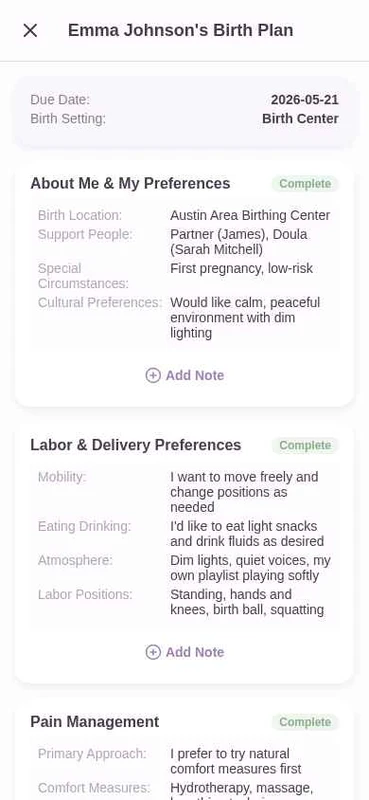
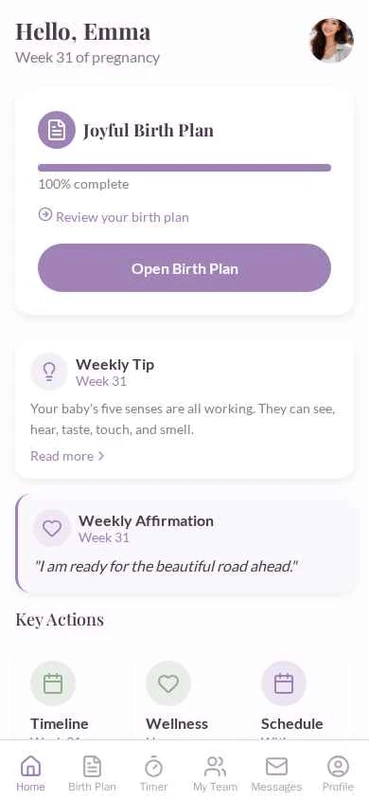
When you're ready to build your birth plan, the Joyful Birth Plan includes a postpartum section so you can think about what support you'll want in those early weeks — before you're too tired to decide. You shouldn't have to figure this out alone.
For more on postpartum support, check our postpartum doula guide.
Find Postpartum Doula Resources for Cities Near You
Written by Shelbi Kohler