November 1, 2026
How Your Maternity Care Provider Affects Breastfeeding
Did you know your choice of maternity care provider can impact your early breastfeeding rates? Here is what the research says and how to prepare.

When I had my third baby, I remember sitting in the dim light of my hospital room, completely exhausted, trying to figure out the whole breastfeeding thing. My nipples were sore, my baby was fussy, and I felt like I was fumbling in the dark. Have you ever felt that overwhelming pressure to just "get it right" immediately after birth? I know I have.
As a certified birth doula and mother of seven, I've seen this at births time and time again. Breastfeeding is natural, but it doesn't always come naturally. There are so many factors that play into how those first few feeds go. But recently, I came across some fascinating research that points to something you might not expect: the type of maternity care provider you choose during your pregnancy might actually influence your early breastfeeding rates.
Let's sit down and talk about what this means for you, your baby, and how you put together your care team.
The Big Picture: Who Cares for You Matters
A massive retrospective cohort study looked at all the women who gave birth in Victoria, Australia, over a ten-year period from 2010 to 2020. That is a huge amount of data! The researchers wanted to know if the type of maternity care provider a woman had made a difference in whether she successfully breastfed in those early days. They tracked whether women were exclusively breastfeeding, partially breastfeeding, or not breastfeeding at all when they left the hospital.
The evidence indicates that it absolutely does make a difference. The study found that models emphasizing continuity of midwifery care are generally associated with improved early breastfeeding outcomes compared to fragmented or purely obstetric-led models. In plain English? Moms who had continuous midwifery care had better early breastfeeding rates than those who saw different doctors or rotated through a clinic where they never knew who would be at their birth.
I had a client a few years ago—we'll call her Maya. With her first baby, she went to a large obstetric practice. She saw a different doctor at every visit. By the time she went into labor, she felt like just another number. After her baby was born, she struggled with breastfeeding and felt like the rotating staff didn't really know her or her goals. With her second baby, Maya switched to a midwifery practice where she saw the same midwife the whole time. She told me that because her midwife already knew her feeding goals before she even arrived at the hospital, the early support she received was completely different. Her breastfeeding journey started off so much smoother.
What this means for you: When you are deciding where to get your prenatal care, remember that this choice extends beyond just the birth. It can impact your postpartum experience, too. You might want to look into care models that offer continuity, where you see the same provider or a small team throughout your pregnancy.
What is Continuity of Midwifery Care?
You might be wondering what "continuity of midwifery care" actually looks like. It simply means that you are cared for by a known midwife (or a small group of midwives) throughout your pregnancy, during your labor and birth, and into the early postpartum period. Instead of seeing a different face at every appointment, you build a relationship with one primary care provider.
Fragmented care, on the other hand, is what happens when you see whichever doctor is on duty at your clinic. You might see Dr. Smith one month, Dr. Jones the next, and then whoever happens to be on call when you actually go into labor. While this model works for managing medical complications, the research suggests it falls short when it comes to things like early breastfeeding support. When you don't know who will catch your baby, it's hard to build the deep trust that helps you feel relaxed and supported after birth.
If you're trying to understand the difference between a midwife and a doctor, or even how a doula fits into the picture, you can check out our guide on Doula vs Midwife. Knowing the roles of each team member helps you build the best possible support system.
What this means for you: As you interview clinics or practices, ask them directly about their care model. Do they offer midwifery-led care where you see the same person? If they only offer a rotating physician model, you can decide if that aligns with your goals or if you want to look elsewhere.
Why Does Seeing the Same Provider Help Breastfeeding?
Why would seeing the same midwife make your baby latch better or your milk come in easier? It all comes down to trust, stress, and personalized education.
When you see the same provider for nine months, they get to know you. They know your fears, your goals, and your history. The study from Victoria found that this relationship pays off in the postpartum period. Evidence indicates that when a mother feels safe and supported, her stress hormones stay lower. High levels of stress can interfere with the release of oxytocin, the hormone that helps your milk let down and helps you bond with your baby. When you are laboring and recovering with a provider you know and trust, your body feels safer, which can make breastfeeding physically easier.
Plus, a midwife who has been talking with you about breastfeeding since your first trimester can tailor their education to exactly what you need. They know if you have inverted nipples, if you had a difficult time with a previous baby, or if you are planning to go back to work early. They can prepare you specifically, rather than giving you a generic handout on your way out the door.
What this means for you: Building a relationship with your care provider isn't just about having a friendly chat. It is a physical, physiological advantage for your body. Take the time to discuss your breastfeeding goals early and often with a provider who will actually be there to help you achieve them.
The Role of a Doula in Your Feeding Journey
While midwives provide your medical care, doulas provide continuous physical and emotional support. If you are wondering What Is a Doula?, think of us as your personal guides and advocates. We do not replace midwives or doctors, but we stay by your side throughout your entire labor.
I've seen this at births so many times: a mother is struggling to latch her baby in the first hour postpartum. The medical staff step out to chart, and the mom is left feeling overwhelmed. As a doula, I stay right there. I help adjust her hold, remind her to relax her shoulders, and encourage her. The Benefits of a Doula extend right into the fourth trimester, offering you continuous support that complements the medical care you receive. While the research points to midwifery care for medical outcomes, having a doula ensures you have an extra layer of continuous, non-medical support.
What this means for you: Even if your medical care is fragmented, or if you must see a rotating OB practice for medical reasons, you can still add continuity to your team by hiring a doula. We help bridge that gap so you never feel alone.
Making Your Care Choices Work for Your Budget
I know that choosing your ideal care team often comes down to one big question: how much is this going to cost? It's a valid concern. Midwifery care is often covered by insurance, but depending on where you live and whether you choose an in-hospital or out-of-hospital midwife, your out-of-pocket costs can vary.
Hiring a doula is an additional expense. If you are looking at the numbers, our Doula Cost Guide can help you understand what goes into doula fees and how to plan for them. Some insurance plans are starting to cover doula services, and many doulas offer payment plans or sliding scales to make their support accessible.
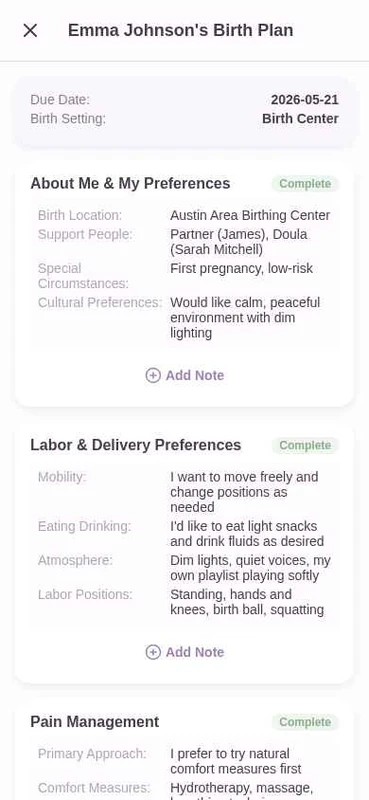
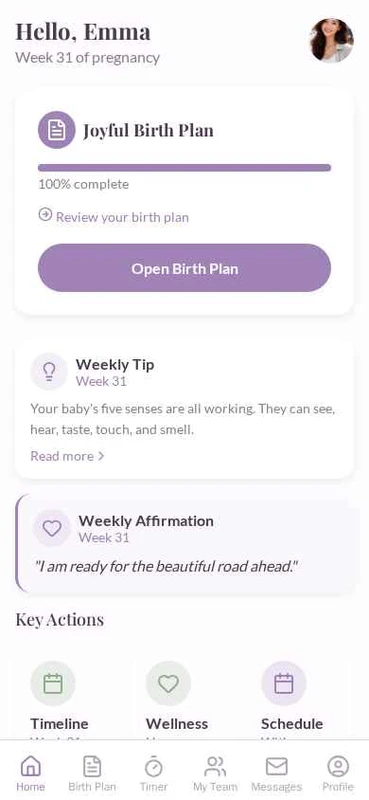
You don't have to break the bank to get the support you need. Sometimes, simply knowing your options and clearly communicating your goals can make a huge difference. Using a Free Joyful Birth Plan template is a great way to outline your breastfeeding intentions and make sure everyone on your team, from your partner to your nurse, knows what you are hoping for.
What this means for you: Do not let cost fears keep you from exploring your options. Look into what your insurance covers, ask about payment plans, and use free tools to communicate your birth and feeding preferences clearly.
Putting It All Together for Your Birth
Preparing for your baby is a lot of work. Between the physical changes and the endless decisions, it is easy to get overwhelmed. But here is the good news: you have choices. The research from Victoria, Australia, gives us a clear indication that continuity of care matters. When you see the same provider, especially a midwife, you are setting yourself up for a better start with breastfeeding.
Whether you choose a midwifery practice, an OB, or a mix of both, the key is to be intentional. Build a team that knows you, respects your goals, and will be there to support you when those first hungry cries fill the room. If you are ready to start building your team, you can Find a Doula Near You to begin interviewing potential support people today.
What this means for you: Take a deep breath. You have time to make these decisions. Start looking at your care options now, ask the hard questions, and advocate for the support you deserve.
Questions to bring to your care team
- Do you offer a model of care where I will see the same provider (or small team) throughout my pregnancy and birth?
- How do you support early breastfeeding in the first few hours after my baby is born?
- If I have a cesarean or complications, how does my feeding plan change, and who will help me?
- Can I meet with a lactation consultant before I give birth to prepare?
References
Written by Shelbi Kohler